
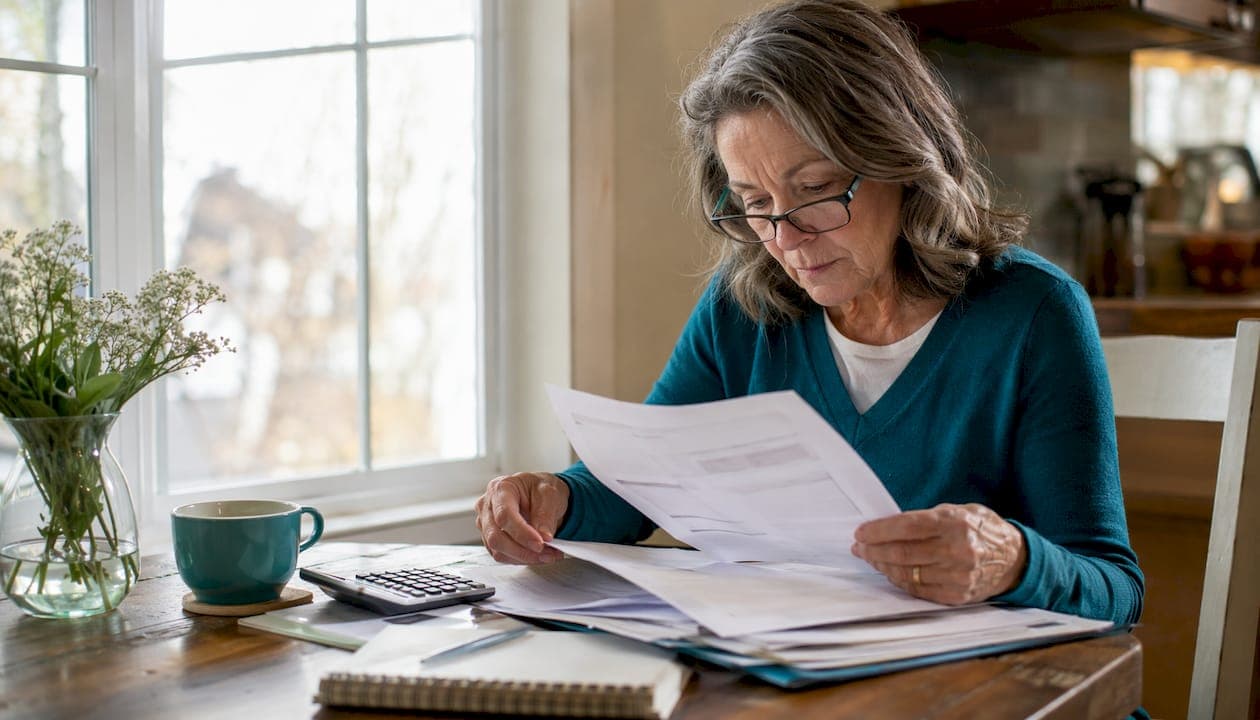
Aging alone without a spouse or children to lean on is more common than most people realize. One in five older Americans is childless, and millions more live without a nearby partner or family network. The common solo ager planning mistakes that follow aren't rare edge cases. They're the predictable gaps that show up again and again, and they tend to surface at the worst possible moment.
Here's a quick look at where things most often go wrong:
- Delaying financial planning until savings are too thin to cover care costs or housing transitions
- Skipping retirement savings reviews and underestimating how much long-term care actually costs
- Leaving legal documents incomplete or naming agents who aren't willing or able to serve
- Ignoring housing realities until a health event forces a rushed, expensive move
- Relying on informal support from friends or neighbors without any backup plan
- Setting a plan once and never updating it as health, finances, or relationships change
- Overlooking mental health and social connection as core parts of a safety plan
Each of these is fixable. The key is catching them before they become a crisis.
Table of Contents
- 1. Why financial planning is the foundation solo agers can't skip
- 2. How to evaluate housing before a health event decides for you
- 3. Legal preparations that solo agers put off at their own risk
- 4. Building a support system that actually holds up
- 5. Staying committed to a plan that grows with you
- 6. What experts say solo agers most often get wrong
- 7. Why outdated estate planning documents can undo everything
- 8. Why every solo ager needs an emergency response plan
- 9. Technology and home modifications solo agers overlook
- Key Takeaways
- FAQ
1. Why financial planning is the foundation solo agers can't skip
Money mistakes tend to compound quietly. You don't notice the gap until you need care and the funds aren't there. For solo agers, the stakes are higher because there's no second income, no spouse to cover a gap year, and no adult child to step in informally.
One of the most overlooked solo aging financial pitfalls is the tension between paying off a mortgage and keeping enough liquid cash on hand. Carrying mortgage debt can reduce the liquidity you need for unexpected in-home care, home modifications, or management fees. Being debt-free sounds like the goal, but a paid-off house with no accessible savings can leave you stuck when a $4,000 stair lift or a $6,000 emergency care month arrives.
Long-term care costs are also routinely underestimated. According to the Administration for Community Living, about 70% of people turning 65 today will need some form of long-term care. Solo agers have no unpaid family caregiver to absorb those costs, so the financial exposure is real and direct.
Common financial pitfalls to address now:
- Not contributing consistently to retirement accounts like a 401(k), IRA, or Roth IRA
- Failing to account for healthcare costs beyond Medicare coverage
- Ignoring Health Savings Accounts (HSAs), which offer triple tax advantages for qualified medical expenses
- Sharing bank account credentials informally, which is a primary cause of elder financial exploitation
- Not having a written spending plan that accounts for care scenarios at different health levels
Pro Tip: When you need financial oversight help, a licensed professional fiduciary offers bonded, accountable service with a legal audit trail. A neighbor or distant cousin with good intentions offers none of that. The difference matters enormously when your independence is on the line.
2. How to evaluate housing before a health event decides for you
Most people think about housing when something goes wrong. A fall, a diagnosis, a sudden loss of mobility. By then, the options narrow fast and the decisions get made under pressure. Solo agers who plan senior living transitions early keep far more control over what comes next.
The most common housing mistake isn't choosing the wrong option. It's not thinking about it at all until a crisis forces the issue.
| Housing Option | Key Advantage | Key Challenge | Best Fit |
|---|---|---|---|
| Aging in place | Maximum independence and familiarity | Requires modifications and support network | Solo agers with strong local connections |
| Independent living community | Built-in social life, maintenance-free | Monthly costs, less privacy | Those who want community without care services |
| Assisted living | On-site care and support | Higher cost, less autonomy | When daily assistance is needed |
| Naturally occurring retirement communities (NORCs) | Neighbors aging together, shared resources | Informal structure, varies by location | Urban solo agers with existing community ties |
Tips for making a sound housing decision:
- Walk through your current home and honestly assess what would need to change if your mobility decreased
- Research whether your neighborhood has accessible grocery stores, pharmacies, and medical offices within a reasonable distance
- Get a home modification assessment from an occupational therapist before you assume aging in place is feasible
- Explore independent living options now, even if you don't need them yet, so you know what's available and what it costs
- Talk to a senior housing advisor before a health event, not after
The goal isn't to pick a permanent answer today. It's to know your options well enough that you're not starting from zero when the moment arrives.
3. Legal preparations that solo agers put off at their own risk
Legal planning is the area where solo agers are most likely to assume they have more time than they do. The documents feel abstract until they're urgently needed, and by then, it may be too late to execute them properly.

Without a durable power of attorney and a healthcare proxy in place, hospitals and banks cannot speak with anyone but you. If you're incapacitated, that means no one can legally act on your behalf. The alternative is court-appointed guardianship, a process that is slow, expensive, and completely outside your control.
One of the most frequent legal errors is naming a sibling or distant relative as a decision-maker without ever having a real conversation about it. Experts consistently recommend verifying that your chosen agent is both willing and capable, or hiring a licensed professional to fill that role.
There's also an important distinction most people miss. Elder law attorneys focus on protecting your independence and decision-making while you're alive. Estate attorneys focus on distributing assets after death. Solo agers need both, but elder law expertise is what protects you in the years you're actually living through.
Legal checklist for solo agers:
- Durable power of attorney (financial)
- Healthcare proxy or healthcare power of attorney
- Living will or advance directive specifying your care preferences
- POLST (Physician Orders for Life-Sustaining Treatment) if applicable
- Updated beneficiary designations on all accounts and insurance policies
- A letter of instruction covering your wishes, contacts, and account locations
Pro Tip: Before you name someone as your healthcare proxy, have a direct conversation about what you'd want in specific scenarios, not just a general "I trust you." Ask them directly if they're willing to serve. Then set up your healthcare proxy with a professional who can guide you through the process correctly.
4. Building a support system that actually holds up
Here's the quiet truth about aging alone: informal support feels reliable until it isn't. A friend moves. A neighbor's own health declines. A family member who said "of course I'll help" gets overwhelmed by their own life. Without a formal, layered support system, solo agers are one unexpected event away from a gap that no one fills.
Social isolation among older adults poses serious health risks, including increased risk of cognitive decline, depression, and premature death. Solo agers face this risk more acutely because there's no built-in daily contact. The absence of connection doesn't always feel dramatic. Sometimes the quiet just gets heavier than expected.
Solo agers with multiple trusted contacts and professional care managers experience better continuity of care and lower rates of crisis-driven interventions. Building that network before you need it is what makes it real.
Strategies for building a support system that holds:
- Identify at least three people who know your situation and can be reached in an emergency
- Consider hiring a geriatric care manager, a licensed professional who coordinates medical and social care
- Join a community group, faith organization, or solo ager community that creates regular, reliable contact
- Schedule regular check-ins with your support contacts, not just crisis calls
- Don't rely on a single person for both financial and medical advocacy
Multiple trusted contacts reduce isolation and improve the odds that someone notices when something is wrong. That's not a small thing. For solo agers, it's often the difference between a manageable situation and a medical emergency.
5. Staying committed to a plan that grows with you
A plan written once and filed away isn't really a plan. It's a snapshot. Life changes, and for solo agers, those changes tend to arrive without a partner to help absorb them. Health shifts. Financial situations evolve. The friend you named as your emergency contact moves across the country.
Solo agers who delay regular plan updates often face crises not because they never planned, but because they planned once and assumed it would hold. Adaptive planning means building in regular reviews so your documents and decisions stay current.
Triggers that should prompt a plan review:
- A new diagnosis or significant change in physical function
- A major financial shift, such as retirement, a large expense, or a change in income
- The death, relocation, or health decline of someone named in your plan
- A change in housing or living situation
- Any legal change affecting your documents, such as a divorce or remarriage
Habits that keep your plan current:
- Schedule an annual review of all legal documents with your elder law attorney
- Review beneficiary designations every two to three years
- Keep a single, updated document with your key contacts, account locations, and care preferences
- Use a life care plan as a living framework rather than a one-time exercise
- Tell at least one trusted person where your documents are stored
The goal is a plan that moves with you, not one that reflects who you were five years ago.
6. What experts say solo agers most often get wrong
Failing to plan proactively is the single most dangerous mistake solo agers make, according to elder law professionals. Not because the planning itself is complicated, but because waiting until a crisis removes all the good options. Crisis-driven decisions tend to land people in nursing facilities or under court-appointed guardianship, neither of which reflects what most people would choose for themselves.
The second most common expert-identified error is choosing decision-makers carelessly. Careful vetting of proxy decision-makers prevents future refusal or incapacity to advocate. Naming someone without a real conversation, or without a professional backup, is a plan built on assumption.
Key expert insights on what goes wrong:
- Waiting for a health event to start planning eliminates the most important choices
- Naming an agent who hasn't agreed, or who lives far away, creates real gaps in advocacy
- Sharing digital banking credentials with friends is one of the most common vectors of elder financial exploitation
- Confusing estate planning with elder law planning leaves critical gaps in living protections
- Assuming Medicare covers long-term care, when it covers only limited skilled nursing after a qualifying hospital stay
Pro Tip: The time to plan is when you don't need to. Once a crisis arrives, the options narrow, the costs rise, and the decisions get made by whoever is available, not necessarily whoever you'd choose. Starting earlier is the single most protective thing you can do.
7. Why outdated estate planning documents can undo everything
Estate planning documents aren't set-it-and-forget-it. They reflect the relationships, laws, and circumstances of the moment they were signed. When those things change and the documents don't, the results can be costly, or even the opposite of what you intended.
A beneficiary designation on a retirement account or life insurance policy overrides whatever your will says. If you named an ex-partner or a deceased sibling years ago and never updated it, that's where your assets go. No exceptions.
For solo agers, the risk is compounded because there's often no spouse or child who would naturally notice the gap. The person you named as your healthcare proxy a decade ago may have moved, become ill, or simply changed their mind. Without a review, you won't know until it matters.
What to review and when:
- Beneficiary designations on retirement accounts, life insurance, and bank accounts: review every two to three years and after any major life change
- Durable power of attorney: confirm your agent is still willing, able, and reachable
- Advance directive or living will: update if your care preferences have changed or if you've been diagnosed with a new condition
- Will or trust documents: review after any change in assets, relationships, or state of residence
A simple annual calendar reminder to review these documents takes less than an hour and can prevent years of legal complications.
8. Why every solo ager needs an emergency response plan
Most people think of emergency planning as something for hurricanes or power outages. For solo agers, it's something more personal: what happens if you fall and can't reach your phone? Who checks on you if you don't respond to messages for 24 hours? Who has a key?
These aren't dramatic scenarios. They're ordinary risks that become serious without a plan.
Core elements of a solo ager emergency response plan:
- A daily check-in system: a text, a call, or an app-based check-in with at least one person who will follow up if they don't hear from you
- A key holder: at least one trusted person with a physical key to your home
- An emergency contact list: posted somewhere visible in your home, not just stored in your phone
- A medical alert device: wearable systems like those from Medical Guardian or Bay Alarm Medical allow you to call for help even if you can't reach a phone
- A communication plan for disasters: know your local emergency services, have a go-bag ready, and register with your county's special needs registry if applicable
The check-in system is often the piece people skip because it feels like an imposition. It isn't. It's the piece that gets someone to your door when it matters most.
9. Technology and home modifications solo agers overlook
Aging in place is a real option for many solo agers, but it requires honest preparation. The home you've lived in for decades may not be the home that keeps you safe at 80. Small changes made early are far less disruptive and far less expensive than emergency renovations after a fall.
Technology has also changed what's possible. Tools that once felt like medical equipment now feel like ordinary household items.
Home modifications worth considering:
- Grab bars in bathrooms (not just for people who've fallen, but to prevent falls in the first place)
- No-step entry or a ramp at the main entrance
- Lever-style door handles instead of round knobs
- Better lighting in hallways and stairwells
- A first-floor bedroom or bathroom if stairs become a concern
Technology aids that support independent living:
- Medical alert systems with fall detection (wearable or in-home)
- Smart home devices like voice-activated lights, thermostats, and door locks
- Telehealth platforms that make routine medical care accessible without leaving home
- Medication management apps or dispensers that alert you when doses are due
- Video doorbells and smart locks for security and remote access management
Understanding Medicare and assisted living coverage can also help you plan which modifications or care services might be partially covered, and which you'll need to fund independently.
The National Institute on Aging recommends talking with your doctor and an occupational therapist before making modifications, so the changes you make actually match your specific needs.
Agingsolo is built for exactly this kind of planning. Whether you're just starting to think about what aging alone really means, or you're ready to fill specific gaps in your plan, the resources at Agingsolo are designed to help you move forward with clarity and confidence.
Key Takeaways
Solo agers who plan early across financial, legal, housing, and social domains preserve far more independence and far more choice than those who wait for a crisis to force the issue.
| Point | Details |
|---|---|
| Start planning before you need to | Proactive planning preserves your preferred care choices; crisis-driven decisions narrow them fast. |
| Legal documents require real agents | Name decision-makers who have agreed to serve and are genuinely capable of advocating for you. |
| Liquidity often matters more than debt-free status | Accessible cash covers unexpected care costs; a paid-off home with no savings can leave you stuck. |
| Support systems need structure | Informal help from friends is not a plan; build a layered network with professional backup. |
| Plans must be reviewed regularly | Update legal documents, beneficiary designations, and emergency contacts after every major life change. |
FAQ
What is the 40-70 rule for aging parents?
Conversations about aging, care preferences, and planning should begin early with your support network and advisors before a health event makes them urgent.
How do you plan effectively for aging alone?
Start with four core areas: finances (savings, long-term care funding, liquidity), legal documents (power of attorney, healthcare proxy, advance directive), housing (current home assessment and future options), and support (a named network of contacts plus professional backup). Reviewing and updating these areas regularly is what makes the plan real.
What is the biggest mistake solo agers make in retirement planning?
Failing to plan proactively is the most dangerous error, according to elder law professionals. Waiting until a health crisis forces decisions eliminates the most important choices and often results in outcomes, like court-appointed guardianship or emergency nursing home placement, that most people would never choose for themselves.
What should a solo ager be doing every day to stay safe at home?
A daily check-in with at least one trusted contact, consistent medication management, and awareness of your physical environment (lighting, fall hazards, accessible exits) are the practical daily habits that matter most. A wearable medical alert device adds a reliable safety layer for moments when you can't reach a phone.
How often should solo agers update their legal documents?
Review all legal documents, including your power of attorney, healthcare proxy, advance directive, and beneficiary designations, at least every two to three years, and immediately after any significant life change such as a new diagnosis, a move, or the death or relocation of a named agent.