
TL;DR:
- Healthy aging involves maintaining physical, mental, and social well-being to extend healthspan and independence.
- Consistent exercise, strong social connections, and engaging in mentally stimulating activities promote better aging outcomes.
Healthy aging is defined as the ongoing process of maintaining physical, mental, and social well-being to extend your healthspan, the years you live free of disabling disease, rather than simply adding years to your life. The CDC and Stanford Medicine both recognize that lifestyle choices made in your 50s, 60s, and 70s directly shape how independent and capable you remain in later decades. This is not about reversing the clock. It is about giving yourself the best possible conditions to stay active, connected, and purposeful for as long as you can. For adults aging alone, that goal carries extra weight, and it is entirely within reach.
What lifestyle habits most effectively promote healthy aging?
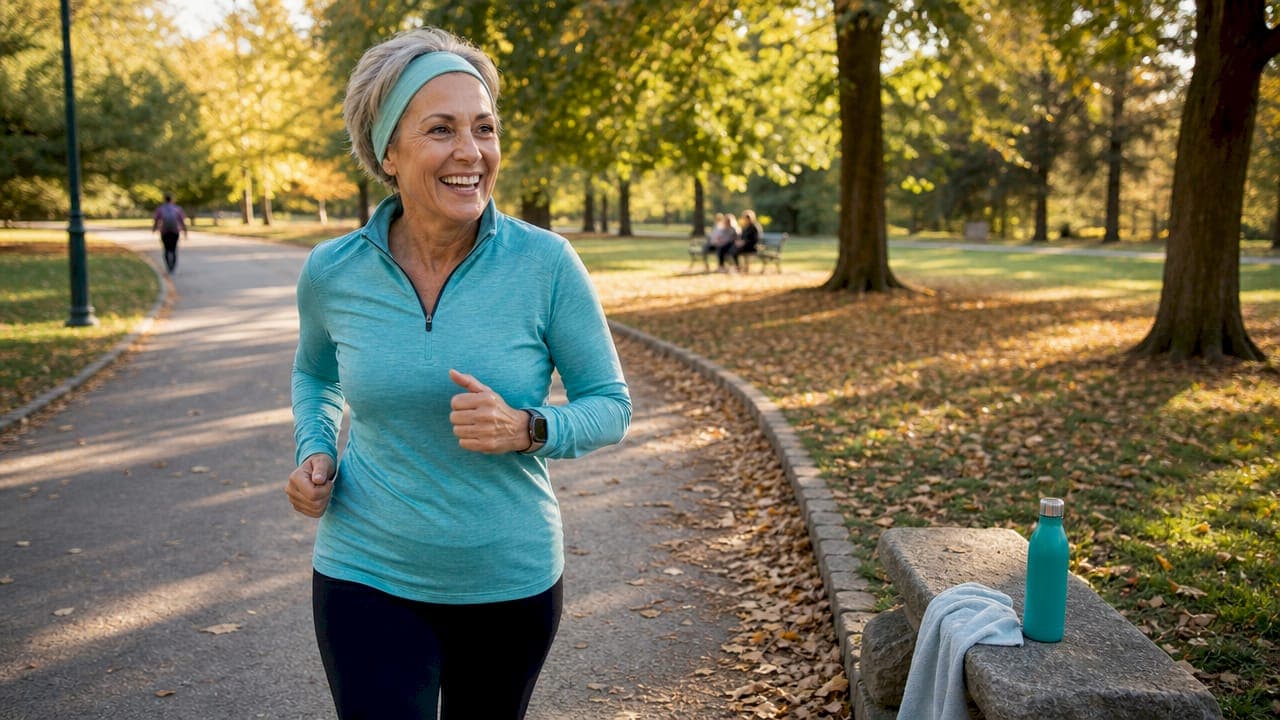
The foundation of wellness in later life is consistent physical activity. Adults 50 and older should aim for 2.5 to 5 hours of moderate-intensity exercise weekly, plus strength training for major muscle groups at least two days per week. That consistency reduces disease risk and helps you hold onto the mobility that keeps you independent.
Nutrition for seniors deserves equal attention. Protein intake of 1.0 to 1.3 grams per kilogram of body weight daily protects muscle mass and prevents frailty. For a 150-pound person, that works out to roughly 68–88 grams of protein daily, ideally spread across three meals with 20–30 grams each. A Mediterranean-style diet, rich in vegetables, legumes, fish, and olive oil, pairs well with those protein targets and supports heart and brain health simultaneously.
Mental engagement rounds out the picture. Activities like crossword puzzles, reading, and learning a new skill keep your brain challenged without adding stress. The key is variety: rotating between different types of mental tasks builds broader cognitive resilience than repeating the same activity every day.
| Activity type | Primary benefit | Frequency target |
|---|---|---|
| Brisk walking or swimming | Cardiovascular health, mood | 5 days per week |
| Resistance training | Muscle mass, bone density | 2 days per week |
| Balance exercises (yoga, tai chi) | Fall prevention, flexibility | 2–3 days per week |
| Puzzles, reading, learning | Cognitive resilience | Daily |
| Gardening, dancing | Social connection, enjoyment | As often as possible |
Pro Tip: Pick activities you genuinely enjoy. Research shows that enjoyable exercise is far more likely to become a lasting habit than workouts you dread. Gardening, dancing, and walking with a friend all count.
How does social and mental engagement impact healthspan and frailty?
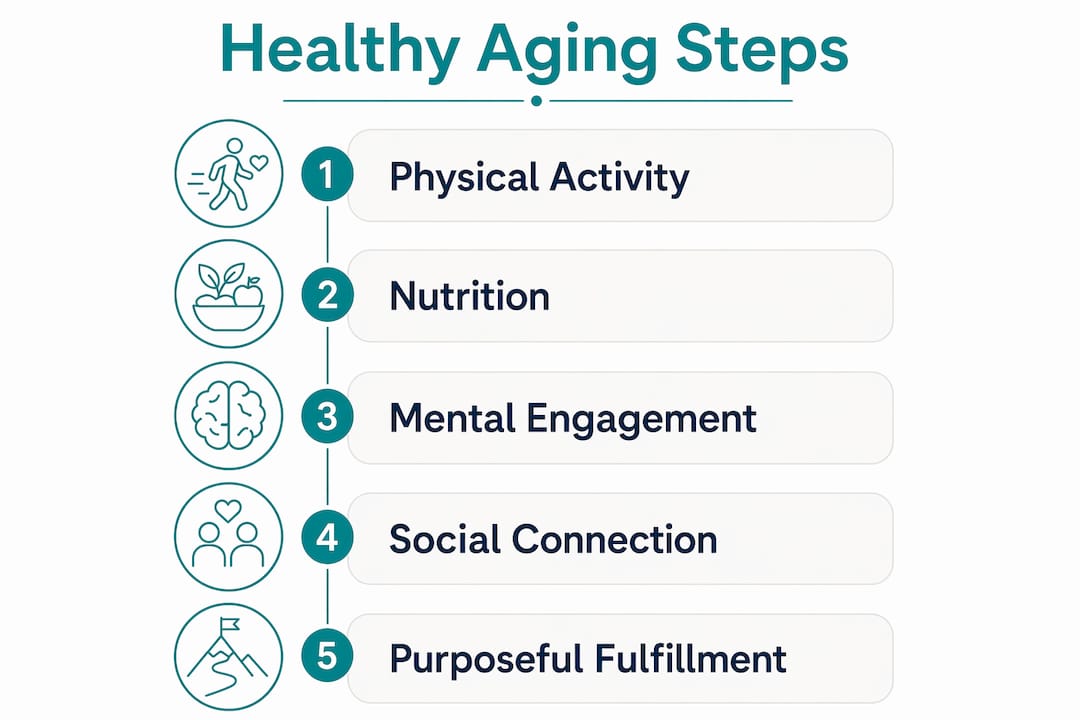
Social connection is one of the most underrated tools for aging well. Joining a social club or organization links to a 3% lower risk of frailty over seven years. Cognitive activities like puzzles reduce that risk by about 4%. Those numbers are modest individually, but combined with other habits, they add up to a meaningful difference in how you function at 80.
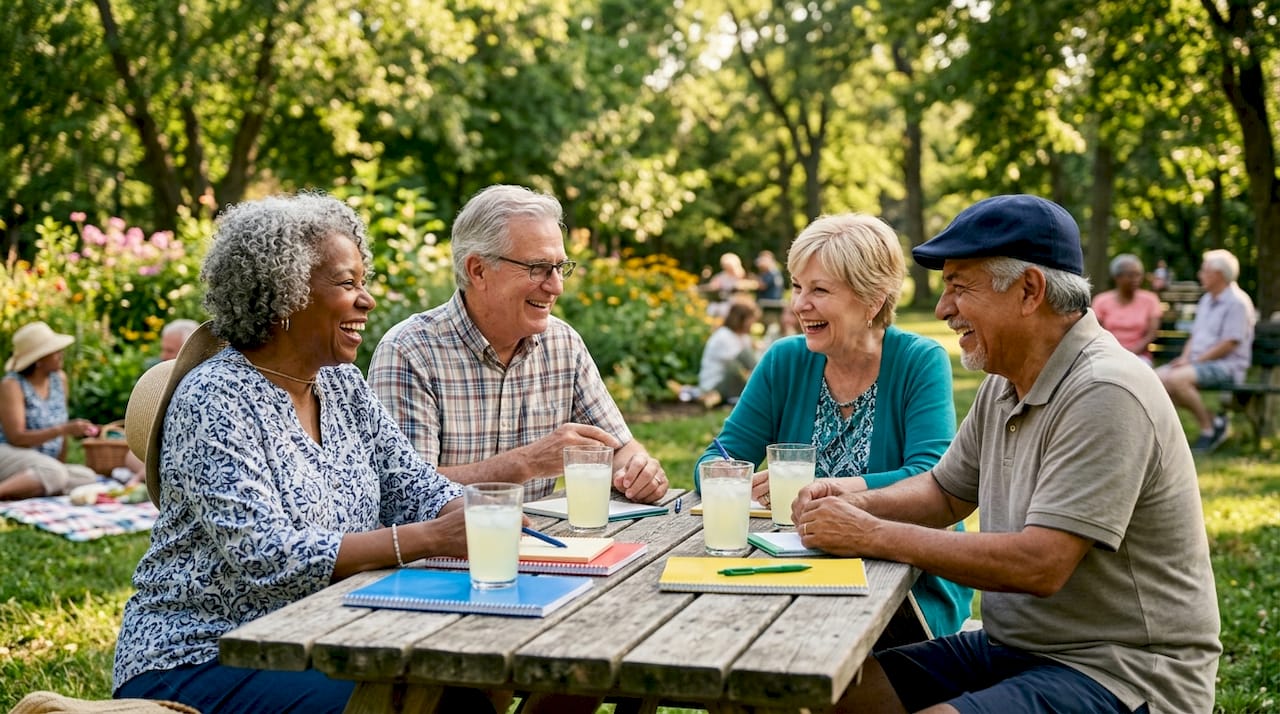
The size of your support network matters too. Having at least four close relatives or friends you can count on significantly reduces frailty risk. Scheduled, regular contact with those people is what keeps the network real and functional, not just a list of names in your phone.
Familiar, enjoyable activities like gardening or card games build cognitive resilience without the pressure of performance. They also naturally maintain social ties, which makes them doubly valuable. The UCSF Memory and Aging Center notes that these low-stress activities support brain health sustainably over time.
Here are practical ways to keep your social and mental life active:
- Join a recurring group. A book club, walking group, or faith community gives you built-in contact and accountability.
- Schedule calls, not just texts. Voice and video calls maintain deeper connection than messaging alone.
- Take a class. Community colleges and libraries often offer free or low-cost courses for adults 50 and older.
- Volunteer locally. Regular volunteering creates purpose, routine, and a reliable social circle.
- Play games with others. Bridge, chess, or trivia nights combine cognitive challenge with social engagement.
For adults staying active while aging alone, building these habits into a weekly structure is one of the most protective things you can do.
What role does fulfillment play in aging well?
The goal of aging well is not just avoiding illness. Extending healthspan means living with purpose and emotional satisfaction, not just a clean bill of health. Fulfillment, self-contentment, and a sense that your life has meaning are as important as clinical measures when it comes to sustained well-being.
One finding that surprises many people: fulfillment often dips between ages 65 and 67 during early retirement, then rises again in the 70s and 80s. That early dip is not a sign that something is wrong. It reflects a real transition. Recognizing it helps you avoid panic and focus instead on building new sources of meaning.
Pride in past accomplishments and the belief that life improves with age drive fulfillment more than financial status or physical health alone. That is a genuinely encouraging finding. It means your attitude and mindset carry real weight, regardless of what your bank account or doctor says.
Pro Tip: If you are in the 65–67 range and feeling flat, treat it as a signal to actively build new routines around purpose, not a sign that the best years are behind you. Volunteer work, mentoring, or creative projects often fill that gap effectively.
Graceful aging, as defined outside the anti-aging industry, means embracing your current life stage, maintaining your self-image, and finding meaning on your own terms. That definition is worth holding onto.
How can you practically implement these strategies day to day?
Even starting in your 60s or 70s, manageable lifestyle changes preserve independence and cognitive health. The myth that it is too late to start is simply not supported by evidence. Small, consistent actions compound over time.
Building a daily routine around the key pillars of wellness in later life does not require a complete overhaul. It requires intention and repetition. Here is a practical framework to start with:
- Move every morning. A 20-minute walk before breakfast sets a physical and mental tone for the day. It does not need to be intense to be effective.
- Eat protein at every meal. Aim for 20–30 grams at breakfast, lunch, and dinner. Eggs, Greek yogurt, fish, beans, and lean meat all work well.
- Schedule one social contact daily. A phone call, a walk with a neighbor, or a community class counts. Consistency matters more than duration.
- Challenge your brain for 15 minutes. A puzzle, a chapter of a book, or a short online course keeps your mind engaged without overwhelming your day.
- Track your health screenings. Annual checkups, blood pressure monitoring, and vision and hearing tests catch problems early, when they are easiest to address.
- Use technology intentionally. Video calling apps, medication reminder tools, and simple independence-supporting technology reduce isolation and help you stay on top of your health.
For adults maintaining independence at home, pairing these daily habits with a clear safety plan creates a genuinely solid foundation. Routine is not boring. It is protective.
Lifestyle factors like physical activity and stress management associate more strongly with quality of life in older adults than in younger ones. That means the habits you build now carry more weight than they ever did before.
Key Takeaways
Healthy aging requires consistent action across physical, social, mental, and emotional dimensions, not just the absence of disease.
| Point | Details |
|---|---|
| Exercise is non-negotiable | Aim for 2.5–5 hours of moderate activity weekly plus two days of strength training. |
| Protein protects muscle | Adults 50+ need 1.0–1.3 grams of protein per kilogram of body weight daily to prevent frailty. |
| Social networks reduce frailty | A support network of at least four people, with regular contact, measurably lowers frailty risk. |
| Fulfillment drives well-being | Pride in accomplishments and a positive outlook on aging matter as much as clinical health measures. |
| It is never too late to start | Lifestyle changes in your 60s and 70s still preserve independence and cognitive health. |
What most people miss about aging well
People spend enormous energy worrying about what aging will take away. I have found that the adults who age most gracefully spend their energy on what they are building, not what they are losing.
The fulfillment research genuinely changed how I think about this. The dip at 65–67 is real, and it catches people off guard. They retire, the structure disappears, and they interpret that flatness as decline. It is not. It is a transition. The ones who come out the other side with energy and purpose are almost always the ones who treated that period as a design problem, not a verdict.
Physical health matters, of course. But I have seen people with impressive fitness routines who are quietly miserable because they have no social anchor and no sense of why they are keeping themselves healthy. The body and the spirit need to be working toward the same goal.
The other thing most articles skip: aging alone requires a more intentional approach to all of this. When you do not have a built-in support system, you have to build one deliberately. That is not a disadvantage. It is just a different kind of planning, and it is absolutely doable.
— Mike
Planning ahead with Agingsolo
Agingsolo is built for adults who are navigating all of this without a traditional support system nearby. The guides, checklists, and tools on the site address the real, practical questions that come up when you are aging on your own terms.
If you want a clear starting point, the solo ager's independence guide covers safety, social connection, and daily living in one place. It is designed for people who want a realistic plan, not generic advice. Whether you are just starting to think about the years ahead or already deep in the planning process, Agingsolo gives you the structure to move forward with confidence.
FAQ
What is healthy aging, exactly?
Healthy aging is the process of maintaining physical, mental, and social well-being to extend your healthspan, the years lived free of disabling disease, rather than simply living longer.
How much exercise do adults over 50 actually need?
Adults 50 and older should aim for 2.5 to 5 hours of moderate-intensity activity weekly, plus strength training for major muscle groups at least two days per week.
What foods support healthy aging most effectively?
A Mediterranean-style diet combined with adequate protein, 1.0 to 1.3 grams per kilogram of body weight daily, supports muscle mass, heart health, and cognitive function in older adults.
Does social connection really affect physical health?
Yes. Joining social clubs links to a 3% lower frailty risk over seven years, and having a reliable support network of at least four people measurably reduces frailty risk.
Is it too late to start healthy habits in your 60s or 70s?
No. Stanford Medicine confirms that lifestyle changes made in your 60s and 70s still preserve independence and cognitive health, countering the myth that it is too late to benefit.
Recommended
- Retirement Lifestyle Guide for Adults 50+: Staying Active, Connected, and Independent | Aging Solo
- Older Adults Living Alone: A Practical Guide to Safe, Independent Aging | Aging Solo
- How to Live Alone Safely After 50: A Practical Guide | Aging Solo
- How to Stay Active and Independent While Aging Alone | Aging Solo