
TL;DR:
- Support for elderly living alone includes community programs, safety technology, and personal networks to maintain independence. Building these supports early proves most effective for safety and well-being, rather than waiting until a crisis occurs.
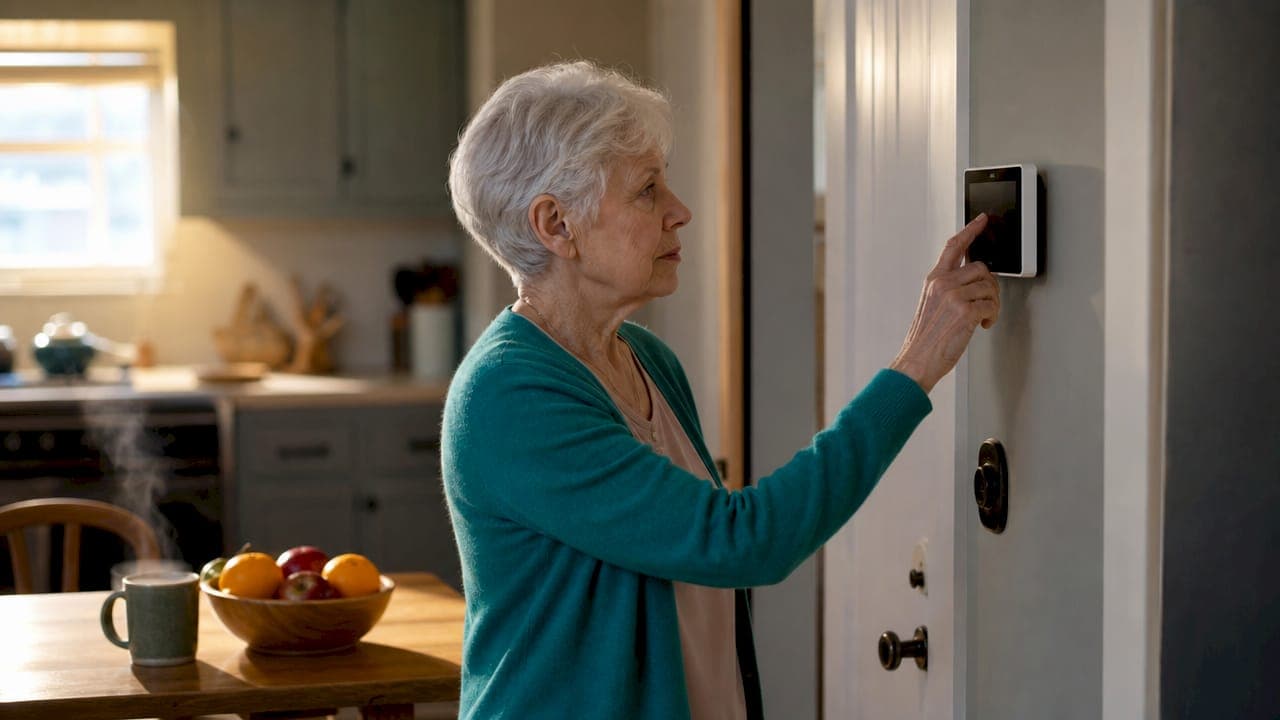
Help for elderly living alone is defined as a combination of community support programs, home safety measures, emergency technology, and personal networks that work together to keep older adults independent and secure in their own homes. Solo aging, the recognized term for growing older without a built-in support system like a spouse or nearby adult children, is far more common than most people realize. The good news is that real, practical help exists. From Meals on Wheels to personal emergency alarms to virtual village networks, the resources available today make it possible to live alone with confidence, not fear.
What community support programs are available for elderly living alone?
Community programs are the backbone of support for seniors at home. They fill the gaps that family and friends cannot always cover, and they do it consistently.
Meals on Wheels is one of the most recognized programs in the country. Volunteers deliver hot, nutritious meals directly to your door, and they also perform daily safety checks. If you do not answer the door, they contact your emergency contacts. That single visit does double duty: it feeds you and confirms you are okay.
The virtual village model takes a different approach. Neighbors organize into nonprofit groups that coordinate errands, check-in calls, and minor home repairs. You stay in your own home longer because a network of local volunteers actively supports your independence. It is community care built from the ground up, not handed down from a government office.
Other programs worth knowing about:
- Telephone reassurance programs: Trained volunteers call you regularly to check in. Missing a call triggers a wellness check from a local contact or agency.
- Friendly visitor programs: Volunteers visit in person on a scheduled basis, offering companionship for elderly adults who find the quiet feels heavier than expected.
- Area Agencies on Aging (AAA): These federally funded local offices connect you to transportation, meal programs, legal aid, and home care services for elderly adults in your zip code.
- Faith-based outreach: Many churches, synagogues, and mosques run informal check-in networks and errand assistance for older members.
Pro Tip: Call 211 from any phone in the United States to reach a local helpline that connects you to community resources, including meal delivery, transportation, and wellness check programs in your area.
How can technology improve safety and emergency response for seniors living solo?
Technology does not replace human connection, but it closes the gap during the hours when no one is nearby.
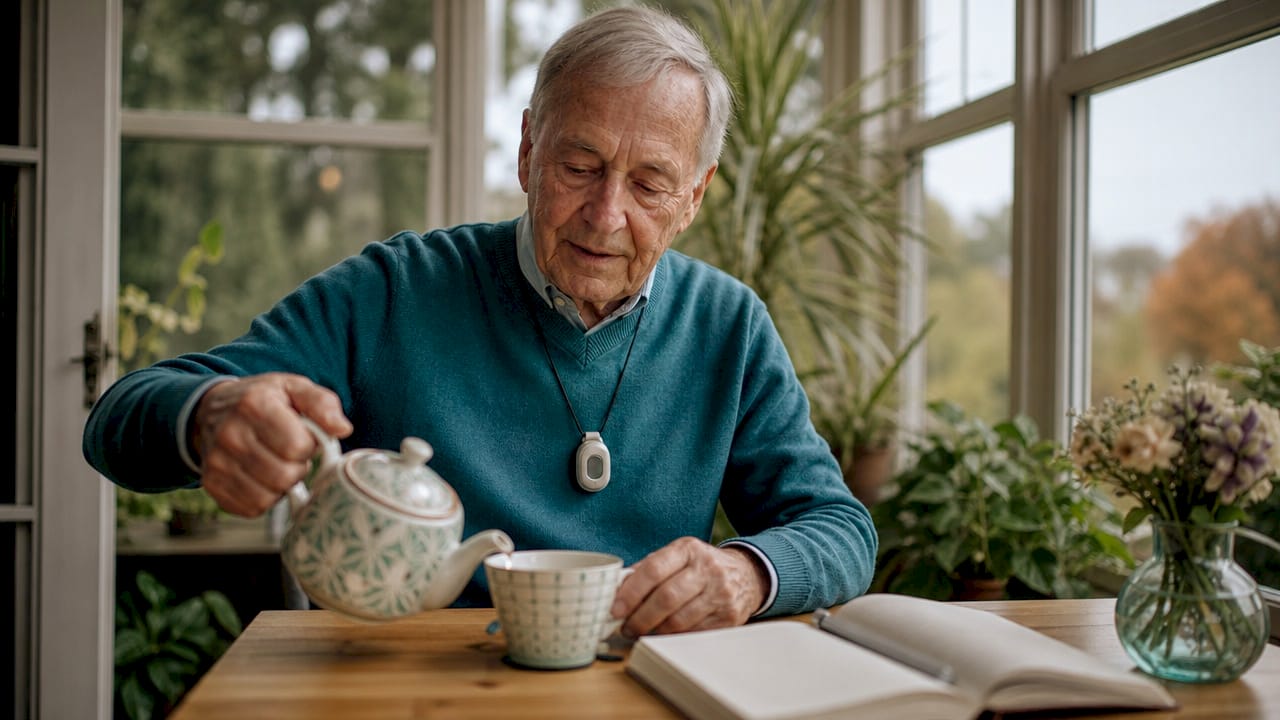
Personal emergency alarms connect you directly to a 24-hour emergency response center at the press of a button. You do not need to dial a number or remember anything. Help is dispatched immediately. That speed matters most during a fall or sudden health event, when every minute counts.
Beyond personal alarms, a few other devices make a real difference:
- Doorbell cameras: You can see and speak to anyone at your door without opening it, reducing the risk of unwanted entry.
- Smart light timers: Lights that turn on automatically at dusk reduce trip hazards and signal activity inside the home.
- Medical alert watches: Newer models detect falls automatically and send alerts without any action from you.
- Video calling apps: FaceTime, Zoom, and Google Meet keep you visually connected to family and friends, which supports both safety and mental well-being.
Falls are the leading cause of injury among older adults in the United States. A personal alarm worn consistently, not left on the nightstand, is the single most direct way to get help fast after a fall. Wearing it every day, including in the shower where falls are most common, is what makes it effective.
Pro Tip: When choosing a personal alarm, look for one with GPS capability and automatic fall detection. These features work even if you cannot press the button yourself.
Technology works best as one layer of a larger plan. No device fully replaces a reliable network of people who know you and check on you regularly.
What home modifications help elderly individuals live alone safely?
Your home can either work for you or against you. A few targeted changes make a significant difference in daily safety and confidence.
Start with the bathroom, where most falls happen. Grab bars are the right tool for the job. Proper grab bars are mounted securely into wall studs and rated to support your full body weight. Towel bars look similar but are not load-rated. Grabbing a towel bar during a slip can pull it from the wall and make a fall worse. This is one of the most common and preventable hazards in any home.
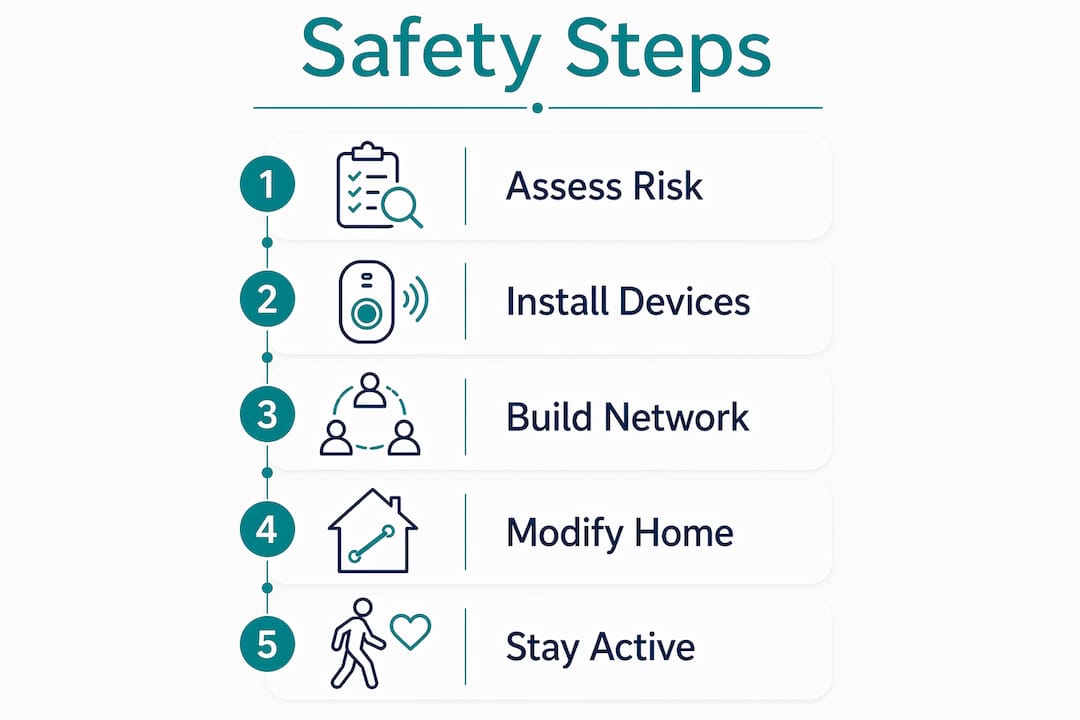
Here are the most effective home modifications, in order of impact:
- Install grab bars in the shower, beside the toilet, and at any step or threshold where you shift your weight.
- Improve lighting in hallways, staircases, and the path from your bedroom to the bathroom. Motion-activated night lights cost very little and work automatically.
- Remove trip hazards including loose rugs, electrical cords crossing walkways, and clutter on stairs.
- Add a shower chair or bench so you can bathe seated, reducing the risk of a slip while standing.
- Widen doorways or add lever-style door handles if mobility is a concern, making movement through the home easier.
Ask your doctor specifically for a medication review focused on fall risk. Many common medications, including diuretics and antidepressants, have side effects that increase dizziness and instability. A targeted medication review often leads to adjustments that reduce fall risk significantly, and most people never think to ask for it.
Pro Tip: Contact your local Area Agency on Aging to ask about home modification grants. Many states offer free or low-cost grab bar installation and safety assessments for older adults living alone.
How do you build a reliable support network when living alone?
Building a strong social network while you are still active is the most effective strategy for aging in place safely. Waiting until a crisis hits makes it much harder to build those connections quickly. The time to start is now, not later.
A reliable support network combines informal and formal layers. Informal means the people already in your life. Formal means agencies and paid professionals. Both matter.
Here is how to build each layer:
- Neighbors: Introduce yourself if you have not already. Exchange phone numbers with two or three neighbors. Ask if they would be willing to check in if they do not see you for a day or two. Most people say yes when asked directly.
- Friends and family: Establish a regular check-in schedule. A weekly phone call or text thread keeps people connected and aware of your routine.
- Local volunteer organizations: Groups like the AARP Foundation, faith communities, and senior centers offer structured companionship programs and errand assistance.
- Home care professionals: When you need more consistent help, choosing in-home caregivers with skills matched to your specific health needs makes a real difference. Be flexible as your needs change over time.
- Your doctor's office: Let your primary care provider know you live alone. Many practices have social workers or care coordinators who can connect you to local resources.
Strong social ties do more than provide safety checks. Research consistently links social connection to better physical health, sharper cognition, and longer life. Agingsolo offers a practical guide to building your support circle if you are not sure where to start.
Key Takeaways
Elderly adults living alone stay safest and most independent when they combine community programs, home modifications, emergency technology, and a reliable personal network rather than relying on any single resource.
| Point | Details |
|---|---|
| Community programs fill daily gaps | Meals on Wheels and virtual village networks provide meals, safety checks, and volunteer support. |
| Personal alarms save critical time | A wearable alarm with fall detection connects you to emergency help without dialing a number. |
| Home modifications prevent falls | Grab bars in wall studs, better lighting, and clutter removal reduce the most common injury risks. |
| Medication review reduces fall risk | Ask your doctor specifically for a fall-risk medication review to catch hidden side effects. |
| Build your network before you need it | Starting social connections while you are active makes aging in place far safer and more sustainable. |
Why planning ahead changes everything
I have worked with solo agers long enough to notice one pattern that separates those who thrive from those who struggle. It is not money. It is not health. It is timing. The people who do best are the ones who started building their network and making their home safer before anything went wrong.
Most of us wait. We tell ourselves we are fine, and we probably are. But the moment a fall happens or a health scare hits, the scramble to find help while already in crisis is exhausting and frightening. The resources described in this article work best when they are already in place.
There is also something worth saying about how you frame help. Framing safety measures as tools for staying independent, rather than signs of vulnerability, changes how you feel about using them. A grab bar is not an admission of weakness. It is what keeps you in your own home on your own terms. A personal alarm is not a surrender. It is a backup plan that lets you live more freely, not less.
The combination of technology and human connection is what actually works. Neither alone is enough. I have seen people with every device imaginable feel completely isolated, and I have seen people with almost no technology thrive because they had three good neighbors and a weekly lunch group. Build both. Aging in place is absolutely possible, and it is far less complicated than most people fear when you start with a clear plan.
— Mike
Agingsolo is built for exactly this
Agingsolo exists for adults who are growing older without a traditional built-in support system. Whether you are planning ahead or responding to a recent change, the guides and tools at Agingsolo give you a clear, calm path forward.
From safety and emergency planning to building a support circle and understanding your housing options, Agingsolo covers the practical ground that matters most. The resource library at aging alone essentials is a strong starting point if you want a full picture of what solo aging looks like and what you can do right now to feel more prepared and more confident.
FAQ
What is the best help for elderly people living alone?
The most effective help combines community programs like Meals on Wheels, a personal emergency alarm, targeted home modifications, and a reliable network of neighbors and local volunteers. No single resource covers everything, but together they create a real safety net.
How do I find support programs for seniors in my area?
Call 211 from any phone in the United States to reach a local helpline that connects you to meal delivery, transportation, wellness checks, and other home care services for elderly adults in your community.
What home changes reduce fall risk the most?
Installing load-rated grab bars in the bathroom, improving lighting in hallways and staircases, and removing loose rugs are the three changes with the greatest immediate impact on fall prevention.
How often should someone check on an elderly person living alone?
A daily check-in, whether by phone, text, or in-person visit, is the standard recommended by most senior safety programs. Telephone reassurance programs and Meals on Wheels volunteers provide this consistency for those without nearby family.
When should an elderly person living alone consider in-home care?
Consider in-home care when daily tasks like bathing, cooking, or managing medications become difficult or unsafe to handle alone. Choose caregivers whose skills match your specific health needs, and expect those needs to shift over time.