
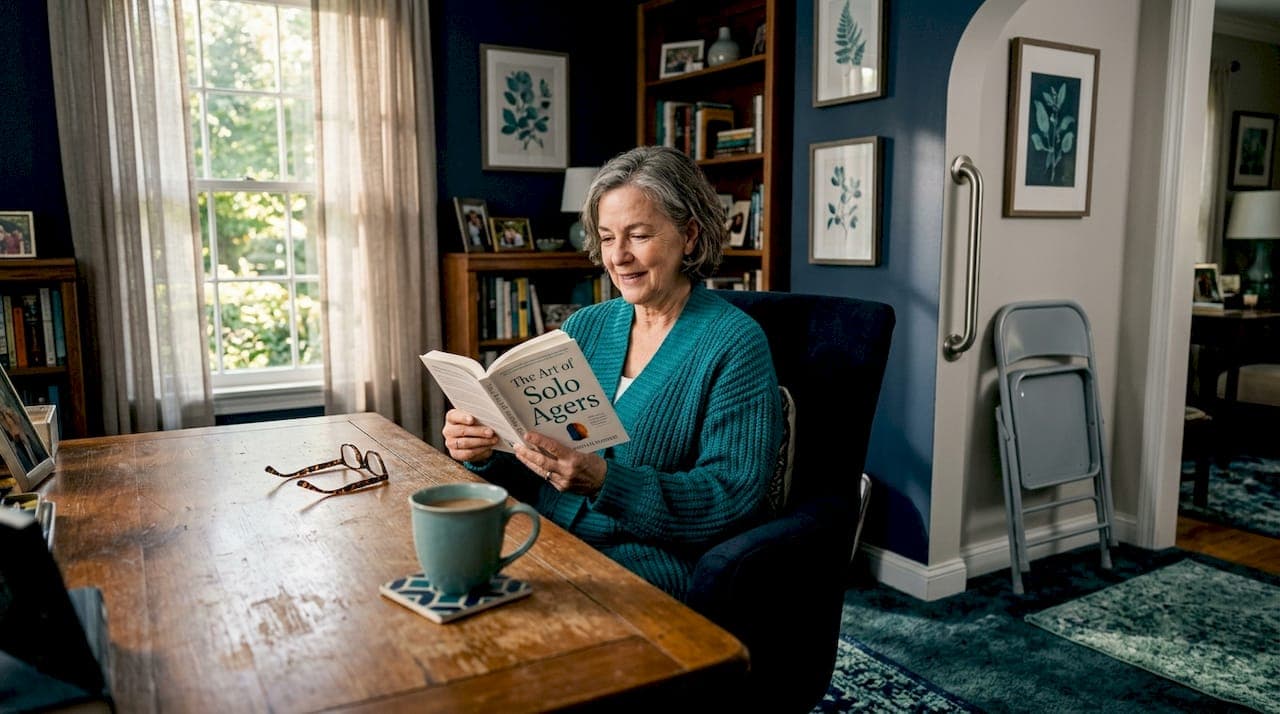
Living alone after 50 can feel like a quiet kind of freedom. But it also comes with real risks that deserve honest attention. Falls are a leading threat to older adults' ability to stay independent, and the consequences of being unprepared can be serious. The good news? These risks are manageable. With a few steady, intentional steps, you can build a home environment, daily routine, and support network that makes living alone not just possible, but genuinely secure and fulfilling. This guide walks you through exactly how to do that.
Table of Contents
- Know your biggest risks
- Prepare your home: Practical safety improvements
- Stay active and manage your health
- Build your safety net: Social connections and support
- Emergency backstops and safety verification
- What most guides miss about solo aging safety
- Next steps: Plan your safe and independent future
- Frequently asked questions
Key Takeaways
| Point | Details |
|---|---|
| Falls prevention is key | Proven home upgrades and routine risk checks dramatically reduce danger for solo agers. |
| Activity and health matter | Regular exercise and medication reviews are essential to maintaining strength, balance, and independence. |
| Social support boosts safety | Building a practical support network reduces isolation and ensures help is available in an emergency. |
| Emergency systems close gaps | Having check-ins and alert systems ensures you are never truly alone when it matters most. |
Know your biggest risks
Understanding what you're actually up against is the first step toward doing something about it. For adults living alone after 50, three categories of risk stand out: falls, unmanaged health conditions, and social isolation. Each one is serious on its own. Together, they can quietly undermine your independence.
Falls are the most immediate physical threat. Falls caused over 38,000 deaths in 2021 and nearly 3 million emergency department visits for older adults. That's not a small number. And the injuries often have ripple effects, leading to reduced mobility, fear of falling again, and a retreat from activities that keep people strong and connected. About 37% of older adults who fall report an injury serious enough to need medical care or limit their daily activities.
Beyond falls, there are subtler risks. Medications that interact poorly, chronic conditions that go unmonitored, and health events that happen without anyone nearby to help can all escalate quickly when you're on your own. These aren't reasons to panic. They're reasons to plan.
Social isolation is often underestimated. Isolation and loneliness take a measurable toll on both physical and mental health, and they increase vulnerability in ways that go beyond emotional well-being. When no one is checking on you regularly, a health emergency can go unnoticed far too long.
Here's a quick look at the three core risks and what makes each one urgent:
| Risk category | Primary concern | Why it matters for solo agers |
|---|---|---|
| Falls | Injury, immobility | No one present to help or call for aid |
| Health events | Medication errors, unmanaged conditions | Slower response without a nearby support person |
| Social isolation | Delayed help, mental health decline | Increases vulnerability across all other risk areas |
Knowing where the risks are concentrated gives you a clear starting point. Whether you're new to living alone or have been on your own for years, it's never too early or too late to take stock. If you want a broader look at what solo aging really involves, Solo Aging 101 is a good place to start.
Prepare your home: Practical safety improvements
Your home is your first line of defense. And making it safer doesn't have to be expensive or complicated. It does, however, require an honest walk-through of every room with fresh eyes.
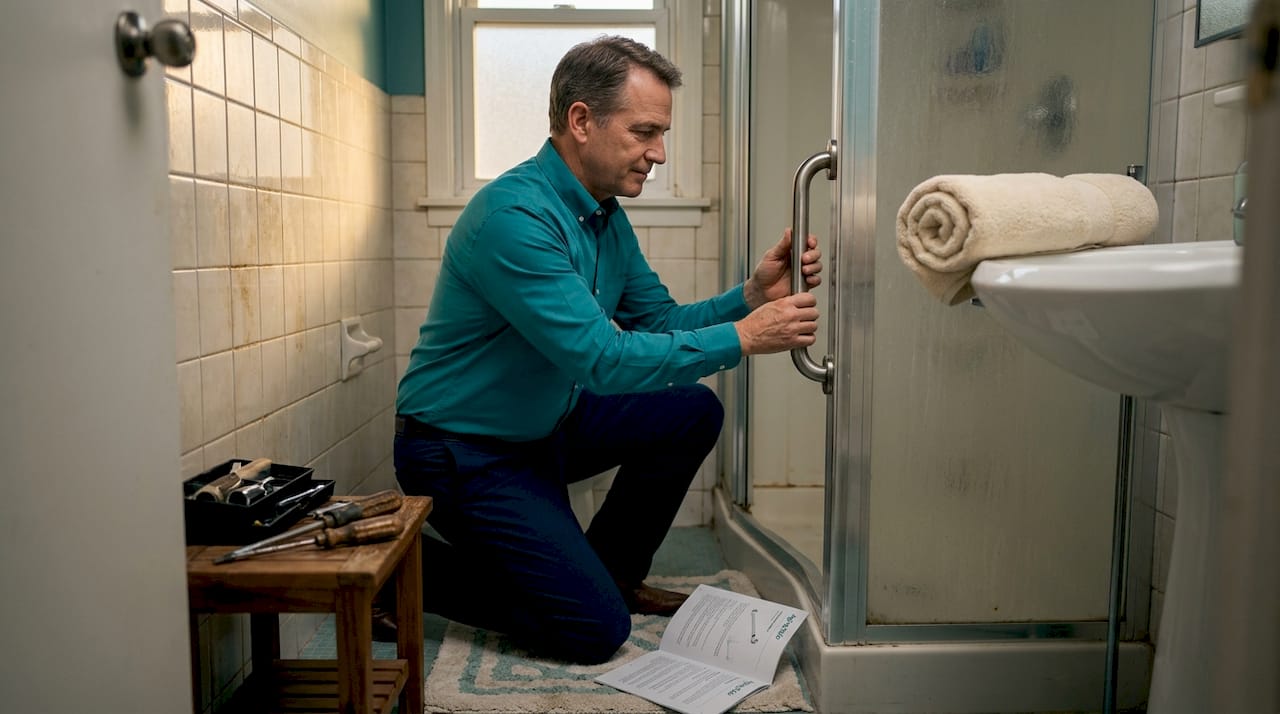
Home modifications like grab bars, non-slip mats, and brighter lighting play a critical role in preventing injuries. The bathroom is typically the highest-risk room in any home. Wet surfaces, low toilet seats, and slippery floors make it a frequent site for falls. The fix can be as simple as installing a grab bar near the toilet and shower, adding a non-slip mat, and using a shower bench if you tend to feel unsteady.
A room-by-room approach helps you catch hazards you might otherwise overlook. Here's a numbered list to walk you through it systematically:
- Bathroom: Add grab bars, non-slip mats, a handheld showerhead, and a night light near the toilet.
- Bedroom: Keep a lamp or flashlight within reach of your bed. Clear any clutter between the bed and bathroom door.
- Hallways and stairs: Install handrails on both sides of any staircase. Use night lights throughout. Secure all area rugs or remove them entirely.
- Kitchen: Store frequently used items at waist height to avoid unnecessary reaching or climbing. Use a sturdy step stool with a handle if needed.
- Living room: Secure loose cords. Rearrange furniture to create wide, clear pathways. Make sure your most-used seating has firm armrests to help you rise safely.
Pro Tip: Don't try to do everything at once. Pick the one room where you spend the most time or feel least secure, and start there. Small wins build momentum.
When it comes to DIY versus hiring a professional, both have their place. Here's a simple comparison to help you decide:
| Modification type | DIY-friendly? | Professional help recommended? |
|---|---|---|
| Non-slip mats, rearranging furniture | Yes | Not required |
| Installing grab bars in tile | Sometimes | Yes, for secure anchoring |
| Stair handrails, ramp installation | No | Yes |
| Lighting upgrades, plug-in night lights | Yes | Not required |
For a thorough look at every room, this full home safety guide covers specifics in more depth. You can also explore home safety resources curated specifically for solo agers.
Remember: Small hazards don't stay small. A loose rug ignored today could be the reason you're in an emergency room next month. Take it seriously now, before a problem forces you to.
Stay active and manage your health
A safer home helps. But your body matters just as much as your environment. Regular physical activity is one of the most effective things you can do to prevent falls, maintain strength, and protect your independence.
Exercise and medication review are two of the most effective strategies for reducing falls and staying independent. Aim for at least 150 minutes of moderate activity per week, which breaks down to about 30 minutes on five days. This doesn't have to mean the gym. Walking, water aerobics, yoga, and tai chi all count and can significantly improve balance and coordination.
Beyond exercise, there are four specific health habits that make a real difference for solo agers:
- Schedule a medication review. Talk to your doctor or pharmacist about every medication you take, including over-the-counter drugs. Some combinations cause dizziness, low blood pressure, or confusion that raises your fall risk. This review could genuinely change your daily experience.
- Get a fall-risk screening. A Falls Free CheckUp can help you understand your own risk factors and what to address first. Your healthcare provider can also do a formal assessment.
- Monitor chronic conditions actively. Whether it's blood pressure, blood sugar, or something else, staying on top of your numbers means fewer surprises.
- Stay consistent. Small, steady routines outperform ambitious bursts. A 20-minute walk every morning does more for your long-term stability than a major fitness push you abandon in two weeks.
Pro Tip: Pair one health habit with something you already do. Put your medication review on the calendar with your annual checkup. Walk right after your morning coffee. The habit sticks when it's attached to something that already exists.
If you're thinking further ahead, life care planning can help you map out your health and support needs before a crisis makes the decisions for you. And if travel is part of your life, our travel safety checklist is worth bookmarking.
Build your safety net: Social connections and support
Here's a truth that can feel a little uncomfortable: no safety modification or fitness routine replaces the security of having real people in your life who notice when something is wrong.
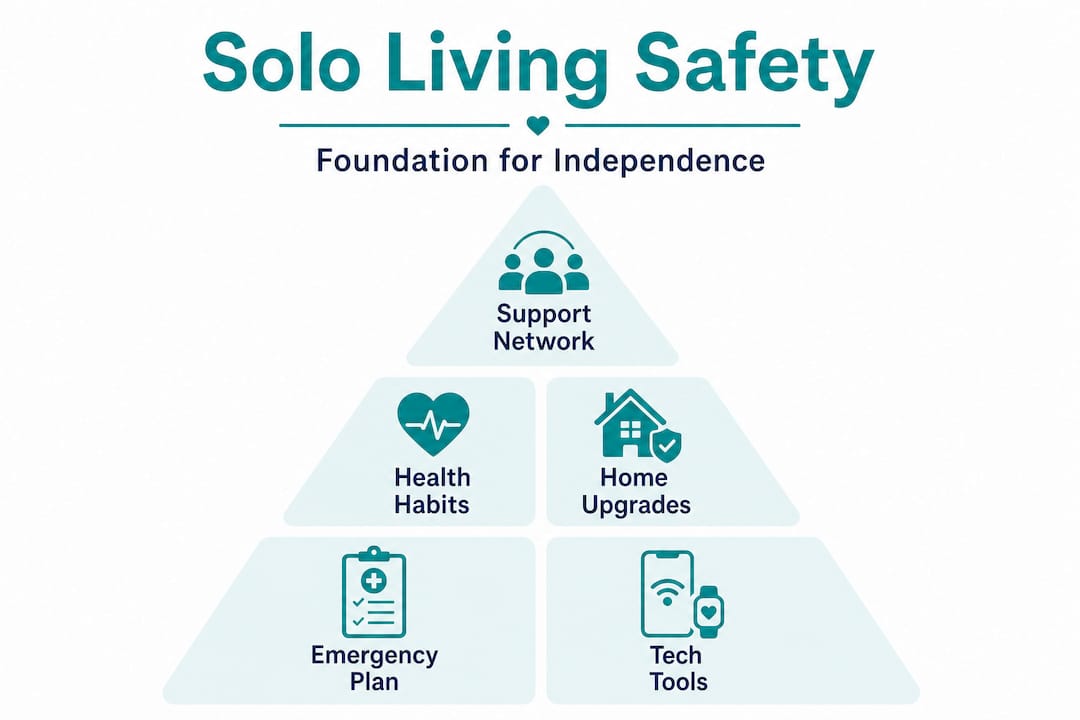
Building a support network is essential for both safety and independence, and it's especially important for solo agers who don't have a spouse, partner, or nearby family member as a built-in check-in system. The good news is that a support network doesn't have to look like a family. It just has to be functional.
Social isolation damages physical and mental health and increases safety risks across the board. Regular contact with others isn't just pleasant. It's protective.
Here are the kinds of connections that form the strongest safety nets:
- A nearby neighbor who knows your routine and would notice if your lights never came on or your mail piled up
- A weekly check-in friend you talk to by phone or video at a set time each week
- A local senior center or community group that provides scheduled, reliable social contact
- A faith community, hobby club, or volunteer group where your regular presence is expected
- Professional support services such as home care aides, geriatric care managers, or adult day programs for times when you need structured help
- A digital check-in tool or app that alerts a designated contact if you don't respond
Not sure how to start these conversations? You don't need a script. Saying something like "I'd love to check in with each other weekly" is enough. Most people appreciate the honesty. And many are quietly hoping someone will ask first.
For a step-by-step approach to building your circle, visit building your support circle. You can also explore supportive home services designed for people who want to stay independent with a little reliable backup.
A note on connection: You don't need a large network. You need a reliable one. Even two or three people who genuinely check on you regularly can make the difference between a scary situation and one that gets handled quickly.
Browse the resource center for solo agers for additional tools for building and maintaining your network.
Emergency backstops and safety verification
Even with the best habits and the warmest support circle, life can surprise you. That's why every solo ager needs at least one reliable system for summoning help and one person who will notice quickly if something is wrong.
Having someone to check on you and systems to call for help completes a practical safety plan. Here's how to set yours up in four deliberate steps:
- Choose an emergency alert system. Personal medical alert devices, worn as a pendant or wristband, allow you to call for help with one button press. Many modern options include fall detection and GPS tracking. They're worth every penny.
- Set up a daily check-in routine. This can be as simple as texting a friend each morning. If they don't hear from you by noon, they try to reach you, and by a set time, they escalate. Write down the protocol so everyone knows what "no response" triggers.
- Share your emergency contacts and health information. Keep a card in your wallet and a list on your fridge with your emergency contacts, medications, and any critical medical details. First responders and neighbors both benefit from having this.
- Review your plan twice a year. Safety plans go stale. Your health, your neighbors, and your routines change. Put a calendar reminder in spring and fall to revisit everything.
Pro Tip: Do a practice run of your emergency plan with a neighbor or friend. Walk through the steps out loud. You'll often catch gaps you didn't notice on paper.
For formal documentation of your emergency preferences, our emergency directive tools help you put your wishes in writing clearly. You can also review emergency alert practices for a more detailed framework.
What most guides miss about solo aging safety
Here's an honest observation after supporting solo agers through real planning conversations: most safety guides focus on grab bars and alert buttons, as if the physical environment is the whole story. It isn't.
The people who feel truly secure living alone have something else working for them. They've built social resilience. They've learned to ask for help before they need it urgently. They've adopted technology not just as a backup plan, but as a daily layer of support. And they've made peace with the fact that being independent doesn't mean being isolated.
Smart home sensors, voice-activated assistants, medication reminder apps, and video calling are not just conveniences. They're real safety tools. A sensor that detects if you haven't opened your refrigerator by a certain time, for example, is a quiet but powerful check-in system. These technologies are accessible, increasingly affordable, and genuinely useful.
The harder truth is this: a checklist without a community behind it provides a false sense of security. You can have every grab bar in place and still be in serious trouble if no one would notice you were missing for three days. Social connection isn't a soft add-on to your safety plan. It's the foundation of it.
Starting small is fine. Reaching out to one neighbor this week is enough. It counts. What matters is starting your solo aging plan now, before a situation forces you to start scrambling.
The goal isn't perfection. It's a plan that actually works when you need it to.
Next steps: Plan your safe and independent future
Knowing what to do and having the right tools to do it are two different things. Aging Solo exists to close that gap for you.
Whether you're ready to write a practical life care plan that maps out your future support needs, looking for guidance on maintaining independence alone as your needs evolve, or simply want to build more connection into your daily life, we have resources designed with solo agers in mind. A great place to start is our 30-day connection plan, which gives you a gentle, step-by-step framework for building your support circle without it feeling overwhelming. You don't have to figure this out alone. That's exactly why Aging Solo is here.
Frequently asked questions
What are the simplest home modifications to start with if I'm living alone?
Start with grab bars in bathrooms, non-slip mats, brighter bulbs or night lights, and removing tripping hazards like cords and loose rugs. Grab bars and better lighting reduce fall risk significantly and are among the most affordable changes you can make.
How does social isolation impact my safety?
Social isolation and loneliness compromise both physical and mental health and can delay emergency care if no one is checking on you regularly. It's not just an emotional concern. It's a direct safety issue.
What is a fall-risk screening and where can I get one?
A fall-risk screening checks your likelihood of falling based on your health history, medications, and physical condition. You can access the Falls Free CheckUp through the CDC's website or ask your healthcare provider for an in-person assessment.
Can technology help keep me safe living alone?
Yes, devices like medical alert systems, smart sensors, and daily check-in apps offer genuine peace of mind and faster emergency response, often without requiring anyone else to actively monitor you around the clock.
How can I build a support network if I don't have family nearby?
Building a support network starts with identifying one or two nearby people who could be consistent contacts, then gradually expanding through community groups, senior centers, or professional services. Even small, reliable connections form a strong foundation.