

TL;DR:
- Life after retirement involves deliberate planning to balance social engagement, health, finances, and meaningful activities. It emphasizes purpose over leisure and encourages retirees to design their days around personal contribution and fulfillment.
- Creating regular social connections and adjusting budgets for an active lifestyle help retirees maintain well-being and financial stability over time.
Life after retirement is the intentional design of a daily life that balances social engagement, health, financial security, and meaningful activities. It is not simply the end of a career. It is the beginning of a chapter you get to write yourself. For adults 50 and older, that chapter can be deeply fulfilling, but it takes real planning. The quiet that follows your last day of work can feel heavier than expected. This guide walks you through the four core areas that shape a satisfying post-retirement life: social connection, financial planning, daily routine, and the flexibility to adapt as life shifts.
What does life after retirement actually look like?
Life after retirement is defined by purpose, not by leisure alone. Retirement lifestyle planning centers on identity and purposeful daily rhythms, not just financial security. That distinction matters. Many people spend decades planning their finances for retirement but give almost no thought to how they will spend a Tuesday afternoon.
The most satisfied retirees treat this phase as a design project. They ask: What do I want my days to feel like? Who do I want to spend time with? What gives me a sense of contribution? These are not soft questions. They are the foundation of long-term well-being.
Nearly half of American workers now anticipate a phased retirement approach, easing the transition and preserving both income and social ties. That number reflects a growing awareness that a hard stop from full-time work can be psychologically jarring. Phased retirement softens that landing by keeping you connected to structure and purpose while you build new rhythms.
How can you build meaningful social connections after retirement?
Social connection is not a bonus feature of a good retirement. It is a core requirement. Isolation accelerates cognitive decline and reduces life satisfaction in measurable ways. The good news is that community engagement is a skill you can build deliberately.
The most effective approach is creating a weekly social rhythm, not waiting for connection to happen organically. Here is what that looks like in practice:
- Join a recurring group. A weekly book club, a walking group, or a community garden gives you a standing reason to show up and see the same people.
- Volunteer with intention. Choose a cause that connects to something you already care about. Volunteering in retirement works best when it feels like contribution, not obligation.
- Use technology as a bridge. Video calls, group chats, and online communities extend your social reach beyond geography. This matters especially if you live alone.
- Schedule check-ins. A standing weekly call with a friend or family member creates accountability and warmth without requiring a big event.
- Say yes to new things. Community classes, faith communities, and neighborhood associations all offer low-pressure ways to meet people with shared interests.
Retirees with phased retirement models report smoother psychological transitions and sustained social networks. The lesson is clear: the more you preserve existing connections while building new ones, the less likely you are to feel isolated.
Pro Tip: Set a minimum of three social interactions per week. They do not need to be long or elaborate. A coffee, a phone call, and a group class count. Consistency matters more than intensity.
What financial planning adjustments support an active retirement?
Financial planning after retirement is not a one-time event. It is an ongoing practice that needs to reflect how you actually want to live. Many retirees underestimate leisure costs, which leads to financial stress that could have been avoided with better planning upfront.
Active retirees need a 15% higher budget than less active peers to cover travel, hobbies, and social activities. That gap is significant. If your retirement income plan was built around a quiet, stay-at-home lifestyle but your actual life involves travel after retirement, regular dining out, and fitness classes, your numbers will not hold.
| Spending category | Why it matters for active retirees |
|---|---|
| Travel and experiences | Costs rise with frequency; budget per trip, not per year |
| Hobbies and classes | Equipment, memberships, and materials add up quickly |
| Social activities | Dining, events, and gifts are easy to underestimate |
| Healthcare | Active living reduces some costs but increases others |
| Emergency reserves | Solo agers need a larger cushion without family backup |
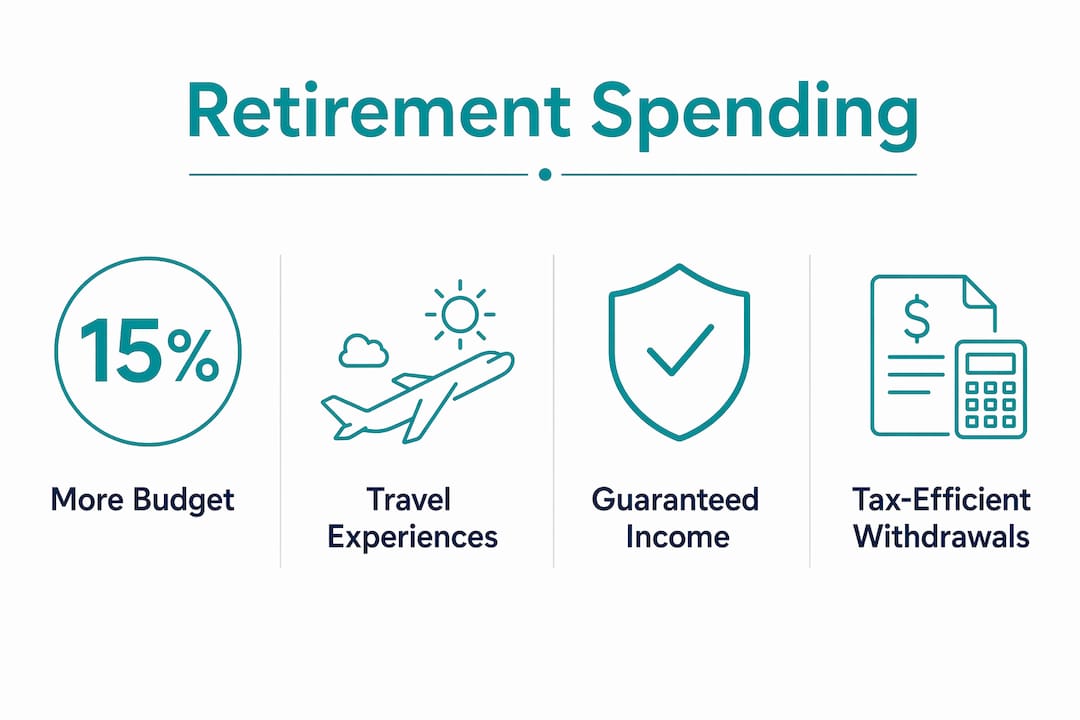
Guaranteed income sources like pensions foster more stable spending patterns and greater financial confidence. If you have a pension or annuity, build your budget around that floor first, then layer in withdrawals from savings for discretionary spending. This approach reduces anxiety about market swings.
Tax-efficient withdrawal strategies also matter. Drawing from taxable accounts first, then tax-deferred accounts like a traditional IRA, and finally tax-free accounts like a Roth IRA, can extend the life of your savings meaningfully. A fee-only financial planner can help you sequence withdrawals based on your specific situation.
Pro Tip: Review your retirement budget every january. Compare what you planned to spend against what you actually spent. Adjust the next year's plan based on real data, not assumptions.
How can you create a weekly routine that supports health and growth?
The most successful retirees maintain a balanced weekly routine built on three pillars: physical activity, social interaction, and personal growth. That structure does not happen by accident. It requires the same intentionality you once brought to your work schedule.
Here is a practical framework for building that rhythm:
- Physical activity, three to five days per week. Walking, swimming, yoga, and strength training all qualify. The goal is consistency, not intensity. Thirty minutes of moderate movement most days protects cardiovascular health, bone density, and mood.
- Social engagement, at least three times per week. This can overlap with physical activity. A group fitness class or a walking partner counts on both dimensions.
- Cognitive engagement, daily. Continued learning may slow age-related decline and preserve mental health during retirement. Reading, puzzles, language apps, and online courses all work. The key is choosing something that genuinely interests you.
- Creative or personal pursuits, two to three times per week. Painting, woodworking, writing, gardening, and cooking all provide a sense of accomplishment that work once supplied.
- Rest and reflection, built in. Unscheduled time is not wasted time. It is recovery. Retirees who overschedule often burn out just as quickly as those who underplan.
"Retirement routines must be intentional but flexible. Rigid schedules can undermine well-being if they feel forced rather than chosen." — Retirement Lifestyle Planning
The psychological shift away from a career identity is real and often underestimated. Your job title gave you a ready answer to "What do you do?" Retirement removes that answer. Replacing it takes time and experimentation. Give yourself permission to try things that do not work before you find the ones that do.
The honeymoon phase of retirement often fades quickly. Sustainable contentment comes from volunteering, mentoring, or community involvement, not from extended leisure alone. Plan for that shift before the novelty wears off.
What strategies help you adapt your retirement lifestyle over time?
Retirement is not a fixed destination. It is a living arrangement that needs regular review. Your health, interests, finances, and relationships will all shift over the years. The retirees who thrive are the ones who stay curious and stay willing to adjust.
A few strategies that support long-term adaptability:
- Review your plan annually. Set aside time each year to look at your finances, your health goals, and your social life. Ask what is working and what is not. Small adjustments made early prevent large problems later.
- Stay open to new interests. The hobby you loved at 62 may not hold the same appeal at 72. That is normal. Keep sampling new activities rather than forcing yourself to stick with ones that no longer fit.
- Build a support network with intention. For solo agers, this is especially critical. Without a spouse or nearby adult children, you need a deliberate circle of friends, neighbors, and professionals who can step in when you need help.
- Plan for health changes proactively. Staying active and independent while aging alone requires forward thinking. Consider your housing, your transportation options, and your access to healthcare before a crisis forces the decision.
- Keep your legal and financial documents current. A will, a healthcare proxy, and a durable power of attorney are not just for people in poor health. They are tools for anyone who wants their wishes respected.
Intentional rhythms replace work structure for mental well-being when the career chapter closes. The goal is not to replicate the busyness of work. It is to build a life that feels full on your own terms.
Key takeaways
A fulfilling life after retirement requires intentional planning across four areas: social connection, financial alignment, daily routine, and the flexibility to adapt as circumstances change.
| Point | Details |
|---|---|
| Social connection is non-negotiable | Build a weekly rhythm of at least three social interactions to protect mental health. |
| Budget for how you actually live | Active retirees need roughly 15% more than less active peers; adjust your plan accordingly. |
| Three pillars support well-being | Physical activity, social engagement, and personal growth form the foundation of a satisfying routine. |
| Phased retirement eases the shift | Nearly half of American workers plan a phased exit; it smooths both finances and identity transition. |
| Review and adapt every year | Retirement is not static; annual check-ins on finances, health, and social goals keep your plan current. |
What I have learned watching people navigate this chapter
I have spent a lot of time talking with adults in their 50s, 60s, and 70s about what retirement actually feels like versus what they expected. The gap is almost always the same. People plan for the money and forget to plan for the Monday morning.
The ones who struggle most are not the ones with the smallest savings. They are the ones who had no answer to the question: "What am I for now?" Work gave them structure, identity, and daily human contact. Retirement removed all three at once. That is a significant loss, and it deserves to be treated as one.
The ones who thrive share a common trait. They replaced the structure of work with something chosen rather than something inherited. Not a rigid schedule, but a rhythm. A Tuesday morning walk with a friend. A thursday afternoon class. A volunteer shift that actually matters to them. Small, consistent anchors that give the week shape without making it feel like a job.
I also think the financial conversation needs to be more honest about lifestyle costs. The retirement leisure spending gap is real, and most people discover it too late. If you want to travel, take classes, and stay socially active, plan for that budget now. Do not assume a quieter life and then live an active one.
For solo agers especially, the planning has to go deeper. Without a built-in support system, every decision about housing, health, and social connection carries more weight. That is not a reason to feel anxious. It is a reason to plan earlier and more carefully than most people do.
— Mike
Planning your next chapter with Agingsolo
Agingsolo is built for adults who are doing this without a traditional support system nearby. Whether you are newly retired or still a few years out, the resources here are designed to help you think through the parts of retirement planning that most guides skip.

From solo aging guides that address housing, safety, and social connection, to practical tools for building your support circle, Agingsolo covers the ground that matters most when you are aging on your own terms. You can also find a full retirement planning guide for solo agers that walks through financial, health, and lifestyle decisions in plain language. The goal is clarity, not complexity. Start with what feels most pressing and build from there.
FAQ
What is the biggest challenge in life after retirement?
The most common challenge is replacing the structure, identity, and social contact that work provided. Financial planning matters, but the psychological shift is often harder and less expected.
How much more should active retirees budget?
Active retirees should budget roughly 15% more than less active peers to cover travel, hobbies, and social activities, according to retirement leisure spending research.
What are the best post-retirement activities for staying sharp?
Continued learning through classes, reading, and creative pursuits supports cognitive health. Volunteering and mentoring also provide purpose and social engagement that sustain long-term well-being.
How do solo agers plan for retirement without family support?
Solo agers need a deliberate support network of friends, neighbors, and professionals, along with current legal documents and proactive housing and healthcare planning. Agingsolo offers specific guides for this situation.
What is phased retirement and why does it help?
Phased retirement means gradually reducing work hours rather than stopping all at once. It preserves income, social ties, and daily structure during the transition, making the psychological adjustment significantly smoother.