
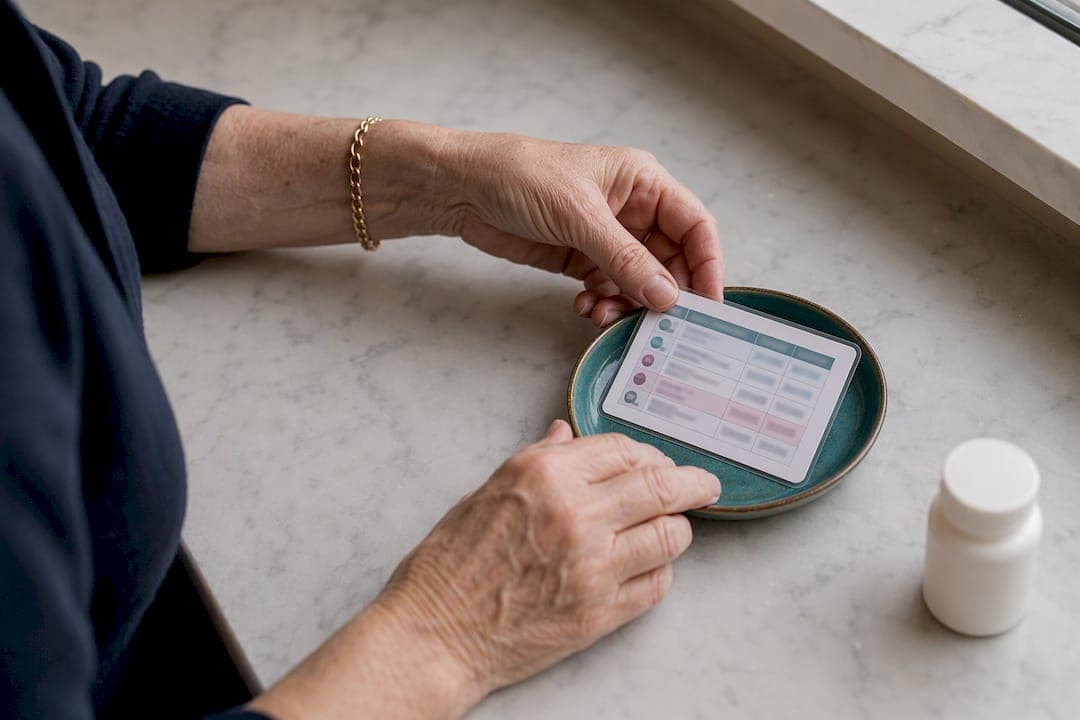
The fastest way to get a medication list card is to download and print a free, fillable template today, or buy a durable pre-made wallet card if you'd rather skip the printing step entirely. Both paths work. The right one depends on how often your medications change.
- Download a free template from a government or hospital source, fill it out on your computer or by hand, and fold it to wallet size.
- Buy a pre-made card if you want something sturdier than paper and your medication list doesn't change much month to month.
Pro Tip: If you take five or more medications, or your doctor adjusts doses often, stick with a printable template. You can update and reprint it in minutes, which beats scratching out entries on a laminated card.
Key Takeaways
An accurate, current medication list card reduces medical risk because it lets any clinician instantly see your full drug history, allergies, and dosing without relying on memory.
| Point | Details |
|---|---|
| Choose your format first | Pick a free printable template for changing lists or a durable pre-made card for stable ones. |
| Include the full picture | List prescriptions, OTC drugs, supplements, patches, and inhalers, not just pills. |
| Update immediately, not eventually | Reprint or revise the card the moment a medication starts, stops, or changes. |
| Keep a photo backup | A phone photo of your current card protects you if the physical copy is lost. |
| Aging Solo offers related planning tools | Aging Solo's Health & Emergency Planning guide pairs medication tracking with broader emergency readiness for solo agers. |
Table of Contents
- Where to Find a Free Medication List Card Template
- What Should Go on Your Medication List Card?
- How Do You Carry, Share, and Update the Card?
- Printable Templates vs. Pre-Made Wallet Cards: Which One Fits You?
- How to Make Your Own Wallet-Sized Medication Card
- What Should You Look for When Buying a Wallet Medication Card?
- What Should You Never Put on a Medication List Card?
- Why Keeping the Card Current Actually Reduces Risk
- Aging Solo Perspective: Why This Card Matters More When You're on Your Own
- Pair Your Medication Card With a Full Safety Plan
- Sources
- FAQ
Where to Find a Free Medication List Card Template
You don't need to design one from scratch. Several federal agencies and universities already built templates that clinicians recognize and trust, which means you can skip the guesswork and just fill in your information.
The AHRQ Medicine Wallet Card is built specifically for folding into a wallet. It includes columns for medicine name and strength, color, purpose, the date you started it, dosing instructions, and a "do not take with" field for known interactions. It's compact by design.
AHRQ also publishes a companion resource called My Medicines List, available as a fillable Word document or PDF. This one is meant for a full page rather than a wallet fold, so it works better as your master copy at home.
The CDC's MyMedications List PDF asks you to record every prescription, over-the-counter drug, vitamin, supplement, and herbal product, and it includes a dedicated section for medications you stopped taking because of allergies or side effects.
For a hands-on example, UW–Madison's Med Wise Rx program offers a blank medication chart alongside a filled-out sample, so you can see exactly how a completed one should look before you start your own. The Blue Ridge Poison Center's pocket tracker is foldable and printable, and it's one of the few templates built with actual pocket carry in mind rather than a binder or folder.
Print any of these on cardstock rather than regular paper. Cardstock holds up to folding, wallet friction, and the occasional coffee spill far better than standard printer paper.
What Should Go on Your Medication List Card?
A useful card answers two questions fast: who is this person, and what happens if something goes wrong with their medications? Start with identification, then build out the medication details.
Identification fields:
- Full name and date of birth
- Emergency contact name and phone number
- Primary doctor's name and phone number
- Pharmacy name and phone number
Medication fields, for each drug:
- Medication name (generic name plus brand name if that's what you know it by)
- Strength and form (tablet, patch, inhaler, liquid)
- Dose and how often you take it
- Time of day you take it
- Reason you're taking it
- Date you started it
- Known allergies or adverse reactions
Don't stop at pills. Patches, inhalers, eye drops, and daily supplements matter just as much to a clinician reviewing your card, and they're the items people most often forget to mention in a rushed conversation.
Here's what one completed line looks like: Metformin (Glucophage), 500 mg tablet, twice daily with meals, for type 2 diabetes, started March 2024, no known reactions.
Pro Tip: Use generic drug names, not just brand names, since pharmacists and ER staff often think in generic terms first. Keep abbreviations consistent (like "BID" for twice daily) so anyone reading your card understands it at a glance.
How Do You Carry, Share, and Update the Card?
Keep it somewhere you'll actually have it: your wallet, your purse, or taped inside a medicine cabinet if it's a home reference copy. A card that lives in a kitchen drawer doesn't help you in an ER waiting room.
- Update immediately any time a medication starts, stops, or changes dose. Don't wait for a "good time" to redo the card.
- Print a fresh copy and discard the old one. AHRQ's own guidance for its My Medicines List is explicit about this: reprint after any change rather than crossing things out.
- Tell a caregiver or trusted contact about the update, especially if they're the one who'd speak for you in an emergency.
Show the card at every appointment, not just the ones that feel medication-related. Dentists, physical therapists, and specialists all need to know what you're taking, and so does every ER team that's never seen you before.
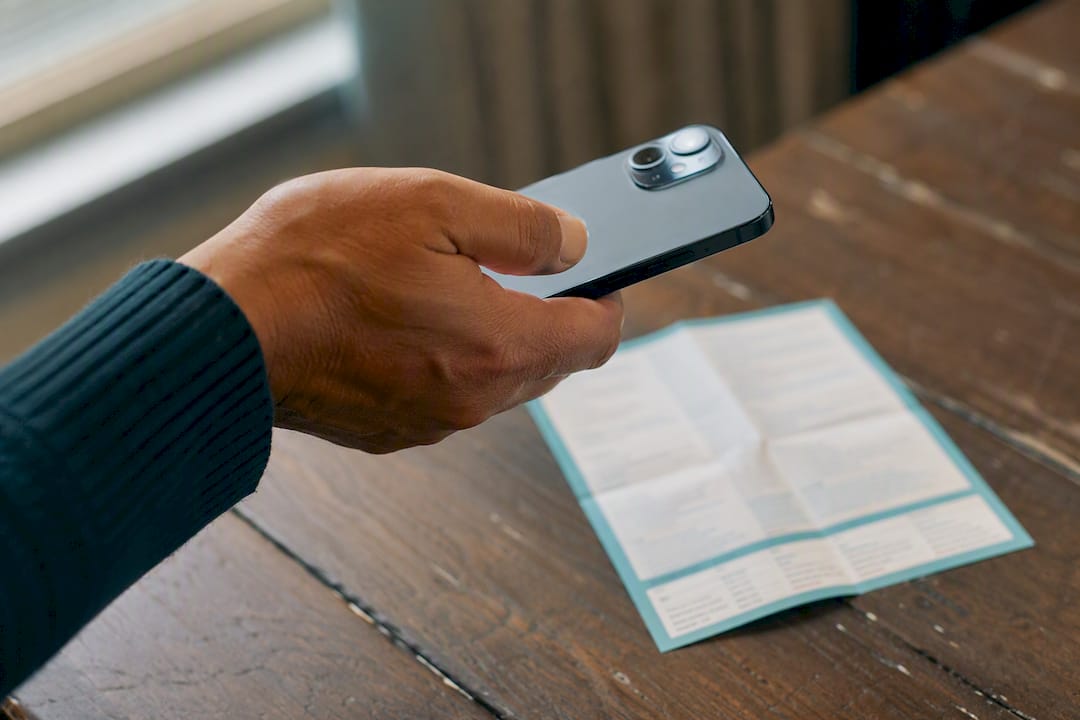
Pro Tip: Snap a clear photo of your card with your phone the moment you finish updating it. That photo becomes an instant backup if the physical card gets lost or left at home, and you can pull it up on your phone in the waiting room.
Printable Templates vs. Pre-Made Wallet Cards: Which One Fits You?
Neither option is universally better. It comes down to how often your medication list changes and how much durability you need.
Printable templates cost nothing, and you can customize every field to match your actual medications. The tradeoff is durability. Paper wears out fast in a wallet, even on cardstock, and you'll need to reprint every time something changes. Foldable, credit-card-size templates printed on cardstock tend to hold up best for daily carry, striking a workable balance between space and toughness.
Pre-made wallet cards, usually laminated or made of rigid plastic, survive years of pocket wear without falling apart. Some are writable with a fine-tip marker, so you can jot quick updates without buying a new card. Others are single-use and meant to be replaced when your list changes.
Before buying one, check for:
- Durability: laminated cardstock versus rigid plastic versus a flexible sleeve
- Writable surface: can you actually update it, or is it locked in once printed?
- Number of fields: does it hold enough medications for your actual list?
- Pack size and cost: buying a multi-pack means you always have a fresh one ready
- Readability: is the print size manageable, or does it demand a magnifying glass?
If you take several medications and your prescriptions shift often, a printable template you can reprint on demand usually beats a locked-in plastic card. If your list has stayed steady for a year or more, a laminated card built to survive daily wear is worth the small cost.
How to Make Your Own Wallet-Sized Medication Card
Building your own card takes about fifteen minutes once you have your medication details ready.
- Start with a template or build a simple table with columns for medication name, strength, dose, frequency, and reason. Add a header section for your name, date of birth, and emergency contact.
- Format it to wallet size. A standard credit card is 3.375 by 2.125 inches. Design your card at that size, or use a template like AHRQ's that's already built to fold down to pocket dimensions. Printing both sides doubles your available space for a longer medication list.
- Print on cardstock, not regular paper, and set your printer to "actual size" rather than "fit to page" so the dimensions come out right. Two-sided printing works if your template supports it.
- Finish it for durability. Trim the edges cleanly, laminate it at a print shop or with a home laminator, and consider punching a small hole in one corner if you want to attach it to a keyring.
Here's a mini example of a completed line: Lisinopril 10 mg, one tablet daily in the morning, for blood pressure, started June 2025.
Before you finalize anything, run a printing checklist: confirm your cut lines are visible, do a test print on plain paper first to check spacing, and fold the test copy to make sure nothing important lands on a crease.
Pro Tip: Use pencil on your wallet copy rather than pen. Medication changes happen more often than most people expect, and a pencil lets you erase and update without waiting for a reprint.
If your medication list runs long, keep a full-page master list at home using something like UW–Madison's medication chart, and carry a condensed version in your wallet with just the essentials for emergencies.
What Should You Look for When Buying a Wallet Medication Card?
If printing and laminating isn't something you want to deal with, pre-made cards come in a few common formats. Single credit-card-size laminated cards are the simplest, usually with pre-printed fields you fill in with a marker. Writable plastic cards work similarly but are built to be reused as your list changes. Multi-panel foldable cards give you more surface area for longer medication lists, and some combine a medication tracker with general emergency ID information on the flip side.
When you're shopping, pay attention to:
- Material: laminated cardstock scratches less than plain paper but won't survive as long as rigid plastic
- Writable surface: confirm whether it takes pen, pencil, or only fine-tip marker
- Number of medication lines: some cards hold only four or five entries, which won't work for a longer list
- Pack quantity: a pack of several cards means you always have a backup ready to fill out
- Return policy: useful if the print size turns out too small to read comfortably
These cards are widely available through online marketplaces and major retailers. Compare listings on the criteria above rather than picking based on price alone. A card too small to hold your full medication list isn't a bargain.
What Should You Never Put on a Medication List Card?
A medication card should give an ER nurse or new doctor what they need in ten seconds. It shouldn't double as a document a stranger could use to steal your identity.
- Skip your full Social Security number and any bank or financial account details entirely.
- Limit personal identifiers to your name, date of birth, and one emergency contact. That's enough for identification without exposing more than necessary.
- Consider a QR code linking to a password-protected digital record if you want clinicians to access a fuller history without printing everything on a small card.
- Keep detailed history for your clinician's portal, not your wallet. Share the deeper details through a secure patient portal or directly with your doctor.
For backups, use an encrypted note app, a password-protected photo folder, or a copy trusted to one caregiver, rather than emailing your full list to yourself in plain text.
Why Keeping the Card Current Actually Reduces Risk
This isn't paperwork for its own sake. The FDA's guidance on medication lists frames it as a clinical safety tool, not just a personal memory aid. Doctors and pharmacists use your list to catch dangerous drug interactions before they happen, especially when you're seeing more than one provider who might not otherwise know what the others prescribed.
"Carrying a list of all the medicines you take may save your life," notes the Blue Ridge Poison Center's pocket tracker guidance, which underscores why an accurate, current list matters more than a perfectly formatted one.
Medication lists also help clinicians flag drugs that raise fall risk or affect safety-sensitive activities like driving, a detail that matters most for older adults managing several prescriptions at once.
- Interactions between prescriptions from different doctors get caught before they cause harm.
- Fall and driving risks tied to specific medications get flagged early.
- Emergency staff can act fast without waiting on you to recall every drug name and dose from memory.
Aging Solo Perspective: Why This Card Matters More When You're on Your Own
When there's no spouse or adult child nearby to speak up for you in an emergency, your medication card becomes your voice. It's one of the simplest tools for staying independent while still having a safety net in place.
If you're aging alone, share a digital copy with one trusted contact and keep a full master list at home, so someone else can step in if you ever can't speak for yourself.
Pair Your Medication Card With a Full Safety Plan
A medication list card solves one piece of the puzzle. It doesn't answer who gets called if you fall, where your important documents live, or who checks in on you after a hospital stay. That's the gap Agingsolo's planning resources are built to close.
Agingsolo's Compassionate Clearinghouse gathers downloadable checklists and planning guides that pair naturally with a medication card, covering home safety, emergency contacts, and the kind of documentation a caregiver or first responder would need if you couldn't explain things yourself. If you want something more personal than a checklist, Agingsolo also offers a 45 minute Zoom clarity session where you can walk through your specific situation and leave with a realistic plan instead of a stack of downloads. Start by visiting the Compassionate Clearinghouse to see which checklist fits your situation first.
This article is general information, not a substitute for advice from a qualified doctor. Consult a qualified healthcare professional about your own circumstances before acting on anything here.
Sources
- Medicine Wallet Card | Agency for Healthcare Research and Quality
- MyMedications List | CDC
- Medication List and Medication Chart (with example) – Med Wise Rx Home Practice – UW–Madison
- Pocket-Sized Medicine Tracker - Blue Ridge Poison Center
FAQ
Where do I get a medication list?
You can build one yourself using a free government template, ask your pharmacy for a printed summary of your current prescriptions, or request one through your doctor's patient portal. Combining a pharmacy printout with your own notes on OTC drugs and supplements gives the most complete picture.
How do I make a medication card?
Choose a template with fields for your name, emergency contact, and medication details, then format it to credit-card size for wallet carry. Print it on cardstock, fill it in with pencil so you can update it easily, and consider laminating it for durability.
What should I do if my medication list changes often?
Stick with a printable template rather than a locked-in plastic card, and reprint your wallet copy immediately after any change rather than crossing out old entries. Keep a full-page master list at home for reference between updates.
Does Aging Solo offer medication tracking tools?
Aging Solo doesn't publish its own medication card template, but its health and emergency planning guide covers how to store, share, and update medical information as part of a broader safety plan for solo agers.