
TL;DR:
- Daily habits like regular movement, proper nutrition, home safety modifications, mental activities, and social connections help adults over 50 age safely and independently. Solo agers benefit from simple, consistent routines such as walking, strength exercises, balanced eating, securing hazards, and maintaining social routines. Using free resources like medication reviews and practical tools supports their health and safety over time.
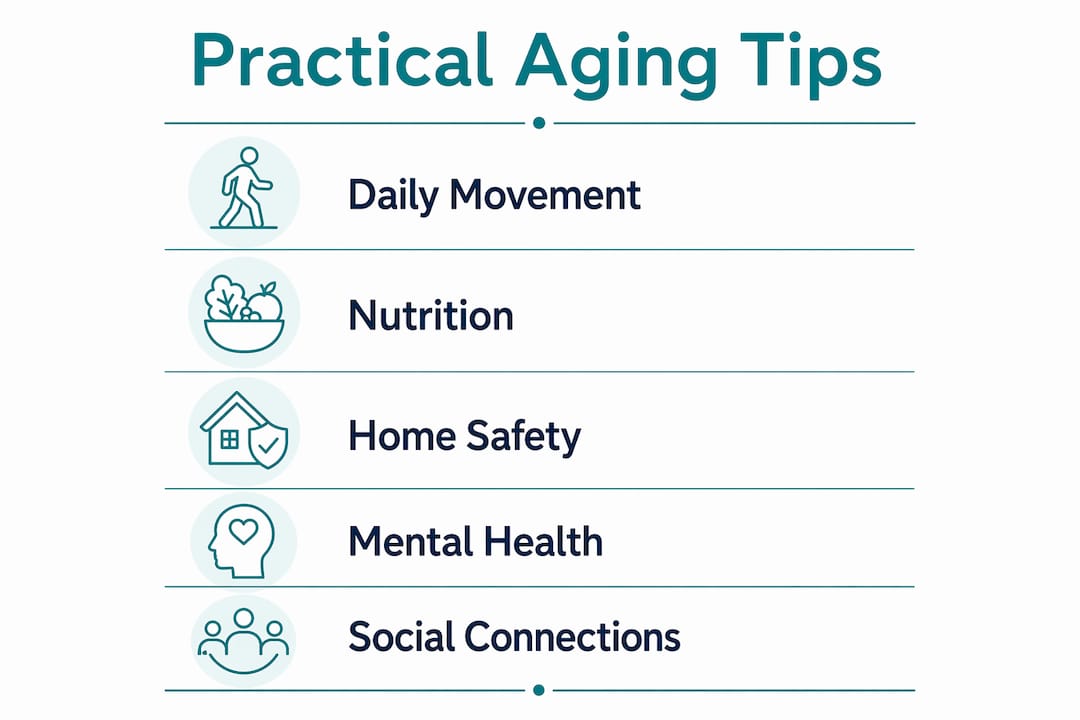
Practical aging tips are daily habits and strategies that help adults over 50 stay safe, healthy, and independent at home. For solo agers — people growing older without a nearby spouse, partner, or adult children — these strategies are not optional extras. They are the foundation of a good life. The right approach covers five core areas: physical activity, nutrition, home safety, mental well-being, and social connection. Agingsolo exists to help you build that foundation with calm, clear, real-world guidance designed specifically for people aging alone.
How can physical activity improve safe and independent aging?
Physical activity is the single most effective tool for aging well. Cardiologist Dr. Eric Topol describes it as the most powerful medical intervention known for healthy aging. That is a strong claim, and the evidence backs it up.
The U.S. guidelines are clear. Older adults need 150 minutes of aerobic activity weekly plus muscle-strengthening exercises at least two days a week. That works out to about 30 minutes of movement five days a week, which is very achievable even for those starting from scratch.
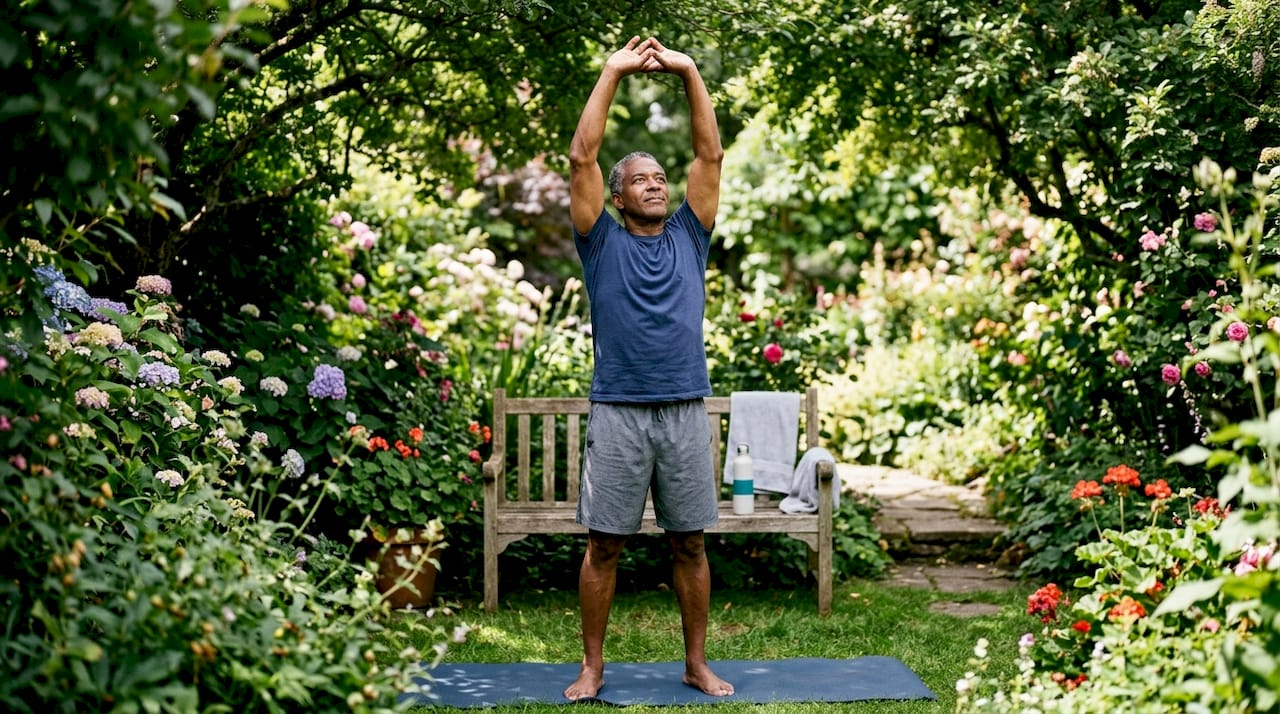
For solo agers, the best activities are ones you can do safely at home without a partner or gym:
- Walking. A 30-minute daily walk builds cardiovascular health and improves mood. Start with 10-minute blocks if needed.
- Chair squats. Stand up from a chair and sit back down slowly, 10 times in a row. This builds leg strength and protects your knees.
- Resistance bands. Inexpensive and easy to store, bands build upper body and core strength without heavy equipment.
- Single-leg stands. Hold a counter with one hand and lift one foot slightly off the floor for 10 seconds. Balance exercises like this improve gait control and directly reduce fall risk.
Regular exercise also protects your brain. Movement increases blood flow to the brain and supports memory and focus. For solo agers, that cognitive edge matters as much as physical strength.
Pro Tip: Start with just 10 minutes a day and add five minutes each week. Consistency over time matters far more than intensity at the start.
What nutritional strategies support healthy aging for adults living alone?
Good nutrition is the quiet engine behind everything else. Without it, even the best exercise routine loses its effect. For adults over 50, two nutrients deserve special attention: protein and fiber.
Healthy older adults need 1.0–1.3 grams of protein per kilogram of body weight daily to maintain muscle mass. For a 150-pound person, that means roughly 68–88 grams of protein per day. Most people eating a standard American diet fall short of this target, especially when cooking for one.
Simple, high-protein meals for solo agers include:
- Greek yogurt with berries (17–20 grams of protein per cup)
- Canned salmon or tuna on whole-grain crackers
- Eggs scrambled with spinach and cheese
- Lentil soup made in a large batch and frozen in portions
- Cottage cheese with sliced fruit as a snack
A Mediterranean-style eating pattern, rich in vegetables, legumes, olive oil, and fish, supports both brain health and heart health. Hydration matters just as much. Thirst signals weaken with age, so drinking water on a schedule rather than waiting to feel thirsty is a reliable fix.
| Nutrient | Daily target | Easy source |
|---|---|---|
| Protein | 1.0–1.3 g per kg body weight | Eggs, Greek yogurt, canned fish |
| Fiber | 21–25 g | Oats, lentils, vegetables |
| Water | 6–8 cups minimum | Water, herbal tea, broth |
Pro Tip: Batch cook on Sundays. Make a large pot of soup, a grain salad, and hard-boiled eggs. You eat well all week with almost no daily effort.
Which home safety modifications are practical for reducing fall risks?
Falls are the leading cause of injury for adults over 65, and most happen at home. The good news is that the most effective fixes cost very little and take under an hour to put in place.
The most common hazards are loose rugs, poor lighting in hallways and bathrooms, and slippery floors near the shower or tub. Each one is fixable without a contractor.
Start with these changes:
- Secure every rug with double-sided tape or non-slip backing. A rug that slides even slightly is a serious risk.
- Add non-slip adhesive strips to the shower floor and any slippery tile. These simple measures directly reduce fall risk and cost under $10.
- Install grab bars next to the toilet and inside the shower. These are not just for people who have already fallen. They prevent the fall in the first place.
- Clear all pathways. Remove furniture, cords, and clutter from the routes you walk most at night, especially between the bedroom and bathroom.
- Use pool noodles cut lengthwise to cushion sharp table corners and bed frames. This sounds unusual, but it works well and costs almost nothing.
| Area | Hazard | Fix |
|---|---|---|
| Bathroom | Slippery floor | Non-slip strips, grab bars |
| Living room | Loose rugs | Double-sided tape or non-slip backing |
| Hallways | Poor lighting | Motion-sensor night lights |
| Kitchen | Cluttered floor | Clear pathways, remove extra furniture |
Pro Tip: Walk through your home at night with the lights off. Whatever you bump into or nearly trip over is your priority list.
How do mental health and social connections contribute to quality aging solo?
Mental sharpness and emotional well-being are not separate from physical health. They are deeply connected. Social engagement reduces inflammation and supports both brain and heart health. For solo agers, staying connected takes deliberate effort, but the payoff is real.
The quiet of living alone can feel heavier on some days than others. That is normal. The solution is not to wait until you feel lonely to reach out. It is to build connection into your regular routine before you need it.
Practical ways to stay mentally active and socially connected:
- Read daily. Fiction and nonfiction both build vocabulary and keep the brain engaged.
- Do puzzles. Crosswords, Sudoku, and jigsaw puzzles strengthen working memory.
- Join a club or class. A weekly book club, art class, or walking group gives you a reason to show up and people who expect you.
- Volunteer. Giving time to others reduces isolation and provides a sense of purpose.
- Call someone every day. A five-minute phone call counts. Frequency matters more than length.
Stress management techniques like meditation and guided relaxation also reduce chronic pain and support long-term health. Even 10 minutes of quiet breathing in the morning changes how the rest of the day feels. You can find free guided sessions through apps like Insight Timer or YouTube.
Pro Tip: Schedule social contact the same way you schedule a doctor's appointment. Put it on the calendar. If it is not planned, it is easy to skip.
What daily habits and tools support safe, independent living for solo agers?
The most effective practical aging strategies are not dramatic. They are small, consistent habits that add up to a much safer and more confident daily life. Two areas stand out: medication management and motor skills.
Many solo agers do not know that Medicare Part D covers a free annual medication therapy management review. A pharmacist reviews all your medications, flags potential interactions, and suggests simplifications. This one appointment can prevent serious harm and is completely free under most Part D plans.
Motor skills matter just as much. Practicing how to get up from the floor unaided is a critical skill for solo agers. If you fall and cannot get up, the situation becomes a medical emergency. Practice the technique regularly: roll to your side, push up to hands and knees, move to a sturdy chair, and use it to stand. Knowing you can do this reduces fear and builds real confidence.
Other daily habits worth building:
- Use adaptive tools. Jar openers, key turners, and daily living aids convert tasks that feel impossible into tasks that take seconds. These tools preserve independence without requiring help from another person.
- Set smartphone reminders. Use your phone to remind you to take medications, drink water, and check in with your support network. Smartphone tools also support emergency readiness by keeping key contacts one tap away.
- Build a support circle. Identify two or three people who know your routine and will notice if something seems off. This does not need to be family. Neighbors, friends, and community members all count.
- Create an emergency plan. Know your local emergency contacts, keep a list of your medications and doctors in a visible place, and tell at least one person where that list is.
Pro Tip: Keep a laminated card with your medication list, emergency contacts, and blood type on your refrigerator. First responders are trained to look there.
Key takeaways
Aging well alone requires consistent daily habits across five areas: movement, nutrition, home safety, mental activity, and social connection.
| Point | Details |
|---|---|
| Move every day | Aim for 150 minutes of aerobic activity weekly plus two days of strength training. |
| Prioritize protein | Eat 1.0–1.3 g of protein per kg of body weight daily to protect muscle mass. |
| Fix home hazards now | Secure rugs, add grab bars, and clear pathways before a fall happens. |
| Stay socially connected | Schedule regular calls, clubs, or volunteering to reduce isolation and inflammation. |
| Use free resources | Medicare Part D's annual medication review is free and can prevent serious drug interactions. |
What I've learned from years of watching solo agers thrive
The solo agers I have seen do best are not the ones who made one big change. They are the ones who made ten small ones and stuck with them.
A grab bar in the shower seems minor. A daily walk seems minor. Calling a friend on Tuesday mornings seems minor. But stack those habits together over a year, and you have a person who is measurably safer, physically stronger, and emotionally steadier than they were before.
The advice that gets ignored most often is the floor recovery practice. People hear it and think, "That's not for me yet." But the time to practice getting up from the floor is before you need to. The same logic applies to home modifications and medication reviews. Waiting until something goes wrong means losing the window to prevent it.
Technology gets underestimated too. A smartphone reminder is not a sign of decline. It is a tool, the same as a grab bar or a good pair of shoes. Using it well is a sign of good judgment, not weakness.
The practical aging strategies that work are the ones you actually do. Start with one area. Get comfortable. Then add another. You do not need to fix everything this week. You just need to start.
— Mike
Agingsolo has the guides to help you put this into practice
If you are ready to move from reading to doing, Agingsolo has the resources to make that easier. The site is built specifically for adults growing older without a built-in support system, and every guide is written with your real situation in mind.

Start with the aging in place guide, which walks through home safety, daily routines, and long-term planning in one place. If you want a broader picture of what solo aging looks like and how to prepare, the safe independent aging guide covers the full picture. Agingsolo also offers a toolkit for solo agers with checklists and practical tools you can use right away. You have already done the hard part by looking for real answers. The next step is putting one of them into action.
FAQ
What are the most important practical aging tips for solo agers?
The most impactful tips are daily movement, adequate protein intake, home hazard removal, and regular social contact. These four habits address the biggest risks solo agers face: falls, muscle loss, isolation, and cognitive decline.
How much exercise do adults over 50 need each week?
Adults over 50 need at least 150 minutes of moderate aerobic activity and two days of muscle-strengthening exercise weekly. Walking, chair squats, and resistance bands all count toward these targets.
What home changes reduce fall risk the most?
Securing loose rugs, adding non-slip strips in the bathroom, installing grab bars, and clearing nighttime pathways reduce fall risk significantly. Most of these changes cost under $20 and take less than an hour to complete.
Does Medicare cover medication reviews for older adults?
Medicare Part D covers a free annual medication therapy management review with a pharmacist. This review identifies drug interactions and simplifies medication routines, making it one of the most valuable and underused benefits available to solo agers.
How can solo agers stay socially connected while living alone?
Scheduling regular phone calls, joining a weekly club or class, and volunteering all build consistent social connection. Isolation challenges are common for solo agers, but structured routines make staying connected much easier.