
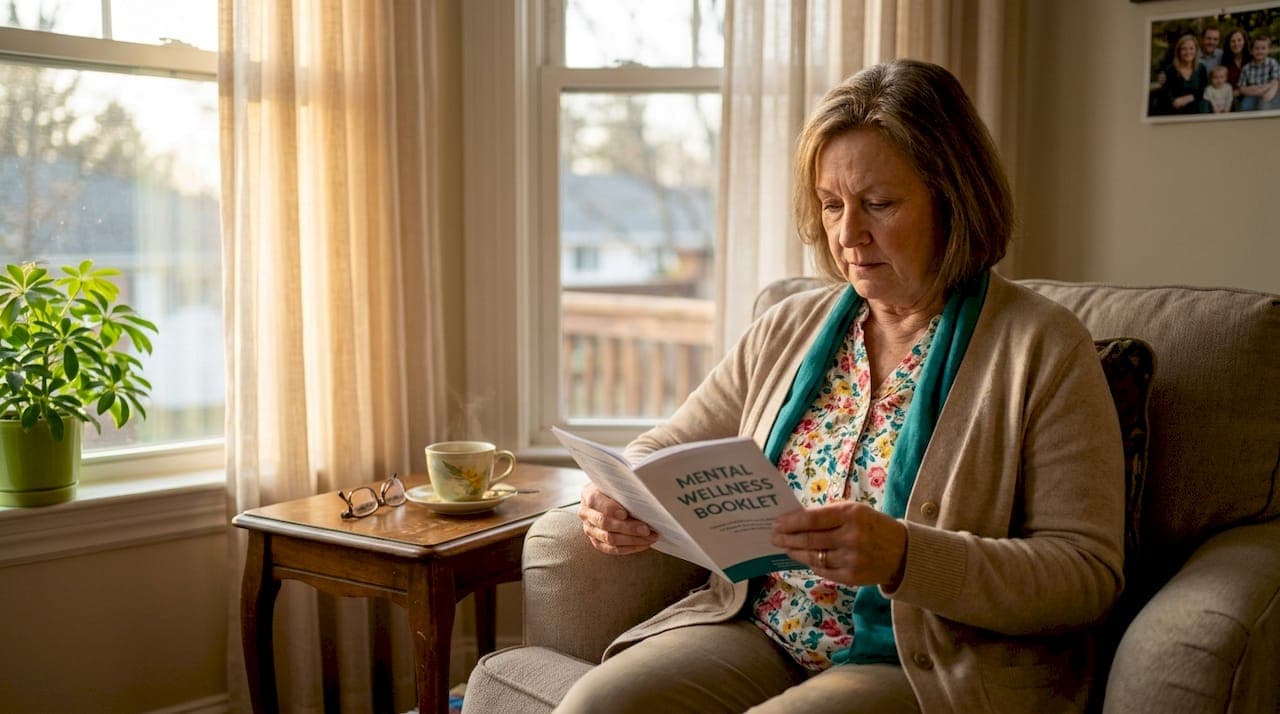
TL;DR:
- Many older adults experience depression and anxiety, which often go undiagnosed due to atypical symptoms. Addressing personalized treatment and daily routines can significantly improve senior mental health and emotional resilience. Building social connections and managing risk factors are essential for maintaining well-being with age.
Senior mental health refers to the emotional, psychological, and social well-being of adults aged 50 and above, shaped by physical health, life events, and social connections. The clinical term used by geriatric specialists is geriatric mental health, though "senior mental health" captures the same territory in everyday conversation. Nearly 1 in 5 adults over 65 has a diagnosed psychiatric disorder, with depression and anxiety leading the list. That figure means millions of older adults are living with treatable conditions that often go unrecognized. Understanding what affects mental wellness for seniors is the first step toward doing something about it.
What are the most common senior mental health challenges?
Depression and anxiety are the two most prevalent mental health conditions in older adults. They are also the most undertreated, partly because their symptoms in seniors look different from what most people expect.
Mental illness in older adults often shows up as physical complaints and cognitive changes rather than classic sadness. A doctor may chase unexplained fatigue, chronic pain, or irritability for months before recognizing the underlying cause. That delay costs people real quality of life.
Common mental health issues in seniors include:
- Depression: Persistent low mood, loss of interest in activities, fatigue, and changes in sleep or appetite. In older adults, it frequently mimics dementia or physical illness.
- Anxiety disorders: Excessive worry, restlessness, and physical tension. Seniors may focus anxiety on health concerns or fear of falling.
- Late-onset bipolar disorder: Less common, but mood swings that begin after age 50 do occur and require careful diagnosis to distinguish from other conditions.
- Late-onset schizophrenia: Rare, but psychotic symptoms can emerge in older adults, particularly in women, and are often misattributed to dementia.
- Grief and complicated bereavement: Not a disorder in itself, but prolonged grief after losing a spouse, sibling, or close friend can tip into clinical depression.
One of the most damaging misconceptions is that sadness and loneliness are simply part of getting older. The International Association of Gerontology and Geriatrics identifies this treatment gap as a priority concern. Accepting low mood as inevitable stops people from seeking help that genuinely works.
Which factors put seniors at risk for mental health issues?
Several overlapping factors raise the risk of psychological distress in older adults. Recognizing them early gives you a real chance to act before a problem becomes serious.

Chronic health conditions, pain, and disability are among the strongest predictors of depression and anxiety in aging adults. Living with daily pain wears down emotional reserves. Managing multiple diagnoses at once adds a layer of stress that compounds over time.
Key risk factors include:
- Life transitions: Retirement, the death of a spouse or close friend, and the loss of a driver's license all remove sources of identity, purpose, and independence at once.
- Social isolation: Living alone without regular contact is one of the most consistent risk factors for both depression and cognitive decline. Agingsolo's guide on solo ager isolation challenges covers this in detail.
- Polypharmacy: Taking five or more medications simultaneously, which is common in older adults, can cause mood changes, cognitive fog, and fatigue that mimic or worsen psychiatric symptoms.
- Stigma and underdiagnosis: Many adults over 65 grew up in an era when mental health treatment carried serious social stigma. That belief, internalized over decades, prevents honest conversations with doctors.
- Caregiver stress: Seniors who care for a partner or family member face compounded emotional and physical strain with little support for themselves.
The interaction between these factors matters. A person managing chronic pain, living alone, and taking multiple medications faces a very different risk profile than someone with just one of those challenges. Recognizing the combination is what allows for a targeted response.
What treatments effectively support mental wellness in seniors?
Evidence-based treatment for late-life depression and anxiety exists and works. The key is matching the approach to the individual, because standardized plans often fall short for older adults with complex health histories.
Personalized, multimodal treatment that accounts for comorbidities, polypharmacy, and a person's social situation produces the best outcomes. A one-size approach fails because the factors driving distress in a 72-year-old with heart disease and limited mobility differ sharply from those affecting a healthy, socially active 55-year-old.
Effective treatment options, in order of typical clinical priority:
- Psychotherapy first for mild to moderate symptoms. Cognitive Behavioral Therapy, Interpersonal Therapy, and Behavioral Activation are the three most well-supported options. They are adapted for older adults to account for physical limitations and cognitive changes.
- Medication when needed. Safe first-line options for late-life depression include sertraline, citalopram, and escitalopram. These are chosen for their favorable safety profiles in older adults, particularly regarding drug interactions.
- Combined therapy and medication for moderate to severe depression. Research consistently shows better outcomes when both are used together than either alone.
- Adjunct approaches. Light therapy, mindfulness-based stress reduction, and structured physical activity programs all show benefit as additions to primary treatment.
- Regular medication review. A pharmacist or physician reviewing all current medications can identify drug interactions that contribute to mood or cognitive symptoms.
Pro Tip: If you feel your doctor is dismissing low mood as "just aging," ask specifically for a referral to a geriatric psychiatrist or a licensed clinical social worker with experience in older adults. You have every right to that conversation.
Early treatment matters. The longer depression or anxiety goes unaddressed, the harder it becomes to treat and the greater the toll on physical health, relationships, and independence.
How can seniors build and maintain mental wellness every day?
Mental wellness for seniors does not depend on a single intervention. It builds through consistent daily habits, meaningful relationships, and a realistic plan for managing stress.
Stanford Medicine researchers identify four pillars as foundational: sleep, nutrition, exercise, and social connection. Each one reinforces the others. Poor sleep degrades mood and cognitive function. Low physical activity reduces the neurochemicals that regulate emotion. Skipping meals disrupts energy and concentration.
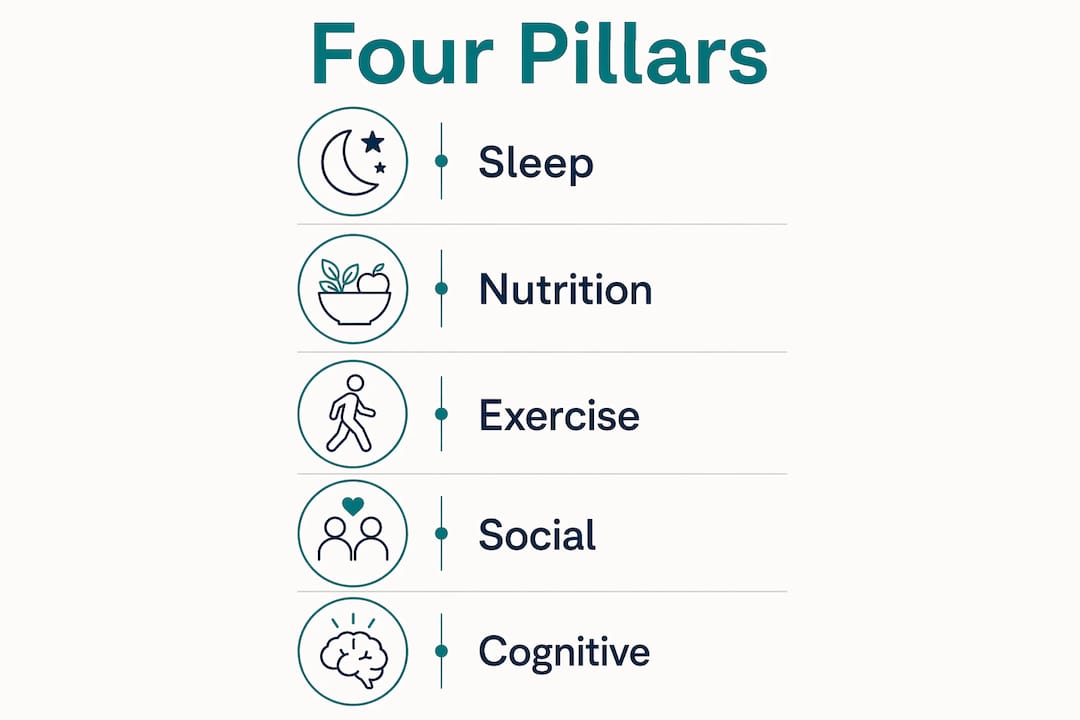
The four pillars in practice
| Pillar | What it looks like daily |
|---|---|
| Sleep | 7–9 hours with a consistent bedtime; limit screens after 9:00 PM |
| Nutrition | Whole foods, adequate protein, and hydration; solo ager nutrition matters more when cooking for one |
| Exercise | 30 minutes of moderate movement most days; walking, swimming, and chair yoga all count |
| Social connection | At least one meaningful interaction daily, whether in person, by phone, or video call |
Social engagement deserves special attention. Social interaction builds cognitive reserve and reduces the inflammatory stress that loneliness accelerates. Think of it as resistance training for the brain. Every conversation, shared meal, or group activity deposits something into your cognitive and emotional account.
Cognitive engagement works alongside social connection. Learning a new skill, playing a musical instrument, doing crossword puzzles, or joining a book club all keep the brain active and provide a sense of purpose. Purpose is not a luxury. It is a genuine protective factor against depression.
Pro Tip: Building a support circle does not require a large network. Research shows that three to five consistent, trusted relationships provide most of the mental health benefit. Quality matters far more than quantity.
Small, progressive changes accumulate. Swapping one sedentary hour for a walk, calling a friend you have been meaning to reach, or joining one local group are not minor gestures. They are the building blocks of healthy routines that protect your mental health over years, not just weeks.
Key Takeaways
Effective support for senior mental health requires recognizing real symptoms early, addressing risk factors directly, and building daily habits that protect emotional and cognitive well-being over time.
| Point | Details |
|---|---|
| Depression is not inevitable | Sadness and low mood in older adults are treatable conditions, not a normal part of aging. |
| Symptoms look different in seniors | Watch for unexplained pain, fatigue, and irritability, not just classic sadness. |
| Treatment works best when personalized | Cognitive Behavioral Therapy, medication review, and social support together outperform any single approach. |
| Four daily pillars protect mental wellness | Sleep, nutrition, exercise, and social connection each reinforce the others. |
| Social connection is cognitive protection | Regular meaningful interaction builds brain resilience and reduces the inflammatory effects of loneliness. |
What I've learned about senior mental health that most articles miss
I've spent years reading the research on aging and talking with people who are navigating it alone. One thing stands out clearly: the biggest barrier to better mental health in older adults is not a lack of treatment options. It's the quiet belief that feeling low, anxious, or disconnected is simply what aging feels like.
That belief is wrong, and it costs people years of better living.
The second thing I've noticed is how often well-meaning advice focuses on the individual in isolation. "Exercise more. Sleep better. Eat well." All true. But none of it lands without a social context. The seniors I've seen thrive are not necessarily the ones with the best fitness routines. They are the ones with a person to call, a group to show up for, and a reason to leave the house. Social connection is not a nice addition to a wellness plan. It is the plan.
There is also something worth saying about stigma that goes beyond the usual framing. Stigma is not just a societal problem. Many older adults have internalized it so deeply that they feel shame about their own distress. Normalizing mental health conversations within families and communities matters, but so does the internal work of giving yourself permission to struggle and to ask for help.
If you take one thing from this: early is better. A conversation with your doctor at the first sign of persistent low mood, anxiety, or withdrawal is not an overreaction. It is exactly the right call.
— Mike
Agingsolo resources for aging independently with strong mental health
Mental wellness and independent living are deeply connected. When you have a clear plan for your daily life, your safety, and your support network, the mental load of aging alone gets lighter.
Agingsolo is built specifically for adults who are growing older without a traditional built-in support system. The aging in place guide covers the practical side of staying safe and independent at home, which directly supports emotional stability and self-confidence. For those thinking about the longer view, the growing old alone guide addresses connection, safety, and mental health together in one place. Good planning is one of the most underrated mental health tools available to solo agers.
FAQ
What is senior mental health?
Senior mental health refers to the emotional, psychological, and social well-being of adults aged 50 and above. It is shaped by physical health, life transitions, social connections, and access to care.
What are the most common mental health issues in seniors?
Depression and anxiety are the most common, affecting nearly 1 in 5 adults over 65. Both are treatable but frequently go undiagnosed because symptoms often appear as physical complaints rather than emotional ones.
How is depression treated in older adults?
Senior depression treatment typically combines psychotherapy such as Cognitive Behavioral Therapy with medication options like sertraline or escitalopram, tailored to the individual's health conditions and current medications.
How does loneliness affect cognitive health in older adults?
Loneliness acts as a chronic stressor that accelerates cognitive aging and increases the risk of depression. Regular social interaction builds cognitive reserve and reduces that inflammatory stress response.
What mental health resources are available for elderly adults?
Mental health resources for elderly adults include geriatric psychiatrists, licensed clinical social workers, community mental health centers, and online platforms offering telehealth therapy. Agingsolo also provides practical guides for building support networks and maintaining independence.