

TL;DR:
- Senior resources help adults aged 50 and older maintain independence through services like home care, meal delivery, and financial aid. Connecting with local agencies and preparing necessary documents in advance improves access and speeds up support. Building relationships early and combining multiple services create a stronger safety net for solo agers.
Senior resources are organized programs and services designed to help adults aged 50 and above maintain independence, safety, and daily well-being as they age. The Administration for Community Living and its network of Area Agencies on Aging (AAA) form the backbone of this system in the United States. Knowing what exists, and how to access it before a crisis hits, is the single most important step you can take. Agingsolo exists to help solo agers do exactly that. This guide covers the main categories of support, how to find local services, and how to build a plan that actually holds up.
What senior resources are available and how they help
Senior support services fall into several clear categories. Each one addresses a different part of daily life, and most people qualify for more than one.
Community and home-based services form the foundation of independent living:
- Home-delivered meals (often called Meals on Wheels programs) bring nutritious food directly to your door, reducing isolation along the way.
- In-home care covers personal assistance with bathing, dressing, and household tasks so you can stay in your own home longer.
- Caregiver support provides respite care and counseling for family members or friends who help you regularly.
- Transportation programs connect you to medical appointments, grocery stores, and community activities. Agingsolo has a full guide on local transportation options for adults who no longer drive.
Medical and financial assistance rounds out the picture:
- Certified Medicare counselors through the State Health Insurance Assistance Program (SHIP) provide free, unbiased guidance on enrollment, plan costs, and coverage gaps. These counselors are available statewide and serve adults aged 65 and older.
- Medicare Savings Programs and Extra Help benefits reduce out-of-pocket costs significantly. These programs are widely underused simply because most people do not know they exist.
- State-specific benefit programs, such as Illinois' Benefit Access Program, offer license plate discounts and free transit passes based on income and residency. Eligibility screening tools like BenefitsCheckup can identify which programs apply to your situation.
- Utility assistance programs help cover heating and cooling bills, which matter most during extreme weather.
Legal and protective services are often overlooked but critical:
- Adult Protective Services investigates elder abuse, neglect, and financial exploitation.
- Elderly Service Officers within local law enforcement specialize in both crime prevention and resource navigation for older adults.
- Legal aid programs help with advance directives, housing disputes, and benefits appeals.
Pro Tip: Write down every category of need you have before you make a single call. Agencies can connect you to multiple services in one conversation if you come prepared.
How to find and connect with local senior resources
The senior resource system in the United States is highly localized. A national overview only gets you so far. Identifying your specific Area Agency on Aging is more effective than relying on broad program lists alone.
Here is a step-by-step approach that works:
-
Start with the Eldercare Locator. The Eldercare Locator is the primary federal tool connecting seniors to local AAAs and community services. You can reach trained staff 24 hours a day, 7 days a week by calling 1-800-677-1116, or use the online chat and email options. Staff can help with meal delivery, home care referrals, and much more.
-
Contact your local Area Agency on Aging directly. Your AAA coordinates services across your county or region. They know which programs have openings, which have waitlists, and which local nonprofits fill the gaps. No national database replaces that local knowledge.
-
Run a BenefitsCheckup screening. BenefitsCheckup generates a tailored list of programs you may qualify for based on your income, age, and location. This shortens the path from inquiry to actual benefit receipt.
-
Gather your documents before you call. Proof of income, residency, Medicare status, and recent utility bills are the most commonly requested items. Preparing these documents in advance can prevent weeks of processing delays. Many seniors underestimate how much this step matters.
-
Apply for multiple programs at once. The fastest path to support is rarely a single program. Combining home-delivered meals with utility assistance and an AAA referral yields faster results than pursuing each service separately.
Pro Tip: Keep a simple "call log" notebook. Write down the date, the agency name, the person you spoke with, and what they said. This record saves you from repeating yourself and helps you follow up effectively.
How to build a safety plan and support network

Safety planning is not a one-time task. It is a steady, ongoing process that works best when you start before you need it.
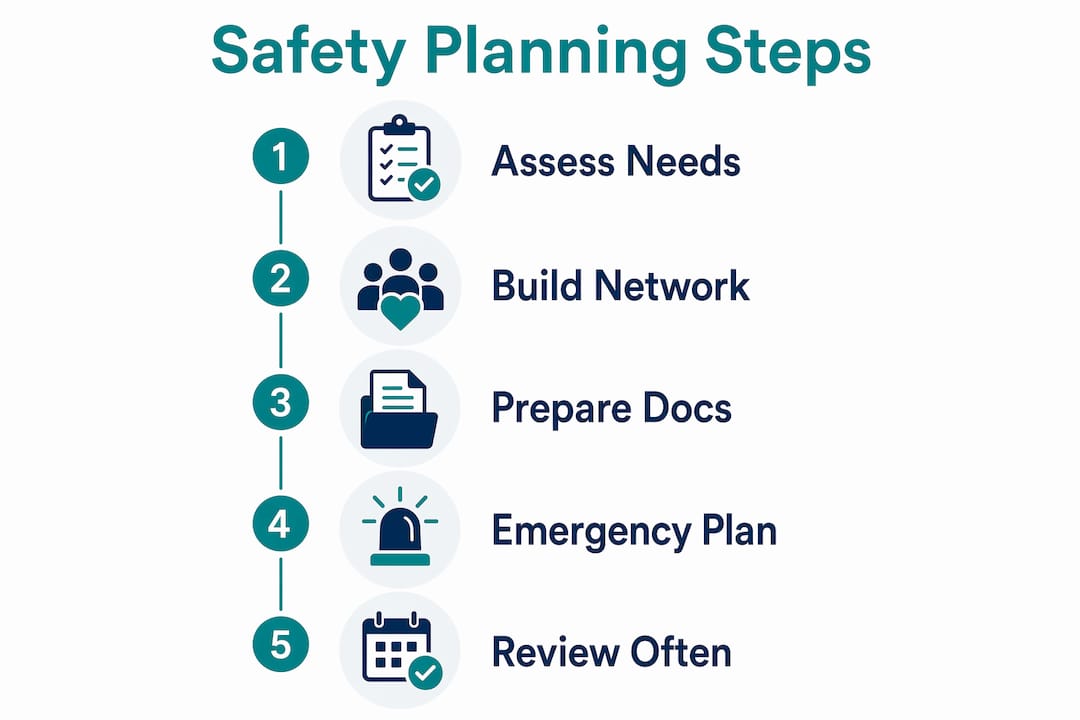
Proactive engagement with community programs such as wellness checks, meal sites, and social groups builds the kind of support network that actually improves emergency outcomes. Waiting until a crisis occurs limits your options and slows the response you receive.
Practical steps to build your network:
- Create a personal call plan. List the people and agencies to contact in order of urgency. Include neighbors, friends, your AAA contact, and your doctor's office. Agingsolo's guide on documenting your personal wishes walks you through this process clearly.
- Set up a buddy system. A daily check-in with a trusted neighbor or friend costs nothing and catches problems early. Agingsolo's buddy system resource offers a structured way to set this up.
- Make safety upgrades at home. Grab bars in the bathroom, better lighting in hallways, and a medical alert device are low-cost changes with real impact.
- Connect with Adult Protective Services proactively. You do not have to wait for abuse or neglect to occur. APS can connect you to legal help and safety planning before problems escalate.
- Register with local emergency management. Many counties maintain lists of residents who may need extra help during evacuations or power outages. Getting on that list takes one phone call.
"Delaying outreach until crises occur limits options and slows support response. Seniors who engage with community programs before emergencies arise consistently report better outcomes and faster access to help."
Agingsolo's health and emergency planning guide covers each of these steps in detail, including how to prepare for medical emergencies when you live alone.
What Medicare and health resources are available for seniors?
Medicare is the primary health coverage for adults aged 65 and older, but navigating its parts, costs, and plan options is genuinely confusing. Free help is available, and most people do not use it.
| Resource | What it does | Who it serves |
|---|---|---|
| SHIP counselors | Free, unbiased Medicare plan guidance | Adults 65+ in all states |
| Medicare Savings Programs | Covers premiums, deductibles, and copays | Low-to-moderate income seniors |
| Extra Help (LIS) | Reduces prescription drug costs | Medicare Part D enrollees |
| Telehealth programs | Remote medical visits and care coordination | Seniors aging independently |
| Medical advocacy services | Coordinates care across providers | Those managing multiple conditions |
SHIP counselors are certified, do not sell insurance, and have no financial stake in which plan you choose. That independence matters. They help you compare plans during open enrollment, understand what your current plan covers, and apply for cost-reduction programs you may not know about.
Telehealth and medical advocacy services are especially valuable for solo agers. They reduce the need for transportation, connect you to specialists remotely, and help coordinate care when you have multiple providers. Agingsolo's guide on telehealth for solo adults explains how to get started with these services step by step.
Healthcare needs change over time. Reviewing your Medicare plan annually during open enrollment, rather than letting it auto-renew, is one of the most financially meaningful habits you can build.
Key Takeaways
The most effective approach to senior resources combines proactive document preparation, local AAA contact, and simultaneous multi-service applications to reduce delays and build a real safety net.
| Point | Details |
|---|---|
| Start with the Eldercare Locator | Call 1-800-677-1116 to connect with your local Area Agency on Aging and community services. |
| Prepare documents before calling | Gather proof of income, residency, and Medicare status to avoid weeks of processing delays. |
| Apply for multiple programs at once | Combining meals, utilities, and home care referrals gets results faster than one application at a time. |
| Use SHIP counselors for Medicare | Free, certified counselors help you choose plans and access cost-reduction programs at no charge. |
| Build your network before a crisis | Wellness checks, buddy systems, and emergency registration work best when set up early. |
What I've learned about navigating senior resources
The biggest mistake I see people make is waiting. They assume the system will find them when they need it. It will not. The senior resource system is fragmented and requires you to show up first.
The second mistake is going in unprepared. Showing up to a call without your income documents or Medicare card adds weeks to the process. I have seen people lose their place on waitlists simply because they needed to gather paperwork they could have had ready.
What actually works is treating resource navigation like a living checklist, not a one-time errand. Your needs will change. Programs will open and close. Relationships with your local AAA staff are worth maintaining year-round, not just during a crisis. Call them in january to check on new programs. Call again in the fall before Medicare open enrollment. Build that relationship before you desperately need it.
The combination approach is also underrated. People think they need to solve one problem at a time. But pairing a home-delivered meal program with a utility assistance application and a caregiver support referral in the same week is entirely possible. Agencies expect it. It is how the system is designed to work.
— Mike
Planning for independent aging starts here
Solo agers face a specific challenge: building a support system without the built-in network that a spouse, partner, or nearby family often provides. That takes intention, and it takes the right tools.

Agingsolo is built for exactly this situation. The site offers practical guides on aging safely and independently, emergency planning, support circle building, and Medicare navigation, all written for adults who are doing this without a traditional safety net. Whether you are just starting to think about the future or actively looking for local services, Agingsolo gives you a clear, calm place to start. Visit the Soloist's Toolkit for a curated set of planning resources built specifically for solo agers.
FAQ
What are senior resources?
Senior resources are programs and services that help adults aged 50 and older maintain independence, safety, and daily well-being. They include home care, meal delivery, Medicare counseling, transportation, financial assistance, and legal support.
How do I find senior resources near me?
Contact the Eldercare Locator at 1-800-677-1116 or visit eldercare.acl.gov to connect with your local Area Agency on Aging. They coordinate community services and can refer you to programs based on your specific needs.
What financial resources are available for seniors?
Financial assistance for older adults includes Medicare Savings Programs, Extra Help for prescription costs, state benefit programs like Illinois' Benefit Access Program, and utility assistance. A free BenefitsCheckup screening identifies which programs you qualify for.
What is SHIP and how does it help with Medicare?
SHIP stands for State Health Insurance Assistance Program. It provides free, certified counseling to help seniors understand Medicare options, compare plans, and apply for cost-reduction benefits without any sales pressure.
How can seniors plan for safety when living alone?
Creating a personal call plan, setting up a daily buddy check-in, registering with local emergency management, and connecting with Adult Protective Services before a crisis occurs are the most effective steps for seniors living independently.