
TL;DR:
- Social connection helps seniors maintain physical health, cognitive function, and emotional well-being. Regular participation in structured, interest-based activities builds lasting relationships and reduces feelings of isolation. Community resources and support networks are essential for breaking down barriers and fostering independence.
Social connection for seniors is defined as the quality and frequency of meaningful relationships that support physical health, cognitive function, and emotional well-being in later life. Nearly 25% of adults aged 65 and older are socially isolated, and that isolation increases the risk of premature death by 29%. That number is not a warning for the distant future. It describes what is happening right now for millions of older adults. Staying connected is not a luxury or a personality trait. It is a biological need, as fundamental as hunger or thirst, and it directly shapes how independently you age.
What are effective ways for seniors to build social connections?
The most reliable path to senior social engagement starts with structured, interest-based activities rather than open-ended socializing. Unstructured social hours feel awkward for many people. A shared task or game gives everyone a reason to talk.
Interest-based activities like memory cafes, exercise groups, volunteer roles at local schools, and club participation build relationships through shared focus. They reduce social anxiety because the activity itself carries the conversation. You do not have to walk into a room and introduce yourself cold.
Here are proven starting points for building friendships as a senior:
- Memory cafes: Low-key gatherings for older adults and caregivers, often held at libraries or coffee shops, with no agenda beyond connection.
- Fitness classes: Chair yoga, tai chi, and water aerobics create weekly contact with the same faces, which builds familiarity fast.
- Volunteer roles: Tutoring children, staffing food pantries, or reading to library patrons gives you purpose and puts you alongside people who share your values.
- Senior clubs and hobby groups: Book clubs, garden clubs, and art classes attract people with specific shared interests, making conversation natural.
- Lunch-and-learn events: Low-stakes, one-hour programs at senior centers or libraries let you test a group before committing to regular attendance.
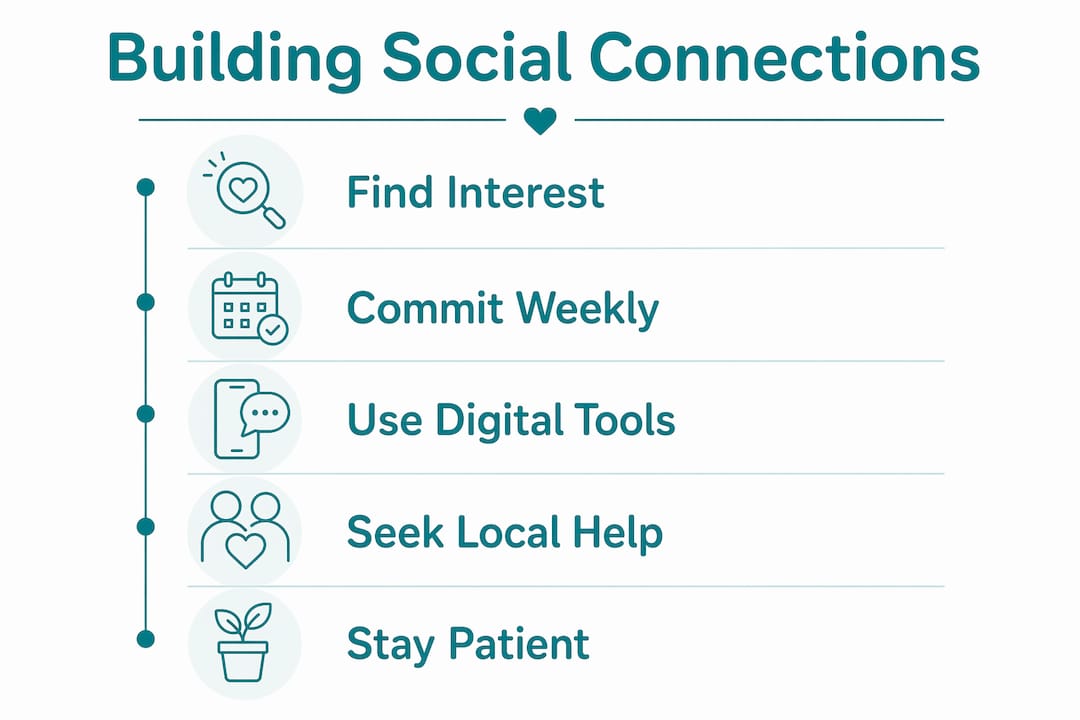
Routine is the real engine here. One-off events rarely build lasting connections. Showing up weekly to the same chair yoga class or trivia night is what moves you from stranger to a familiar face to a friend. That progression takes time, and it only happens through repetition.
Pro Tip: Start with a single weekly commitment rather than signing up for five things at once. One consistent activity builds deeper ties than five sporadic ones.
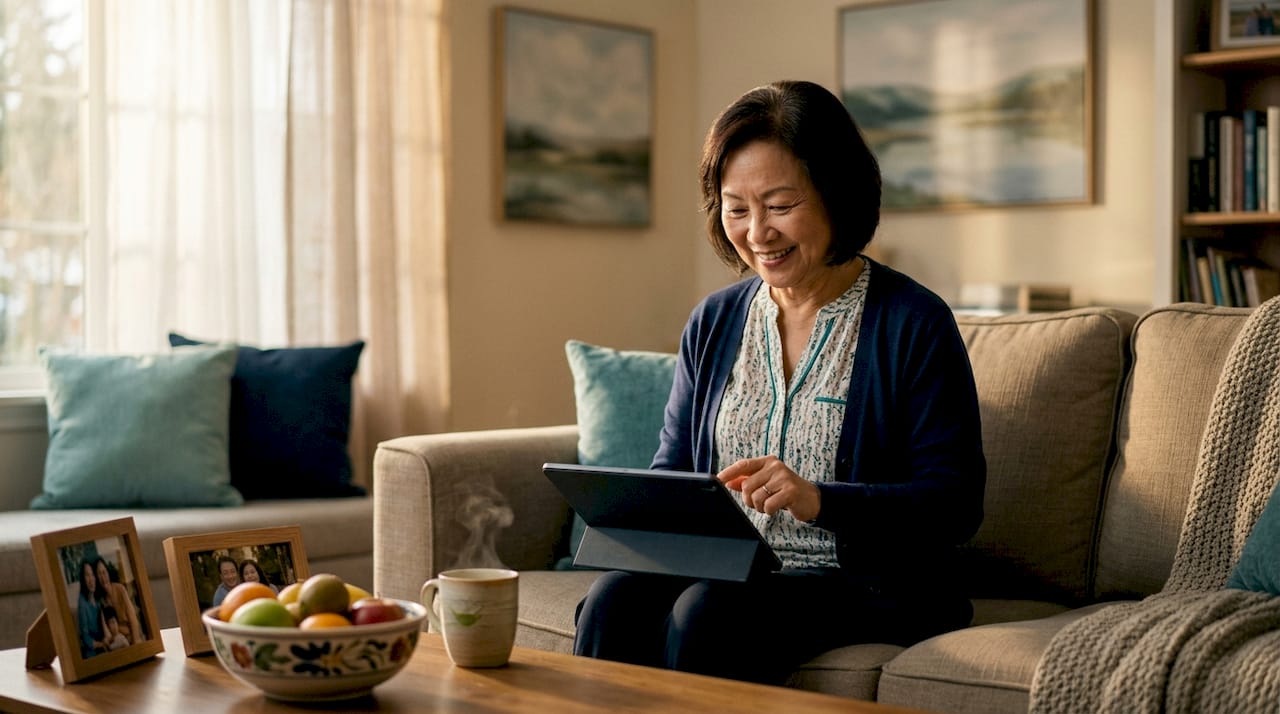
Digital tools can help you find events, coordinate rides, and stay in touch between meetups. Overreliance on digital contact alone can increase feelings of isolation, though. Use technology as a bridge to in-person time, not a substitute for it.
Which local resources help seniors stay socially connected?
Your community almost certainly offers more than you realize. The challenge is knowing where to look.
Most local government senior centers provide free or low-cost programs on a regular weekly or monthly schedule. Programs commonly include chair yoga, tai chi, workshops, social hours, and educational classes. Many centers also offer transportation assistance for seniors with mobility challenges, removing one of the biggest practical barriers to attendance. Membership fees, when they exist, are typically nominal.
Here is a practical sequence for finding and using local resources:
- Contact your city or county Area Agency on Aging. Every region in the United States has one. They maintain updated lists of programs, transportation options, and volunteer opportunities for older adults.
- Visit your nearest senior center in person. Ask for a printed program calendar. Staff can walk you through registration and answer questions about transportation.
- Look into Meals on Wheels. Beyond delivering food, many local Meals on Wheels programs include social check-ins and connect recipients to community activities.
- Search for virtual options. Digital literacy classes, telephone caller clubs, and online book groups are available through libraries, nonprofits, and senior centers for those with mobility limitations.
- Ask about transportation. Many senior centers partner with local transit agencies or volunteer driver programs to provide rides at no cost or low cost.
Cities like Boston operate dedicated older adult engagement offices that publish event calendars and coordinate transportation. Similar models exist in cities like Eagan, Minnesota, and across most mid-sized American municipalities. You do not need to live in a major metro to access structured community programs.
| Resource type | Typical cost | Format |
|---|---|---|
| Senior center programs | Free to low-cost | In-person, weekly or monthly |
| Area Agency on Aging referrals | Free | Phone, in-person, or online |
| Meals on Wheels social activities | Free | In-home or community-based |
| Virtual digital literacy classes | Free | Online, scheduled sessions |
| Volunteer driver programs | Free or low-cost | On-request transportation |
What challenges do seniors face when socializing, and how can they overcome them?
Social isolation among older adults rarely comes from a lack of desire to connect. It comes from real barriers that pile up quietly over time.
The main barriers include mobility limitations, transportation gaps, and social anxiety. Anxiety about cognitive or physical decline can make social situations feel exposing rather than enjoyable. Many seniors pull back not because they want to be alone, but because they fear being seen struggling.
Common barriers and practical ways to address them:
- Mobility and transportation: Use senior center shuttle services, volunteer driver programs, or transportation options designed for older adults who no longer drive.
- Social anxiety: Choose structured social settings like trivia nights or bingo over open-ended mixers. A shared activity gives everyone a focus and lowers the pressure to perform socially.
- Unfamiliarity with new groups: Attend the same event two or three times before deciding it is not for you. Familiarity takes repetition.
- Feeling like a burden: Volunteer roles flip this dynamic. When you are contributing, you feel needed rather than dependent.
Community support shifts the experience from daunting to manageable. Having a family member, neighbor, or volunteer accompany you to a first event normalizes the outing and reduces apprehension significantly. The responsibility for staying connected does not rest entirely on your shoulders.
There is also a false belief that building a social life in later years is purely a personal effort. It is not. It requires a supportive ecosystem of family, neighbors, community programs, and local services working together. Recognizing that takes pressure off you and opens the door to asking for help.
Pro Tip: If a new group feels uncomfortable after one visit, go back at least twice more. Most people feel awkward the first time. The second visit is almost always easier.
How does social connection impact seniors' health and independence?
The health benefits of staying socially active are not soft or anecdotal. They are measurable, well-documented, and significant.
Social activity benefits extend beyond emotional relief to improved cognitive function, lower blood pressure, and reduced dementia risk. These physical changes support aging in place by keeping the body and mind functioning at a higher level for longer. Social engagement is a protective factor, not just a pleasant addition to life.
"Staying socially connected is one of the most powerful things older adults can do to protect their cognitive health and maintain independence. Meaningful interaction, not just presence among others, is what drives the benefit. Seniors who feel they matter to others show measurably better health outcomes across physical, cognitive, and emotional measures."
The cognitive protection alone is worth noting. Regular social interaction exercises memory, language, and attention in ways that solitary activities do not. Seniors who stay active and connected show slower rates of cognitive decline compared to those who are isolated.
Emotionally, connection combats depression and anxiety, both of which are common and underdiagnosed in older adults. Volunteering and community participation also build self-esteem and purpose, which are critical for mental health as you age. The benefit flows both ways: you give to others, and you receive in return.
| Health area | Effect of social engagement |
|---|---|
| Cognitive function | Slower decline, reduced dementia risk |
| Cardiovascular health | Lower blood pressure |
| Mental health | Reduced depression and anxiety |
| Longevity | Lower risk of premature death |
| Independence | Stronger capacity to age in place |
Key Takeaways
Staying socially connected is the single most accessible action seniors can take to protect their health, slow cognitive decline, and maintain independence as they age.
| Point | Details |
|---|---|
| Isolation carries real health risk | Social isolation increases premature death risk by 29% for adults 65 and older. |
| Routine beats one-off events | Weekly attendance at the same activity builds the familiarity that turns acquaintances into friends. |
| Structured settings ease anxiety | Trivia nights, bingo, and fitness classes lower social pressure by giving everyone a shared focus. |
| Community resources are widely available | Senior centers, Area Agencies on Aging, and Meals on Wheels offer free or low-cost programs in most communities. |
| Connection is a team effort | Building a social life in later years requires family, neighbors, and community programs, not just personal effort. |
What I've learned about social connection after years of working with solo agers
The seniors I have seen thrive socially are not the most outgoing ones. They are the most intentional ones.
They pick one or two activities, put them on the calendar like appointments, and show up even when they do not feel like it. They do not wait to feel motivated. They act first and let the motivation follow. That is a skill, and it can be learned at any age.
The biggest mistake I see is treating social engagement as something to figure out later, after retirement settles in or after the move to a new city. Later becomes never. The quiet gets heavier than expected, and by then the habits of isolation are already forming.
The second mistake is expecting instant friendship. Real connection takes months of repeated contact. If you go to a book club once and feel like an outsider, that is normal. Go back. The people who become your people are usually the ones you almost gave up on.
For solo agers especially, building a support circle is not optional. It is the foundation of safe, independent aging. You do not need a large network. You need a reliable one. Three or four people who know your routines, check in regularly, and would notice if something was wrong. That is a real safety net.
Social connection is also not just about feeling good. It is about staying capable. The research is clear: people who remain socially engaged stay sharper, healthier, and more independent longer. That is worth showing up for, even on the days when the couch feels easier.
— Mike
Agingsolo resources for staying connected as you age
Agingsolo is built specifically for adults who are aging without a traditional built-in support system. Whether you live alone by choice or circumstance, the guides and tools on the site address the real, practical challenges of staying connected and independent.

The growing old alone guide walks you through the specific steps solo agers need to stay safe, connected, and in control of their own lives. If you are ready to think about who is in your corner and how to build that network deliberately, the solo ager essentials guide is the right place to start. Both are free, practical, and written for people who want clear answers, not vague reassurance.
FAQ
What is social connection for seniors?
Social connection for seniors is defined as the quality and regularity of meaningful relationships that support physical health, cognitive function, and emotional well-being in later life. It includes friendships, community involvement, volunteer roles, and family ties.
How does social isolation affect older adults' health?
Social isolation increases the risk of premature death by 29% for adults aged 65 and older. It also raises the risk of cognitive decline, depression, and cardiovascular problems.
What are the best community activities for seniors?
Chair yoga, tai chi, book clubs, memory cafes, trivia nights, and volunteer roles at schools or food pantries are among the most effective community activities for seniors. Structured activities work better than open-ended social hours because they reduce anxiety and give people a shared focus.
How can seniors overcome barriers to socializing?
Transportation assistance through senior center shuttles or volunteer driver programs addresses mobility gaps. Choosing structured group activities over unstructured mixers reduces social anxiety. Having a family member or neighbor accompany you to a first event makes the experience significantly less stressful.
How often should seniors engage socially to see health benefits?
Weekly engagement in the same activity produces the most benefit. Regular attendance builds familiarity, creates a sense of community, and prevents the drop-off in social ties that comes from treating events as one-time outings.