
TL;DR:
- Solo seniors are adults over age 50 who live independently without immediate family support and need a solid plan. They must prepare legal, financial, health, and social strategies early to maintain independence and reduce risks. Building a support network, adapting homes, and securing legal documents are essential for aging confidently alone.
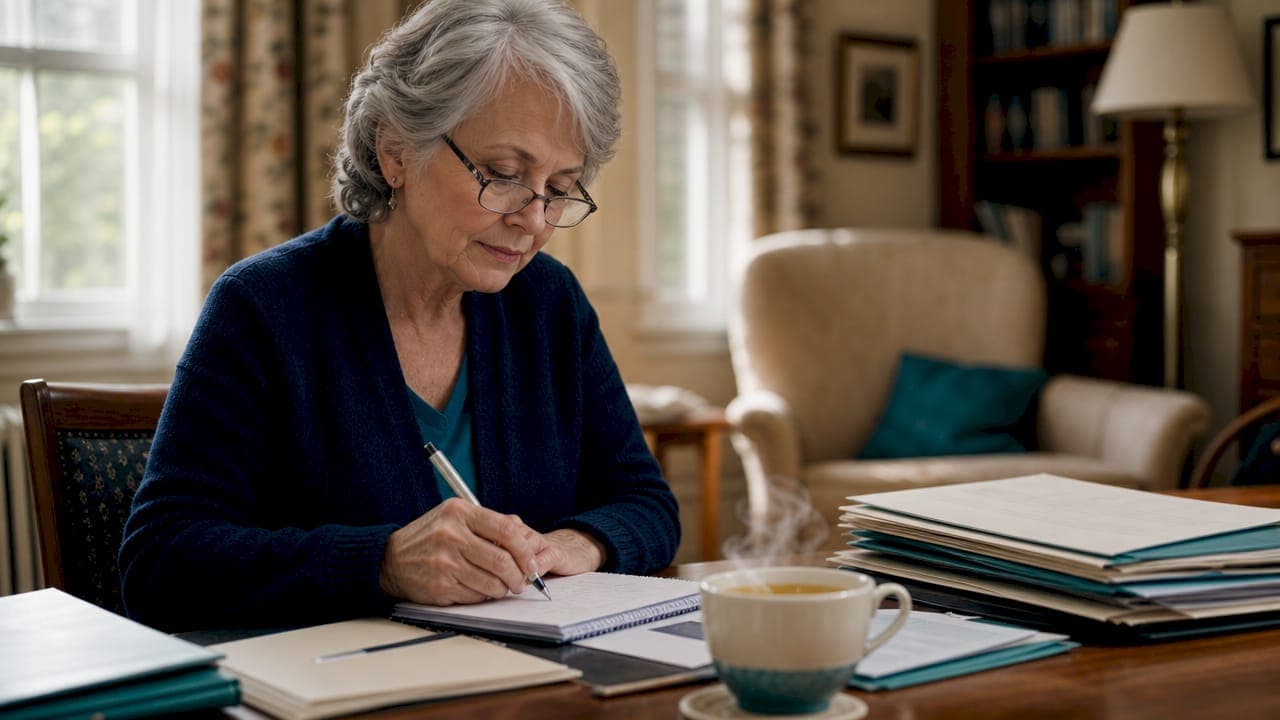
Solo seniors are adults aged 50 and older who live independently without a spouse, partner, or nearby family support, and they now represent one of the fastest-growing groups in America. Over 22 million older Americans live alone without spouses or children nearby. That number reflects a real shift in how people age. The good news is that living alone does not mean aging without a plan. With the right legal, financial, health, and social foundations in place, independent seniors can live with confidence, dignity, and genuine peace of mind.
1. Why solo seniors need a plan before a crisis hits
Planning is the single most protective thing a solo senior can do. Without a spouse or adult child to step in during a health emergency, the decisions fall to whoever is available. That could be a neighbor, a distant relative, or a court-appointed stranger.
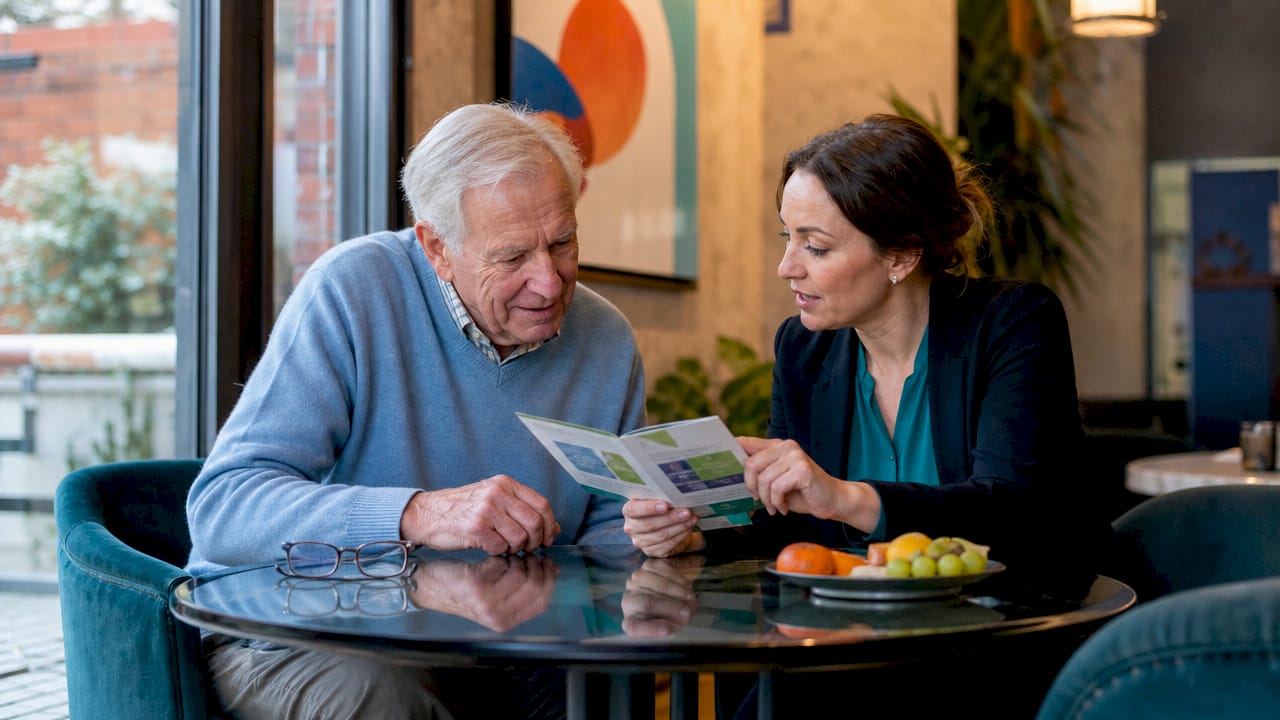
Advance directives and powers of attorney prevent court-appointed guardianship and keep decision-making in your hands. These documents name the people you trust to speak for you if you cannot speak for yourself. Without them, a judge decides who takes over.
The professional team you build matters just as much as the paperwork. A solid support structure for elderly living solo typically includes an elder law attorney, a geriatric care manager, and a financial advisor who understands solo aging. Each one covers a different gap. Together, they create a real safety net.
Pro Tip: Start with the legal documents first. A healthcare proxy and a durable power of attorney are the two most time-sensitive pieces. Get those signed before anything else.
2. Understanding the financial reality of aging alone
The "singles tax" is real. Solo seniors pay all housing costs, utilities, and healthcare bills out of pocket with no one to split the load. That changes the math on retirement planning significantly.
Financial planning for solo seniors must exceed traditional retirement guidelines because there are no shared expenses and no backup income. Many solo agers also need to budget for professional caregiving and home maintenance that coupled peers handle informally. That adds up fast.
Delaying Social Security until age 70 is one of the most effective moves a solo senior can make. The monthly benefit increase from waiting can provide a meaningful cushion later in life when care costs tend to rise. A financial advisor who specializes in solo aging can model this out for your specific situation.
- Budget for professional help. Home health aides, geriatric care managers, and house maintenance services are not luxuries. They are line items.
- Build a larger emergency fund. Aim for more than the standard three to six months. Solo seniors have no financial backup when something goes wrong.
- Review beneficiary designations. Without a spouse, these documents need careful attention. An elder law attorney can help you name the right people.
3. Top health risks for solo seniors and how to reduce them
Living alone raises measurable health risks. Solo seniors face a 30% higher risk of cardiovascular disease, a 50% higher risk of dementia, and a 32% increased risk of stroke compared to those who live with others. Those are not small numbers. They reflect the real cost of having no one nearby to notice early warning signs.
Nearly 40% of seniors living alone report vision, hearing, or cognitive challenges that affect their independence. These changes often happen gradually. That is exactly why regular checkups and proactive monitoring matter so much for the single seniors lifestyle.
Many solo seniors delay medical care because they lack a caregiver or driver. Skipping appointments leads to conditions going unmanaged and independence declining faster. This is one of the most preventable problems in solo aging.
- Schedule regular preventive screenings. Annual physicals, vision exams, hearing tests, and cognitive assessments catch problems early.
- Use telehealth for routine follow-ups. Telehealth options reduce the transportation barrier and make consistent care easier to maintain.
- Set up medication management. Pill organizers, pharmacy blister packs, and reminder apps reduce missed doses.
- Install personal emergency response systems. Wearable alert devices give you a direct line to help if you fall or feel unwell.
- Get a second set of ears at appointments. Bring a trusted friend or hire a geriatric care manager to attend medical visits with you.
Pro Tip: A geriatric care manager acts as your advocate at medical appointments. They ask the questions you forget under pressure and make sure you leave with a clear understanding of next steps.
4. Building social connections that actually hold
Living alone does not equal loneliness. Many solo seniors maintain active social networks and strong community ties. Social isolation is a risk factor, but it depends on the quality of your connections, not simply your living situation.
The distinction matters because it changes the goal. You are not trying to fill a void. You are building a network that is steady, reliable, and genuinely satisfying. That looks different for everyone.
Here are the most effective ways to build and maintain social connections as a solo senior:
- Invest in a small circle of close friends. Depth matters more than breadth. Two or three people who check in regularly are worth more than a long contact list.
- Connect with neighbors intentionally. A neighbor who knows your routine can notice when something seems off. That awareness is a quiet but powerful safety layer.
- Join a faith community, club, or class. Regular scheduled gatherings create natural accountability and belonging without requiring constant effort.
- Use technology to stay close to family. Video calls, group chats, and shared photo apps keep distant relatives present in your daily life.
- Volunteer or take on a regular role. Having somewhere to be and someone counting on you supports mental health in ways that passive socializing does not.
Building your support circle is one of the most practical steps you can take. It does not happen by accident. It takes intention and a little structure.
5. Adapting your home for safe, independent living
Your home is either your greatest asset or your biggest risk. Stairs, narrow hallways, and complex layouts become genuine hazards after surgery, a fall, or a decline in mobility. Most people do not think about this until a crisis forces the issue.
A home safety assessment is the starting point. Walk through your space with fresh eyes or hire a certified aging-in-place specialist to do it for you. The goal is to identify what needs to change before something goes wrong.
Common modifications that make a real difference include grab bars in bathrooms, non-slip flooring, improved lighting in hallways and stairwells, and lever-style door handles. These are not expensive changes. They are practical ones.
| Living arrangement | Best for | Key limitation |
|---|---|---|
| Aging in place with modifications | Seniors who want to stay home long-term | Requires ongoing assessment and upkeep |
| Downsizing to a single-level home | Seniors with mobility concerns | Involves a move and transition costs |
| Independent living community | Healthy seniors wanting less maintenance | Not designed for hands-on medical care |
| Continuing care retirement community | Seniors planning for future care needs | Higher upfront costs and commitment |
Independent living communities offer social density and freedom from home maintenance. They appeal to healthy seniors who want convenience and community. They are not substitutes for medical care or personal assistance, so timing the move well matters.
Pro Tip: Plan your housing transition before you need to. Senior living transitions made under pressure rarely result in the best fit. Decide while you still have full options.
6. Getting your legal documents in order
Legal planning is the foundation that holds everything else together. Without it, even the best financial and health plans can fall apart when you need them most.
Early life care planning integrates legal, financial, and healthcare arrangements into a single roadmap that adjusts as your needs change. This is not a one-time task. It is an ongoing process that you revisit every few years or after a major life change.
The core documents every solo senior needs include a healthcare proxy, a durable power of attorney, a living will, and an updated will or trust. Each one addresses a different scenario. Together, they cover the full range of situations where someone else may need to act on your behalf.
Documenting your personal wishes before a crisis is one of the most caring things you can do for yourself and for the people who care about you. It removes guesswork and prevents conflict. It also gives you control over outcomes that matter deeply to you.
7. Staying active and engaged as a solo ager
Physical activity is one of the most well-supported tools for maintaining independence as you age. Regular movement reduces fall risk, supports cardiovascular health, and improves mood. For solo seniors, it also creates natural social opportunities.
Group fitness classes, walking clubs, swimming programs, and yoga sessions all combine physical benefit with regular human contact. The social layer is not incidental. It is part of what makes these activities so effective for the single seniors lifestyle.
Mental engagement matters just as much. Reading groups, continuing education classes, creative hobbies, and learning new skills all support cognitive health. The goal is not to stay busy. It is to stay connected to things that feel meaningful and stimulating.
Staying active while aging alone is entirely possible with the right structure. You do not need a packed schedule. You need a few consistent anchors that keep you moving, thinking, and connected to others.
Key takeaways
Solo seniors who plan early across legal, financial, health, and social domains maintain the most independence and face fewer crises without support.
| Point | Details |
|---|---|
| Plan before a crisis | Advance directives and powers of attorney protect your choices if you become incapacitated. |
| Budget for solo costs | The singles tax is real. Financial planning must account for solo housing, healthcare, and professional care costs. |
| Address health risks directly | Solo seniors face measurably higher risks for heart disease, dementia, and stroke. Regular screenings and a care team reduce those risks. |
| Build a real social network | Living alone does not cause loneliness. Intentional, steady connections with friends, neighbors, and community groups do the protective work. |
| Adapt your home early | Home safety modifications and housing decisions made before a crisis give you far more options and control. |
What I've learned from watching solo seniors plan and struggle
The biggest mistake I see is waiting. People assume they have more time than they do, or they believe that planning is something you do when things get serious. By then, the options have narrowed.
What surprises most people is how much of solo aging is not about decline. It is about design. The solo seniors who thrive are not the ones who avoided hard conversations. They are the ones who had them early, got the documents signed, found the right professionals, and built a circle of people who actually show up.
The loneliness narrative frustrates me because it flattens something real. Yes, isolation is a genuine risk. But living alone is not the same as being isolated. I have seen people in full households who were profoundly alone, and I have seen solo agers with rich, connected lives that most people would envy. The difference is not the living arrangement. It is the intention behind it.
The other thing worth saying plainly: professional support is not a sign of weakness or failure. Hiring a geriatric care manager, working with an elder law attorney, or using a life care plan is the same as hiring a good accountant. You are using expertise to protect something that matters. That is just good judgment.
If you are in your 50s or 60s and reading this, you are at the best possible moment to act. The planning you do now shapes every option you will have later.
— Mike
Agingsolo has the resources you need to age well alone
Aging well on your own is not about doing everything yourself. It is about knowing where to turn and having the right pieces in place before you need them.

Agingsolo is built specifically for adults who are growing older without a built-in support system. The guides, checklists, and planning tools cover everything from legal and health planning to home safety and social connection. Whether you are just starting to think about the future or you are ready to fill specific gaps, Agingsolo gives you clear, calm, practical guidance. You can also explore the full range of resources for solo agers to find exactly what fits your situation right now.
FAQ
What is a solo senior?
A solo senior is an adult aged 50 or older who lives independently without a spouse, partner, or nearby adult children. The term is often used interchangeably with "solo ager."
How many Americans age 65 and older live alone?
Approximately 28% of Americans aged 65 and older live alone, totaling over 22 million people. That number has grown significantly since 1950.
What are the biggest health risks for seniors living alone?
Solo seniors face a 30% higher risk of cardiovascular disease, a 50% higher risk of dementia, and a 32% increased stroke risk compared to those who live with others. Regular screenings and a professional care team reduce these risks.
What legal documents does a solo senior need?
The core documents are a healthcare proxy, a durable power of attorney, a living will, and an updated will or trust. These protect your choices if you become unable to make decisions yourself.
Does living alone cause loneliness in seniors?
Living alone does not automatically cause loneliness. Social isolation depends on network quality, not living situation alone. Many solo seniors maintain active, satisfying social lives.