
TL;DR:
- Telehealth enables solo adults to access healthcare from home, enhancing independence and reducing care barriers. It has proven effective in managing chronic conditions, lowering hospitalizations, and improving mental health support, especially through hybrid models that combine virtual and in-person visits. Addressing technology access, literacy, and platform usability is essential to maximize telehealth's benefits for older adults living alone.
Telehealth is defined as the delivery of healthcare services through digital communication tools, including video calls, phone consultations, and secure messaging apps. For solo adults aging without a built-in support network, the role of telehealth for solo adults is straightforward: it removes the barriers that make getting care harder when you live alone. Nearly 28.3 million Medicare patients used telehealth at the pandemic's peak in 2021, representing 53% of Medicare users. That number tells you this is not a niche option. It is a mainstream tool that millions of people your age are already using to stay healthy and independent.
How telehealth supports solo adults in accessing care

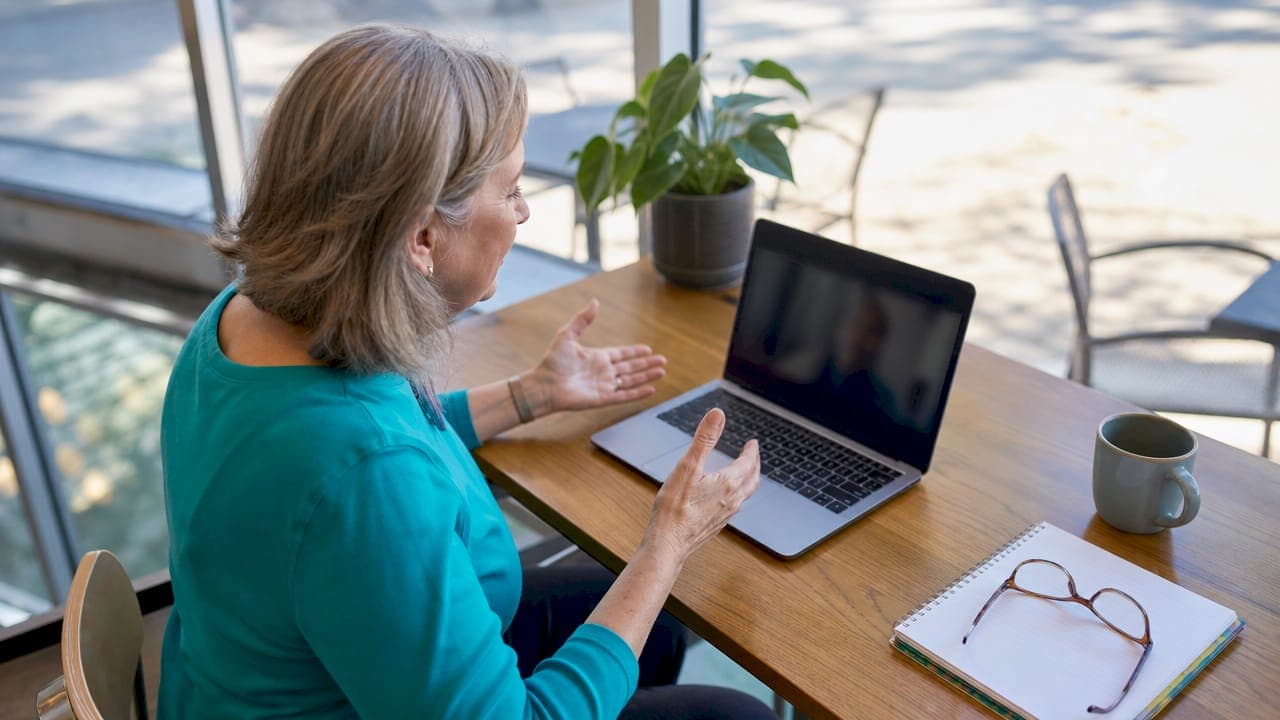
The most direct telehealth benefit for adults living alone is this: you do not need someone to drive you, sit with you, or coordinate your schedule around yours. You connect from home, on your terms. That matters more than most people realize until they actually need care on a difficult day.
The evidence on outcomes is solid. A Cochrane review of 93 trials found that telehealth reduced systolic blood pressure by 4.33 mmHg compared to usual care, a meaningful result for the millions of older adults managing hypertension alone. The same body of research shows telehealth reduced hospitalizations by 15.6% in studied conditions. Fewer hospitalizations means fewer crises, fewer recovery periods alone, and less disruption to the independent life you have built.
The American Medical Association describes telehealth as a lifeline for continuity of care, preventing the costly acute health events that often follow gaps in treatment. For solo agers, a gap in care is not just a medical risk. It is a practical one. Missing a follow-up when you have no one to remind you or take you can quietly compound into something much harder to manage.
Here is what the data shows about specific benefits:
- Satisfaction is high. 87% of telehealth users reported high satisfaction in 2023 survey data, which means the experience itself is working for most people.
- Emergency visits drop. Telehealth use is linked to 28% fewer emergency department visits when used promptly. For someone living alone, avoiding an ER trip is not just a cost saving. It is a safety win.
- Mental health access improves. Medicare beneficiaries made approximately 60 million telehealth visits annually between 2021 and 2023, with a significant share for mental health. Therapy and counseling are now available without a commute, which removes one of the biggest reasons people put off getting support.
- Chronic disease management gets steadier. Conditions like diabetes, heart disease, and COPD benefit from regular check-ins. Telehealth makes those check-ins easier to keep.
What technology challenges do solo adults face with telehealth?
The honest answer is that telehealth works best when the technology does not get in the way. For many solo adults over 50, that is exactly where things break down. Digital literacy, internet access, and usability are the three most documented barriers for older adults. Recognizing them is the first step to working around them.
Internet access is not a small issue. Research shows the odds of telehealth use more than doubled with reliable internet access. If your connection is slow or inconsistent, that is not a personal failing. It is a structural gap that affects millions of people in rural and lower-income areas. Exploring options like Lifeline, a federal program offering discounted broadband, or asking your local library about free Wi-Fi access points is worth the effort.
For the technology itself, simpler is better. Platforms like Teladoc Health, MDLive, and Amazon Clinic have invested in cleaner interfaces, but not all telehealth tools are built with older adults in mind. When evaluating a platform, look for large text options, phone-only alternatives, and clear instructions that do not assume you already know how to use video software. Agingsolo's guide on tech tools for independence walks through practical options that fit different comfort levels.
Here is what to look for when choosing a platform:
- Phone-only option. Not every visit needs video. A platform that offers phone consultations gives you a fallback.
- Simple login process. Multi-step authentication is frustrating. Look for platforms with straightforward access.
- Clear privacy policy. Your health data is sensitive. Read who the platform shares it with before signing up.
- Integration with your existing doctor. The best platforms send visit notes directly to your primary care physician.
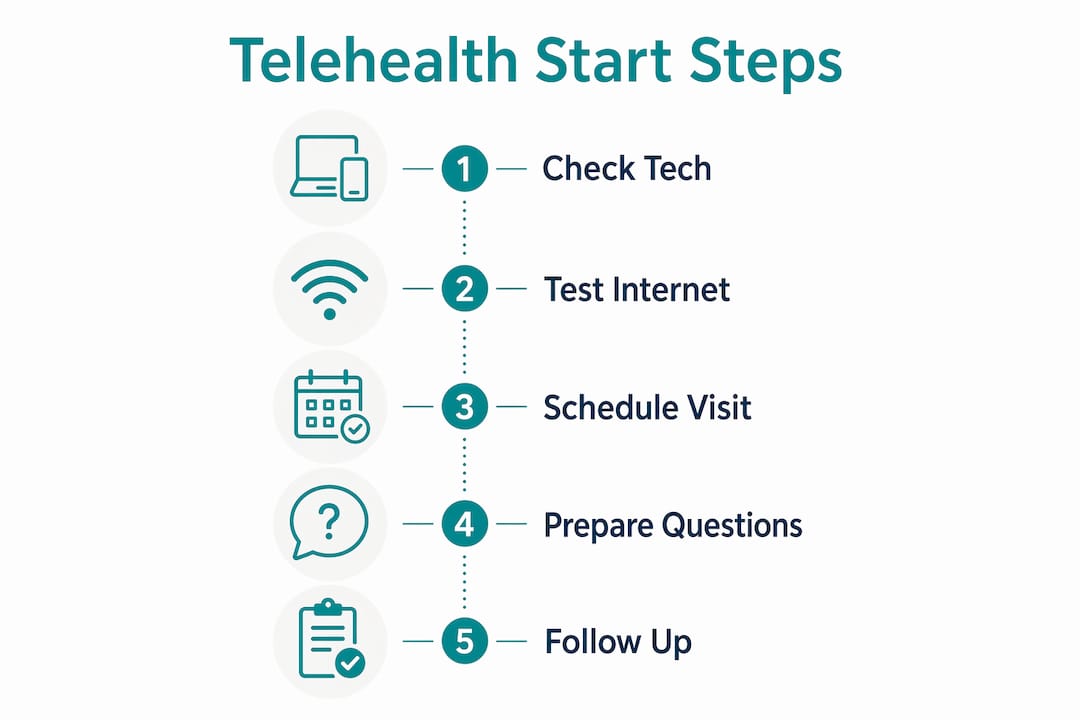
Pro Tip: Before your first telehealth visit, do a test run. Call the platform's support line, confirm your audio and camera work, and write down the login steps. Doing this once removes the stress from every visit after.
Synchronous, asynchronous, or hybrid: which model fits you?
The industry term for the different ways telehealth is delivered is "modality." Understanding the three main ones helps you choose what actually fits your life.
| Modality | How it works | Best for | Watch out for |
|---|---|---|---|
| Synchronous | Live video or phone call with a provider | Urgent concerns, mental health, follow-ups | Requires stable internet and scheduling |
| Asynchronous | Secure messaging, apps, or pre-recorded symptom reports | Prescription refills, non-urgent questions | Slower response times, less personal |
| Hybrid | Combination of in-person and virtual visits | Chronic disease management, ongoing care | Requires coordination between providers |
Research on hybrid telehealth models shows that older adults consistently prefer them over single-modality approaches. Hybrid models offer flexibility without cutting the human connection that makes healthcare feel safe. For solo agers specifically, the hybrid approach also addresses something the data does not always capture: the value of still seeing your doctor in person at least occasionally, so that someone who knows you physically is part of your care.
Asynchronous tools like symptom-tracking apps and secure patient portals, including MyChart and the portals offered through most major health systems, are genuinely useful for managing ongoing conditions. You can log symptoms, request refills, and review test results without scheduling a call. The limitation is that these tools work best as a supplement, not a replacement, for real conversations with your care team.
Pro Tip: If you manage more than one chronic condition, ask your primary care physician to be the central coordinator for all your telehealth visits. This prevents the fragmentation that happens when different specialists are using different platforms with no shared record.
Telehealth also addresses social isolation in a way that is easy to overlook. Regular virtual check-ins with a care team create a steady rhythm of human contact. That is not a small thing when you live alone.
How to integrate telehealth into your solo healthcare routine
Getting started is simpler than it sounds. The goal is to build telehealth into your existing care plan, not to replace what is already working.
-
Confirm your insurance coverage first. Medicare covers many telehealth services, including mental health visits and chronic care management. Call your plan directly and ask what is covered, what requires a copay, and whether your current providers offer virtual visits.
-
Choose one platform and stick with it. Jumping between services fragments your records. Pick a platform your primary care physician already uses or recommends. If your doctor uses a health system portal like Epic's MyChart, start there.
-
Understand when telehealth is appropriate. Telehealth works well for medication reviews, mental health sessions, follow-up visits, and managing stable chronic conditions. It is not the right tool for chest pain, a fall, or any symptom that needs a physical exam. Knowing the difference keeps you safe.
-
Protect your health records. Subscription telehealth platforms can limit your access to visit notes if you cancel. Before subscribing, confirm that records can be exported or shared with your primary physician. Interoperable electronic health record systems are the standard to look for.
-
Schedule regular virtual check-ins. Well-designed telehealth workflows improve guideline adherence and reduce missed appointments. Treat your telehealth visits with the same commitment as in-person ones. Put them in your calendar. Set a reminder the day before.
-
Keep a simple health log. Before each visit, write down your current medications, any new symptoms, and questions you want to ask. This is especially useful when you do not have a family member attending visits with you to help remember details.
Agingsolo's guide on aging at home independently pairs well with these steps, covering the broader picture of staying safe and self-sufficient.
Key takeaways
Telehealth is most effective for solo adults when used as a hybrid tool that supplements in-person care, not as a standalone replacement.
| Point | Details |
|---|---|
| Telehealth reduces real risks | Hospitalizations drop 15.6% and ER visits drop 28% with consistent telehealth use. |
| Hybrid models work best | Older adults prefer combining virtual and in-person care for flexibility and continuity. |
| Internet access is the key barrier | Reliable broadband more than doubles the likelihood of telehealth adoption among older adults. |
| Record ownership matters | Confirm your health data can be exported before subscribing to any telehealth platform. |
| Routine use drives results | Scheduling regular virtual check-ins improves adherence and reduces gaps in chronic care management. |
Telehealth is a tool, not a replacement for connection
I have spent years watching solo agers navigate healthcare systems that were not designed with them in mind. Telehealth changes that equation in real, practical ways. But I want to be honest about something the enthusiasm around virtual care sometimes glosses over.
Telehealth is not a substitute for being known by a doctor who has examined you, looked you in the eye, and built a relationship with you over time. The most effective telehealth outcomes come when virtual care is combined with professional guidance, caregiver support, and real-time feedback. That means the technology works best when it is part of a plan, not the whole plan.
What I find genuinely hopeful is the direction things are moving. Platforms are getting simpler. Medicare coverage is expanding. And the research is catching up to what solo agers already know: that convenience and quality are not opposites. You can get good care from your living room. You just need to be intentional about how you set it up.
The one thing I would push back on is the assumption that older adults are reluctant adopters. The data says otherwise. Millions of people over 65 are already using telehealth regularly and reporting high satisfaction. The barrier is not willingness. It is access, design, and information. Once those are addressed, most people take to it steadily.
— Mike
How Agingsolo can help you plan your healthcare approach
Telehealth is one piece of a larger picture. At Agingsolo, the focus is on helping you build a plan that holds together across all the areas of solo aging, including healthcare, housing, safety, and support networks. The Life Care Plans guide is a practical starting point if you want to think through your healthcare strategy in a structured way. It covers how to document your preferences, organize your providers, and prepare for situations where you may need more support. Pair that with the broader guide on growing old alone safely and you have a solid foundation for aging on your own terms, with telehealth as one of your most reliable tools.
FAQ
What is the role of telehealth for solo adults?
Telehealth gives solo adults direct access to medical and mental health care from home, removing the transportation and scheduling barriers that make in-person visits harder when you live alone. It supports chronic disease management, medication reviews, and mental health care without requiring a support person to coordinate visits.
Is telehealth as effective as in-person care for older adults?
For many conditions, yes. A Cochrane review of 93 trials showed telehealth produced measurable improvements in blood pressure and reduced hospitalizations by 15.6%. It works best as part of a hybrid model that includes occasional in-person visits.
Does Medicare cover telehealth visits?
Medicare covers a broad range of telehealth services, including mental health visits and chronic care management. Coverage expanded significantly after 2020, and many of those expansions remain in place. Call your specific plan to confirm what is covered and what copays apply.
What should I watch out for with telehealth subscriptions?
Some subscription-based telehealth platforms restrict your access to visit records if you cancel. Before signing up, confirm that your health data can be exported or shared with your primary care physician. Interoperable electronic health record systems are the standard to prioritize.
How do I choose the right telehealth platform?
Start with the platform your primary care physician already uses, such as a health system portal like MyChart. If your doctor does not offer virtual visits, look for platforms with phone-only options, simple login processes, and clear privacy policies that explain how your data is shared.