
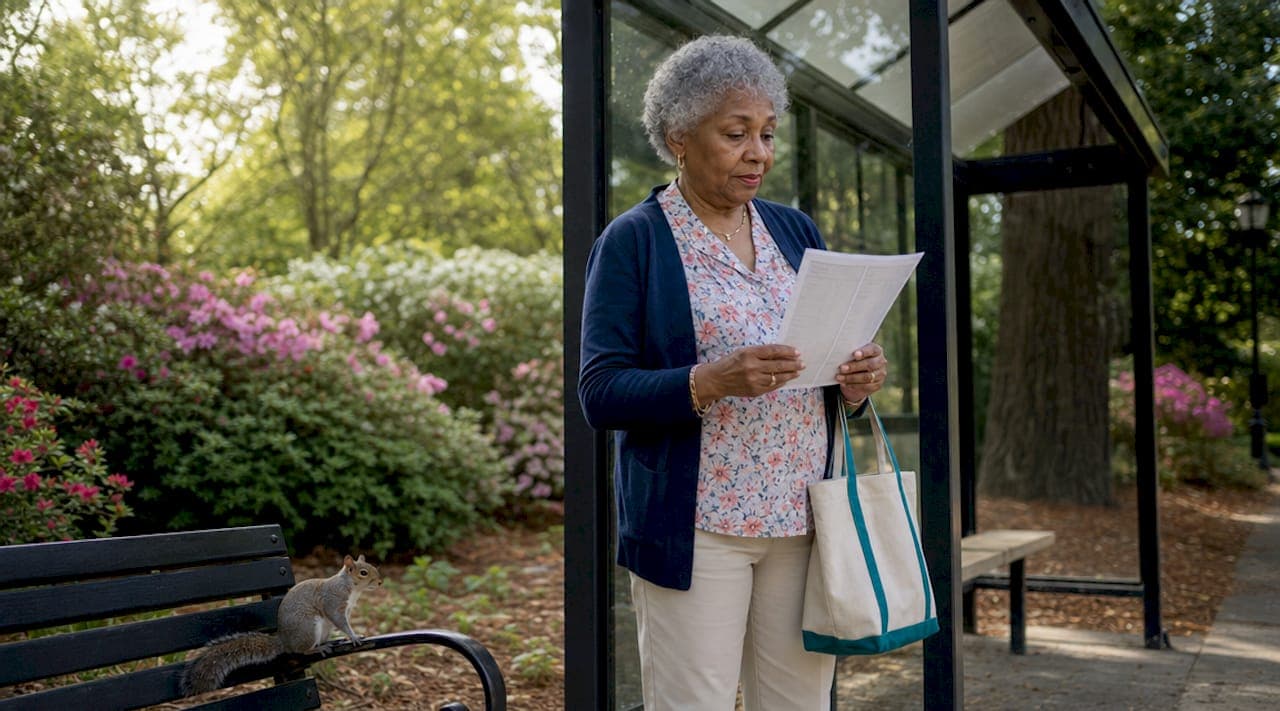
TL;DR:
- Over 25% of adults aged 65 and older no longer drive, making multi-layered transportation plans essential for independence. These include affordable options like public transit, volunteer programs, specialized door-through-door services, and Medicaid-covered medical trips to ensure reliable access. Building a diverse, proactively registered combination of transportation solutions helps solo agers stay mobile, safe, and self-sufficient.
Transportation options for aging adults living alone span public buses, paratransit, volunteer driver programs, specialized door-through-door services, and phone-based ride booking. Over 25% of adults 65 and older no longer drive, which means relying on a single solution is a real risk. That statistic matters because it confirms that building a layered, backup-ready plan is not optional for solo agers. It is the difference between getting to a doctor's appointment and missing it. This guide covers every major option, what each costs, and how to combine them so you stay mobile and independent on your own terms.
1. Public transit and paratransit: your lowest-cost foundation
Public buses and paratransit services form the most affordable layer of senior transportation services. Fixed-route buses typically cost $1 to $2 per trip, and most transit agencies offer reduced senior fares. That low price point makes public transit the right starting point for any solo ager building a transportation plan.
Paratransit is the federally mandated, door-to-door alternative for people whose disabilities prevent them from using fixed-route buses. The Americans with Disabilities Act requires transit agencies to provide paratransit within three-quarters of a mile of any fixed bus route. Eligibility requires a functional assessment, so apply early since processing can take several weeks.
Microtransit is a newer variation worth knowing. Services like Via or locally operated on-demand shuttles let you book a shared ride through a phone call or app, often at a subsidized rate. Several Area Agencies on Aging operate their own community senior shuttles for grocery runs and medical trips at little or no cost.
- Fixed-route buses: $1 to $2 per trip with senior discount cards available at most transit agencies
- Paratransit: Curb-to-curb pickup for ADA-eligible riders; apply through your local transit authority
- Microtransit: On-demand shared rides, often bookable by phone, covering gaps between fixed routes
- Community senior shuttles: Operated by Area Agencies on Aging or local nonprofits, often free for qualifying residents
Pro Tip: Register for paratransit before you need it urgently. The eligibility process takes time, and having it in place gives you a reliable backup the moment your driving situation changes.
2. Volunteer driver programs and faith-based networks
Volunteer driver programs offer something public transit cannot: a real person who knows your name and helps you from your front door to your destination. Many programs run through faith communities, local nonprofits, or national organizations like ITNAmerica. Rides are often free or ask only for a small donation.
The personal touch matters more than people expect. A volunteer driver can wait with you at a pharmacy, carry your bags, and check that you get back inside safely. For solo agers without nearby family, that kind of steady human presence is genuinely reassuring.
Volunteer transportation programs face persistent driver shortages, and availability varies significantly across communities. Solo agers should treat volunteer rides as a supplement, not a primary plan.
That honest reality shapes how you should use these programs. They work beautifully for planned, non-urgent errands like a weekly grocery trip or a scheduled haircut. They are not reliable enough for time-sensitive medical appointments where a no-show creates a real problem.
- Best uses: Grocery shopping, social outings, pharmacy pickups, and routine errands
- How to find them: Contact your local Area Agency on Aging, 211 helpline, or your faith community's pastoral care team
- What to ask upfront: How far in advance must you book? Is there a service area limit? Are medical trips covered?
- Backup plan: Always pair a volunteer ride with a paid alternative for any appointment you cannot afford to miss
3. Specialized and private transportation with door-through-door support
Specialized senior transportation companies provide the highest level of physical support available outside of a medical transport vehicle. Door-through-door service means a driver comes inside your home, assists you to the vehicle, and escorts you all the way to your destination seat. That is meaningfully different from curb-to-curb service, where the driver simply waits at the street.
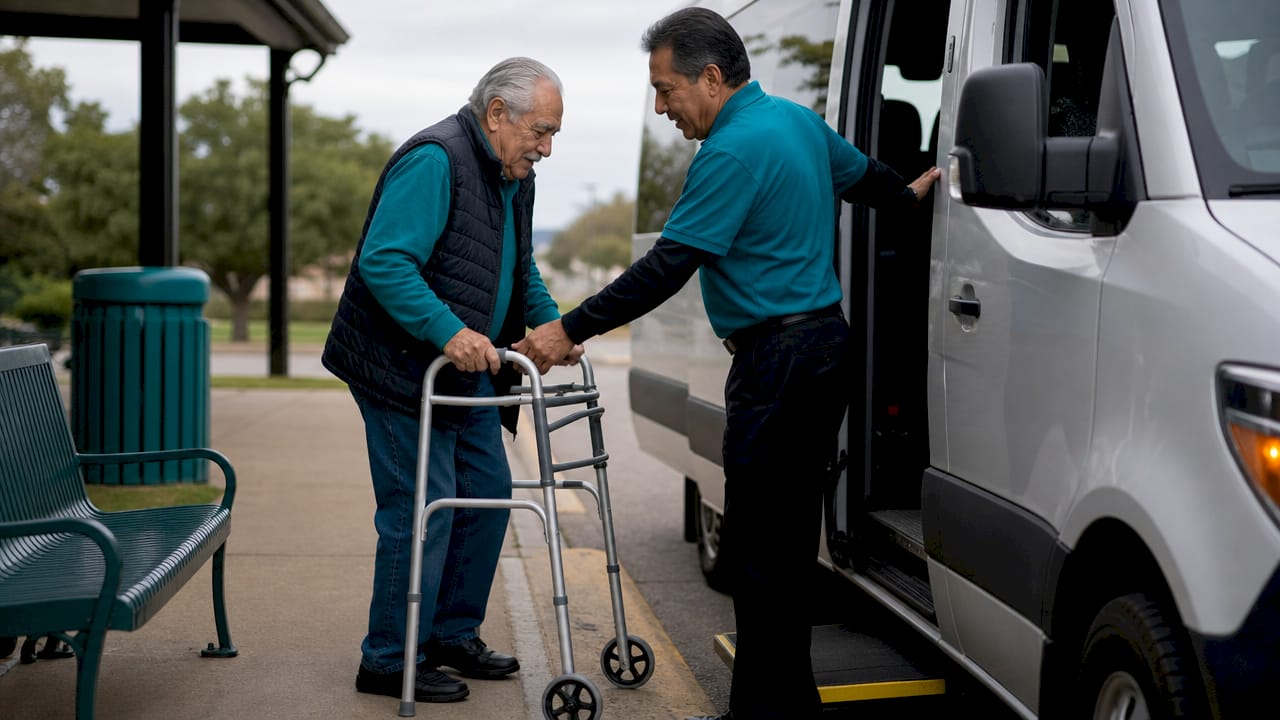
For solo agers with mobility challenges, balance concerns, or cognitive changes, door-through-door service reduces fall risk and travel anxiety in ways that standard rideshare cannot match. Companies like Tootl Transport and SafeMedTrans specialize in this model.
Here is what to expect from the booking process:
- Register in advance. Most specialized services require you to book 24 to 72 hours ahead and provide trip details including destination, mobility equipment, and any medical considerations.
- Confirm your mobility needs. Tell the service whether you use a walker, wheelchair, or cane so the right vehicle is dispatched.
- Ask about cancellation policies. Most services require notice of at least a few hours to avoid a fee.
- Inquire about same-day availability. Some providers hold limited same-day slots depending on driver capacity.
- Verify the on-time record. Reputable specialized services maintain a 98% on-time rate and drivers typically wait five minutes at pickup.
Private home aide drivers, arranged through agencies like Helping Hands Home Care, typically charge $20 to $29 per hour. That cost is higher than public transit, but it includes a trained companion who can assist with more than just the ride.
4. Phone-based ride booking for seniors without smartphones
Not every older adult is comfortable with a smartphone, and that should not limit your access to rideshare. GoGoGrandparent solves this directly. You call a single phone number, and a live concierge books an Uber or Lyft ride on your behalf. No app, no touchscreen, no account setup required.
GoGoGrandparent offers 24/7 phone-based booking, pre-programmable pickup locations, and ride monitoring so a designated contact can track your trip. That last feature is particularly valuable for solo agers who want someone to know they arrived safely without having to make a separate call.
Uber and Lyft themselves have also made adjustments for older riders. Uber offers a feature called Uber for Seniors through some partner programs, and Lyft has worked with health systems to provide non-emergency medical rides. Availability varies by region, so check what is active in your area.
- GoGoGrandparent: Call-in booking for Uber and Lyft, 24/7, with ride monitoring and caregiver notifications
- Lyft Concierge: Used by some healthcare providers to book rides for patients without smartphones
- Local senior ride programs: Many transit agencies and nonprofits offer phone-in booking as a standard option
Pro Tip: Give GoGoGrandparent your three most common destinations, like your doctor's office, grocery store, and pharmacy, as pre-saved locations. Booking then takes under two minutes by phone.
Assistive mobility devices also play a role here. Smart rollators now include navigation aids, emergency call buttons, environmental detection, and voice control. Pairing one with your transportation plan means you arrive at your destination and move safely once you get there. You can learn more about tools like these in Agingsolo's guide to technology for aging solo.
5. Medicaid and insurance-covered medical transportation
Medicaid's Non-Emergency Medical Transportation program, known as NEMT, covers rides to and from medical appointments for eligible enrollees. Dual Special Needs Plans, or D-SNPs, also include transportation benefits for qualifying Medicare and Medicaid recipients. This is one of the most underused benefits available to solo agers.
Solo agers need to check eligibility proactively because 80% of family caregivers typically handle transportation for older adults. Without that built-in support, knowing your NEMT rights becomes a practical necessity, not a backup plan.
To access NEMT, contact your state Medicaid office or call the member services number on your insurance card. Trips must be scheduled in advance and are generally limited to medical appointments. They do not cover grocery runs or social outings, so pair NEMT with other options for full coverage.
6. How to choose the right mix of transportation options
The most reliable approach combines volunteer, public, and private services rather than depending on any single one. Think of it as building a real safety net with multiple layers, so if one option falls through, another catches you.
Use this comparison to match each option to your situation:
| Option | Cost | Best for | Limitation |
|---|---|---|---|
| Public transit / paratransit | $1 to $2 per trip | Regular, predictable trips | Requires mobility to access stops |
| Volunteer driver programs | Free or donation | Planned errands and social trips | Inconsistent availability |
| Specialized door-through-door | $20 to $29 per hour | Mobility challenges, medical visits | Requires advance booking |
| Phone-based rideshare (GoGoGrandparent) | Rideshare rates plus service fee | Flexible, on-demand trips | Cost adds up with frequent use |
| Medicaid NEMT | Free for eligible enrollees | Medical appointments only | Limited to healthcare trips |
Your geography shapes your options significantly. Urban areas offer more public transit and rideshare coverage. Rural solo agers often rely more heavily on volunteer programs and specialized services, which makes early registration with multiple providers even more important.
Register for paratransit and any local senior shuttle programs now, even if you do not need them yet. Waiting until a health change forces the issue means scrambling during a stressful time. Agingsolo's guide to aging in place safely covers how transportation fits into a broader independence plan.
Key takeaways
A layered transportation plan combining public transit, volunteer rides, and at least one paid or specialized service gives solo agers the most reliable access to daily life and healthcare.
| Point | Details |
|---|---|
| Register early | Apply for paratransit and senior shuttle programs before a health change forces urgency. |
| Layer your options | Combine free volunteer rides with paid services so one gap does not strand you. |
| Know your NEMT rights | Medicaid NEMT covers medical trips for eligible enrollees and is widely underused. |
| Door-through-door matters | Specialized services reduce fall risk and travel anxiety for those with mobility needs. |
| Technology fills gaps | GoGoGrandparent and smart rollators extend access for seniors without smartphones or mobility aids. |
What I've learned about transportation and real independence
I have talked with a lot of solo agers who assume they will figure out transportation when the time comes. That plan almost always creates a crisis instead of a solution. The moment driving stops, the gap feels enormous, and scrambling to find options under pressure is exhausting and sometimes unsafe.
What actually works is treating transportation like any other part of your independence plan. You would not wait until a fall to think about grab bars. The same logic applies here. Register for paratransit now. Find your local volunteer driver program. Save GoGoGrandparent's number in your phone today, even if you drive perfectly well.
The other thing I have seen people underestimate is how much the type of service matters, not just the availability. Curb-to-curb sounds fine until you are managing a walker on an icy sidewalk alone. Door-through-door service is not a luxury for people with mobility challenges. It is a safety decision.
Volunteer programs are genuinely wonderful, and I do not want to discourage anyone from using them. But I have seen too many people build their entire plan around a volunteer network that then had a driver shortage. Use them for what they do well. Pair them with something more reliable for anything time-sensitive.
The goal is not to have one perfect solution. It is to have enough options that losing one does not leave you stuck.
— Mike
How Agingsolo helps you plan for independent living

Getting around is one of the most practical parts of staying independent as you age alone. Agingsolo brings together guides, checklists, and real-world tools built specifically for solo agers who are planning ahead without a built-in support system. The aging in place guide covers transportation planning alongside housing, safety, and daily living in one clear resource. If you want a steady, realistic plan for staying mobile and independent, that is the right place to start. You can also explore maintaining independence at home for practical next steps tailored to solo agers.
FAQ
What are the most affordable transportation options for seniors?
Public transit costs $1 to $2 per trip with senior discounts, and volunteer driver programs often provide free rides for non-medical errands. Medicaid NEMT covers medical trips at no cost for eligible enrollees.
How do seniors without smartphones book a rideshare?
GoGoGrandparent lets you book Uber or Lyft rides by calling a single phone number, with no app or smartphone required. The service operates 24/7 and includes ride monitoring for added safety.
What is the difference between curb-to-curb and door-through-door service?
Curb-to-curb means the driver waits at the street, while door-through-door service includes physical assistance from inside your home all the way to your destination seat. Door-through-door is the safer choice for anyone with mobility or balance challenges.
How far in advance do you need to book specialized senior transportation?
Most specialized senior transportation services require booking 24 to 72 hours in advance, along with details about your mobility needs and destination. Some providers hold limited same-day availability depending on driver capacity.
How can solo agers build a reliable transportation plan?
The most reliable approach combines public transit or paratransit, a volunteer driver program, and at least one paid or specialized service. Registering for multiple options before you need them prevents gaps when your situation changes.
Recommended
- Growing Old Alone: How to Stay Safe, Connected, and Independent as a Solo Ager | Aging Solo
- Living Alone Financial Safety Checklist for Adults 50+ | Aging Solo
- How to Stay Active and Independent While Aging Alone | Aging Solo
- Aging in Place: A Solo Ager's Guide to Safety and Independence | Aging Solo