

A cognitive fitness practice is a deliberate, repeatable routine of lifestyle habits and mental exercises that keep your brain skills sharp: attention, memory, processing speed, and the executive control that lets you plan and follow through. Think of it as strength training for your thinking, not a single game or app, but a set of habits working together.
The practices that actually move the needle fall into a handful of categories. If your routine doesn't touch most of these, it's incomplete:
- Physical activity — movement that gets your heart rate up and blood flowing to your brain
- Sleep — consistent, restorative rest your brain uses to consolidate memory
- Nutrition — food patterns linked to lower risk of cognitive decline
- Stress and emotional regulation — calming an overactive nervous system that steals focus
- Social engagement — conversation and connection that exercise multiple brain systems at once
- Targeted mental training — new, challenging learning that pushes past your comfort zone
Here's the part most people skip: brain games alone don't cut it. According to Harvard Health, cognitive fitness is a multi-faceted capacity best built through a combination of exercise, sleep, nutrition, stress management, and social connection working together, not any one of them in isolation. Real-world transfer, the kind that helps you remember names, follow a recipe, or navigate a new app, requires variety and progressive challenge, not repetition of the same puzzle every morning.
Key Takeaways
A cognitive fitness practice works when it combines physical activity, sleep, nutrition, stress management, social connection, and progressively challenging mental training, sustained over months rather than days.
| Point | Details |
|---|---|
| Move a moderate amount of time per week | Split moderate-intensity activity across most days; even short walks help immediately. |
| Protect an optimal amount of sleep | Keep a consistent bedtime; treat loud snoring or daytime exhaustion as a signal to see a doctor. |
| Choose variety over repetition | Mix physical, social, and learning challenges; single-task brain games show weak real-world transfer. |
| Build in social routines | Schedule calls, classes, or volunteer shifts, especially if you live alone. |
| Watch for red flags | Sudden confusion, new neurological symptoms, or repeated falls need prompt medical evaluation. |
Next step: Schedule a 10-minute walk today, followed by one 10-minute focused mental exercise, and put both on your calendar as a recurring daily block.
Table of Contents
- What Cognitive Fitness Actually Trains
- How Much Exercise Does Your Brain Actually Need?
- What Foods Actually Support Brain Health?
- How Much Sleep Does Your Brain Need to Function Well?
- Can Managing Stress Really Improve How You Think?
- Why Does Staying Social Count as Brain Training?
- Does Learning a New Skill Beat Brain-Training Apps?
- Simple Exercises You Can Try Today
- Building a Weekly Cognitive Fitness Routine That Actually Sticks
- When Should You See a Doctor About Cognitive Changes?
- Adapting Your Cognitive Fitness Practice When You're Aging Alone
- Why I Think Cognitive Fitness Should Be Treated Like a Daily Habit, Not a Project
- Sources
- FAQ
What Cognitive Fitness Actually Trains
Cognitive fitness targets specific, measurable mental skills rather than a single number. The core domains include:
- Attention — your ability to focus and filter out distraction
- Working memory — holding and manipulating information in the moment (like doing mental math or following multi-step directions)
- Processing speed — how quickly you take in and respond to information
- Executive function — planning, decision-making, and self-control
- Verbal reasoning — organizing and expressing thoughts clearly
This is fundamentally different from IQ. An IQ score is a relatively fixed, static measure of general intelligence. Cognitive fitness is a functional capacity, more like a fitness level than a fixed trait, and it responds to what you do with your days. You can have a high IQ and still struggle with attention or working memory if you're sleep-deprived, isolated, or chronically stressed. You can also be an average test-taker with a remarkably sharp, resilient mind because you've built habits that support it.
The reason this works comes down to neuroplasticity, your brain's ability to reorganize itself and form new neural connections throughout life, not just in childhood. A formalized cognitive fitness framework even borrows language from physical training, describing phases like a foundational "cognitive gym," readiness, and recovery. That framework matters because it reframes brain health as something you train in cycles, not something you either have or don't.
How Much Exercise Does Your Brain Actually Need?
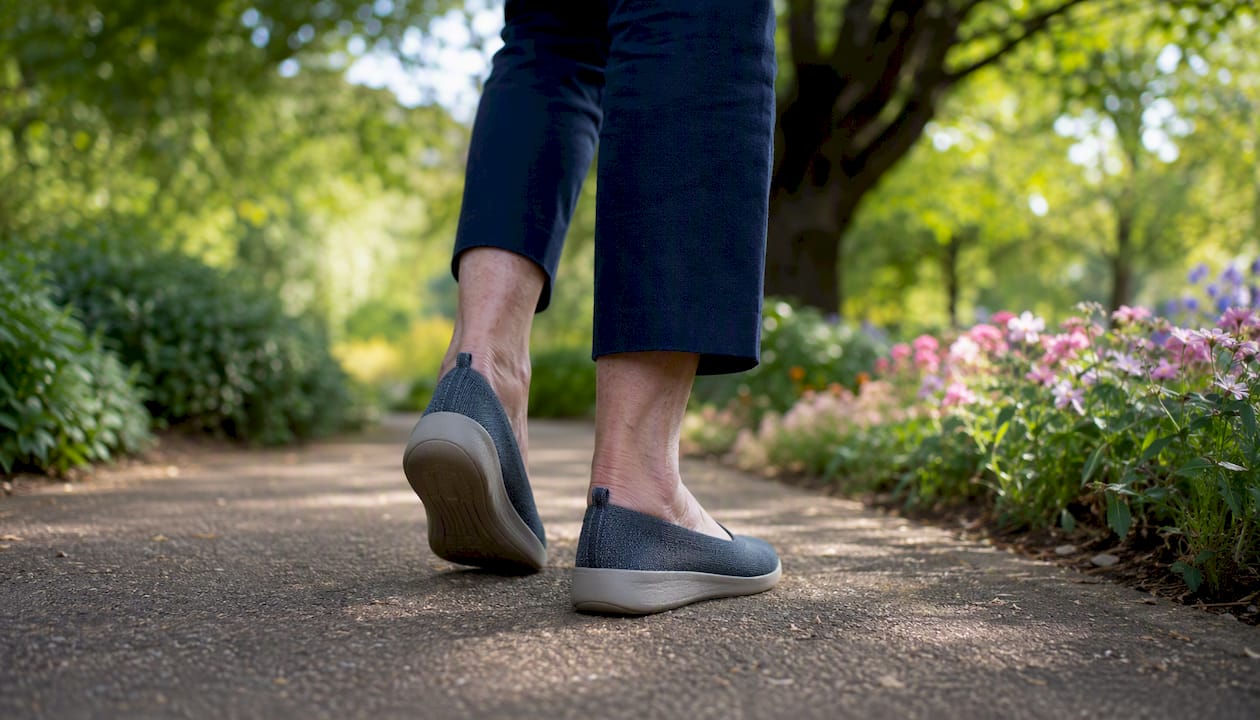
Move your body regularly each week at moderate intensity, and you're doing more for your brain than any puzzle app can manage. The CDC sets this weekly target as the baseline for cognitive benefit, and the encouraging part is that even a single short walk gives your brain an immediate boost in function.
Not all movement affects the brain the same way, but variety seems to matter more than any one "best" exercise:
| Activity Type | Example | Primary Brain Benefit |
|---|---|---|
| Aerobic | Brisk walking, swimming | Increases blood flow and oxygen delivery |
| Rhythmic/coordinated | Dancing, tai chi | Combines physical and cognitive challenge |
| Resistance training | Bodyweight squats, light weights | Supports metabolic and vascular health |
| Balance-focused | Standing yoga, single-leg stands | Reduces fall risk, engages attention |
Aerobic exercise in particular raises levels of BDNF, a protein that supports the growth of new neurons, and sustained programs are associated with increased volume in brain regions tied to memory, according to Harvard Health. That volume change tends to show up after months of consistency, not days.
You don't need a gym membership to start. Sit-to-stand repetitions from a kitchen chair, a daily walking loop around your block, or dancing in your living room while you cook all count. Track minutes with a basic phone app or a paper calendar; what matters is the weekly total, not the intensity of any one session.
Pro Tip: Pair movement with something novel, like a new walking route or a podcast on an unfamiliar topic. Combining physical activity with new information seems to compound the cognitive benefit rather than just adding it up.
What Foods Actually Support Brain Health?
Your plate matters almost as much as your workout. The dietary pattern with the strongest evidence behind it is Mediterranean-style eating, built around vegetables, whole grains, fish, nuts, and healthy oils, according to Harvard's Nutrition Source. This isn't a rigid diet plan; it's a pattern you can adapt to what's already in your kitchen.
A few swaps make this approachable rather than overwhelming:
- Swap butter for olive oil when sautéing vegetables
- Replace one red-meat dinner a week with baked salmon or another fatty fish
- Snack on a small handful of walnuts or almonds instead of chips
- Choose whole grain bread or brown rice over refined white versions
- Add a side salad or steamed greens to lunch, not just dinner
Supplements marketed for "brain health" are a mixed bag, and some interact with medications common in adults over 50. If you're considering fish oil, ginkgo, or a multivitamin specifically for cognition, check with your doctor or pharmacist first, especially if you take blood thinners or blood pressure medication.
How Much Sleep Does Your Brain Need to Function Well?
Aim for about seven hours a night. Research out of the University of Cambridge found that this amount of sleep appears to be optimal in middle and older age, with both shorter and notably longer sleep associated with worse cognitive performance. Sleep is when your brain consolidates the day's memories and clears out metabolic waste, so skimping on it directly undercuts every other habit on this list.
| Sleep Habit | Why It Helps |
|---|---|
| Consistent bed and wake time | Stabilizes your circadian rhythm, easing sleep onset |
| No screens 30 minutes before bed | Reduces blue-light interference with melatonin |
| Cool, dark, quiet bedroom | Supports deeper, less fragmented sleep stages |
| Limit caffeine after early afternoon | Prevents delayed sleep onset |
Some sleep problems need more than better habits. Watch for fragmented sleep that leaves you exhausted despite enough hours in bed, loud snoring paired with gasping, or persistent daytime sleepiness that interferes with daily tasks. These can point to sleep apnea or another treatable disorder, and they're worth raising with your doctor rather than working around indefinitely.
Can Managing Stress Really Improve How You Think?
Chronic stress narrows attention and floods your system with cortisol, which interferes with memory formation over time. Managing it isn't a soft, optional add-on to cognitive fitness; it's one of the more direct levers you have.

A few approaches have consistent support: mindfulness meditation, tai chi, slow diaphragmatic breathing, and behavioral activation (deliberately scheduling small, enjoyable, or meaningful activities when you're feeling low). None of these require special equipment, and most take less than fifteen minutes.
There's a line worth naming clearly. If low mood, anxiety, or apathy persist for weeks and start affecting your sleep, appetite, or ability to concentrate, that's a mental health concern, not just "stress," and it deserves professional attention. Depression and anxiety both measurably impair memory and attention, so treating them is itself a cognitive fitness intervention.
Pro Tip: When you feel a stress spike coming on, try the "double exhale": breathe in for four counts, then exhale slowly for eight. Ninety seconds of this is often enough to shift your nervous system out of fight-or-flight and back into a state where you can actually think clearly.
Why Does Staying Social Count as Brain Training?
Conversation is a workout you might not think of as one. Following a group discussion, tracking who said what, reading tone and body language, and formulating a response all fire attention, memory, and perspective-taking simultaneously. Kaiser Permanente notes that social interaction trains multiple cognitive systems at once, which is part of why isolation tends to correlate with faster cognitive decline.
Low-barrier ways to build this in:
- Join a weekly book club, card game group, or community class
- Take on a volunteer role with regular, scheduled shifts
- Schedule a standing phone or video call with a friend or family member
- Sign up for a small-group class (cooking, art, exercise) rather than a solo activity
There's an environmental layer here too. Some research associates living near green space with better cognitive outcomes, suggesting that a walk in a park with a friend may do double duty, according to Boston University.
Does Learning a New Skill Beat Brain-Training Apps?
Learning something genuinely new, a language, an instrument, a complex hobby like chess or dance, tends to outperform app-based brain games for real-world benefit. Healthline points to language learning, musical instruments, and even switching to your non-dominant hand for routine tasks as effective ways to encourage new neural pathways.
Computerized brain-training programs aren't worthless, but a review from the University of Illinois found only mixed evidence that gains on the trained game transfer to everyday life. You get better at the game. That doesn't reliably mean you get better at remembering your grocery list or navigating an unfamiliar city. The fix is pairing any structured training with varied, progressively harder real-world tasks rather than relying on the app alone.
A sample week that mixes novel learning with real challenge might look like: two 20-minute language app sessions, one 30-minute music practice, one new recipe cooked from scratch, and one unfamiliar walking route navigated without GPS. Small, varied, and slightly uncomfortable is the formula that seems to work best.
Simple Exercises You Can Try Today
You don't need special equipment for most of these. A short list to rotate through during the week:
- Brush your teeth or eat a meal using your non-dominant hand
- Take a "dual-task walk": walk while counting backward from 100 by sevens
- Do a 2-minute focused-attention meditation (just notice your breath)
- Try a word-retrieval challenge: name 15 items in a category (fruits, tools) in one minute
- Cook a new recipe you've never made before
- Read a paragraph aloud, then summarize it from memory
- Play a card game that requires tracking multiple hands (bridge, gin rummy)
- Learn ten new words in a language you don't speak
- Draw a map of your neighborhood from memory, then check it
- Have a phone conversation without a script or notes on hand
Two ready-to-use routines:
10-minute daily micro-routine: 2 minutes of focused-attention meditation, 5 minutes of a language app, 3 minutes of a word-retrieval or memory challenge.
30-minute weekly deep-practice session: 15 minutes learning a new skill (instrument, craft, recipe), 10 minutes of a dual-task walk, 5 minutes writing a short reflection on what felt hard.
Pro Tip: Log these in a simple notebook or a habit-tracking app, marking only whether you did it, not how well. Motivation follows visible streaks more reliably than it follows performance scores.
Building a Weekly Cognitive Fitness Routine That Actually Sticks
A sustainable practice needs structure without becoming a chore. Here's a realistic weekly balance:
- 3 to 5 days: 30 minutes of moderate physical activity (walking, swimming, dancing)
- Daily: 7 hours of consistent sleep, protected by a fixed bedtime
- 2 to 3 times a week: a social activity, whether a class, call, or shared meal
- Daily: 10 minutes of novel mental challenge (the micro-routine above)
- Weekly: one deeper learning session (30+ minutes on a new skill)
Habit formation works better with small hooks than big intentions. Try implementation intentions ("After I pour my morning coffee, I'll do my 2-minute meditation"), habit stacking (attaching a new habit to an existing one), and starting tiny; a 5-minute walk beats a skipped 30-minute one every time. Consistency over months predicts results better than intensity in any given week, and measurable brain changes from exercise programs tend to show up around the six-month mark, not the six-day mark, according to Harvard Health.
Track a few simple markers: total activity minutes, average sleep hours, and a quick subjective focus rating (1 to 5) at the end of each day. You're looking for trend lines, not perfection.
When Should You See a Doctor About Cognitive Changes?
Most day-to-day forgetfulness, misplacing keys, blanking on a name, is normal and not a red flag. Certain patterns are different and deserve prompt medical attention:
- Sudden confusion or disorientation, especially if it comes on quickly
- Noticeable decline in memory or thinking that others around you have also noticed
- New neurological symptoms: slurred speech, numbness, vision changes, or difficulty walking
- Increased falls or a fall accompanied by a head injury
- Significant, out-of-character changes in mood, personality, or judgment
If any of these show up, start with your primary care provider, who can run an initial cognitive screening and rule out reversible causes like medication interactions, thyroid issues, or vitamin deficiencies. From there, a referral to neurology or neuropsychology may follow for more detailed testing. This guide, and any home routine, is not a substitute for that kind of clinical evaluation; it's a complement to it. When looking at any structured brain-fitness program, favor ones with medical, psychological, and rehabilitative expertise on the team, and be wary of anyone promising a cure, according to Harvard Health.
Adapting Your Cognitive Fitness Practice When You're Aging Alone
Building these habits solo, without a spouse or nearby family checking in, takes a slightly different approach. The habits are the same; the structure around them needs to be sturdier.
A few adaptations that make a real difference:
- Set up a buddy system with a friend or neighbor for regular walks or check-in calls, so social connection and accountability happen in the same conversation
- Schedule social calls on your calendar like appointments, not "if I have time" extras
- Choose safe home exercise alternatives (chair-based routines, resistance bands) on days when weather or mobility makes outdoor activity harder
- Join remote learning groups or virtual classes if getting to an in-person one is a barrier
Agingsolo built its self-care guide for adults over 50 and healthy routines resource around exactly this challenge: habits that hold up even when there's no one else reminding you to do them. If you want to see how safe movement fits into daily life without a workout partner, the guide on staying active while aging alone walks through specific options.
For readers who want this mapped to their exact situation, a 45-minute Solo Aging Clarity Session lets you talk through your current routine, your home setup, and your support network, then leave with a plan that's actually built for how you live, not a generic checklist. You can start with the foundational guide on what every solo ager needs to know and go from there.
Why I Think Cognitive Fitness Should Be Treated Like a Daily Habit, Not a Project
I keep coming back to the exercise comparison because it's the one people actually understand. Nobody expects to do one gym session and stay strong for a decade. Yet we routinely expect a crossword puzzle or one meditation app download to "fix" our focus for good. It doesn't work that way, and honestly, the research backs up what your gut probably already tells you: this is a practice, not a purchase.
The hardest part isn't knowing what to do. It's the first two weeks, before any of it feels automatic. My honest suggestion: pick one thing from this guide, just one, like a 10-minute walk or the 2-minute focused-attention exercise, and do it at the same time every day for two weeks before adding anything else. Patience matters more than intensity here.
If you want a next step that goes beyond a single habit, Agingsolo's checklists and planning guides or a booked clarity session can help you build a fuller plan around it.
Sources
- A Guide to Cognitive Fitness - Harvard Health
- Physical Activity Boosts Brain Health | CDC
- Review finds little evidence that brain-training games yield real-world benefits — University of Illinois News
- Living in areas with more greenery may boost cognitive function — Boston University
FAQ
What are some examples of cognitive exercises?
Non-dominant-hand tasks, dual-task walks (walking while counting backward), focused-attention meditation, word-retrieval challenges, and learning a new language or instrument all qualify as effective cognitive exercises.
What hobby reduces dementia risk?
Complex, socially engaging hobbies like dancing, playing a musical instrument, or learning a new language are consistently linked to better cognitive outcomes, largely because they combine physical, mental, and social challenge at once.
What are the core cognitive skills a fitness practice trains?
A cognitive fitness practice targets attention, working memory, processing speed, executive function, and verbal reasoning, the functional skills that let you plan, focus, and communicate day to day.
What are some examples of cognitive training?
Effective cognitive training includes learning a new language, practicing an instrument, progressive computerized brain-training paired with real-world tasks, and structured programs that mix novel challenge with regular practice.
Is cognitive fitness the same as intelligence or IQ?
No. IQ measures a relatively fixed general intelligence score, while cognitive fitness is a functional, trainable capacity that responds to sleep, exercise, nutrition, stress, and mental challenge.