
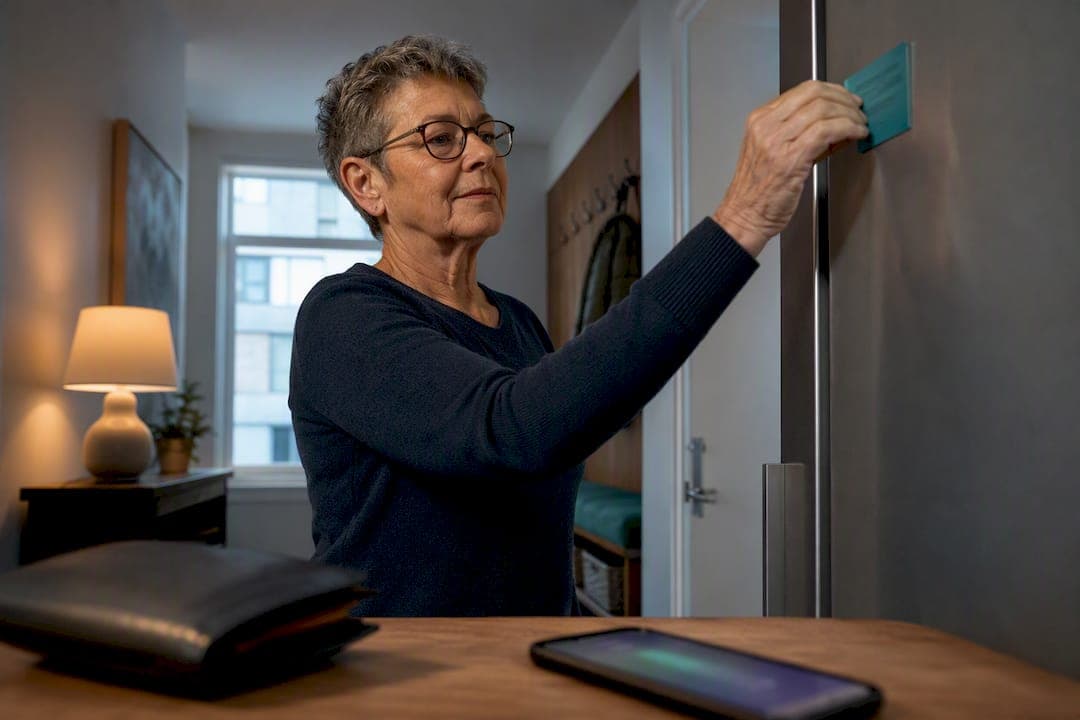
An emergency contact plan is a simple, written record of who to call, meet, or notify if something goes wrong, kept in more than one place so it works even if your phone doesn't. The one thing to do right now: gather a few trusted contacts including someone who lives out of town, write them down, and put a copy on your fridge and in your wallet. That redundancy, digital, printed, and posted, is what actually makes a plan useful in the moment; see this mental health care checklist for the first appointment for a practical example of storing important information both digitally and in print.
TL;DR:
- An emergency contact list should include full names, relationships, two phone numbers, preferred contact methods, and relevant medical or language notes, with an out-of-town contact as a communication hub.
- Store your plan in multiple formats, such as your phone's emergency info, a paper card, and a secure digital backup, and review or update it every six to twelve months.
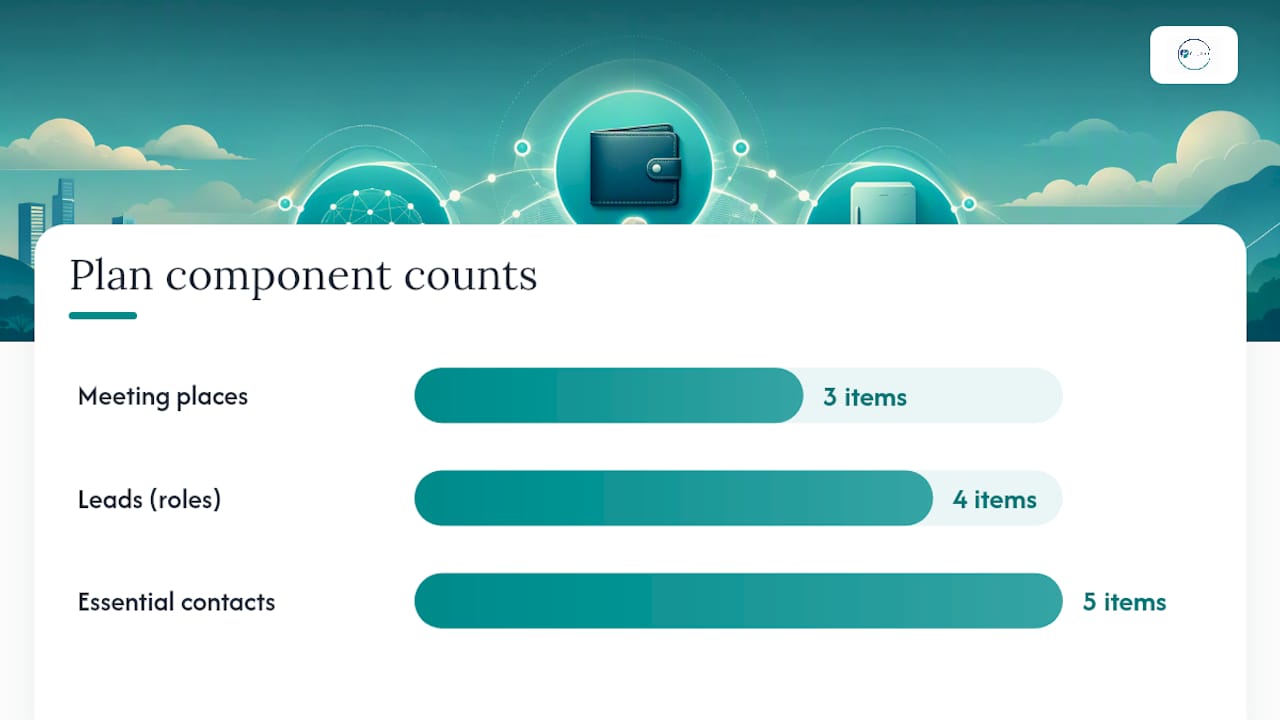
- Establish three concrete meeting spots: outside your home, a neighborhood landmark, and an out-of-town location, considering accessibility and transportation needs.
- Practice your plan at least twice a year, including quick quarterly checks of contact information and full drills like texting your out-of-town contact or visiting your meeting point.
- Keep a visible paper copy on the refrigerator and carry a wallet-sized card, as first responders are trained to check these locations for critical information during emergencies.
Table of Contents
- What Belongs on Your Emergency Contact List
- Where to Store the Plan So It's There When You Need It
- Meeting Places, Evacuation Basics, and Who Does What
- How Often to Practice and Update Your Plan
- What Independence Actually Looks Like With a Plan in Place
- How Aging Solo Helps You Put This Into Practice
- Sources
- FAQ
What Belongs on Your Emergency Contact List
A good emergency contact list doesn't need to be complicated. It needs to be accurate, current, and easy for someone else to read in a hurry, including someone who isn't you.
For each person on the list, capture the basics: name, relationship, primary phone, alternate phone, email, and their preferred way to be reached. If they manage any of your care or medications, note that too, along with the language they speak if it isn't English.
Who should actually be on it? Think in layers: household members first, then a close neighbor, a caregiver if you have one, your doctor and pharmacy, a veterinarian if you have a pet, and, critically, one out-of-town contact who can act as a communication hub when local phone lines jam.
- Name, relationship, and how they know you
- Primary and alternate phone numbers
- Preferred contact method (call, text, email)
- Medical notes relevant to your care
- Language spoken, if different from your own
Rank your top three as "ICE 1, 2, 3," the same shorthand paramedics look for on a locked phone screen. And always ask before you list someone. A quick conversation now saves confusion later, and it lets your contacts know what you'd expect from them.
Pro Tip: Keep two versions of your list: a public one on the fridge with just names and numbers, and a private, secure one (digital or locked drawer) with medical details and account information.
Where to Store the Plan So It's There When You Need It
A plan only helps if someone can find it. Phones die, get locked, or get left behind, which is why Johns Hopkins Medicine recommends keeping information in more than one format rather than trusting a single device.
Start with your phone. On an iPhone, the Medical ID inside the Health app shows on the lock screen without a passcode. On Android, it's usually under Emergency Information in Safety settings. Either way, include your ICE contacts, allergies, medications, and any conditions responders should know immediately.
- Set up Medical ID or Emergency Information on your phone, and review it every six to twelve months, since ICE guidance suggests this cadence keeps details current.
- Print a wallet-sized card using the Ready.gov family communication template and carry it where a wallet or purse normally goes.
- Post a second copy on the refrigerator, in plain sight.
- Keep an encrypted backup somewhere accessible to a trusted person, like a password manager shared entry or a locked cloud folder.
First responders are trained to check the refrigerator for exactly this kind of card when a phone is missing or dead. It's a low-tech habit that has outlasted every generation of smartphone. On the public fridge copy, skip anything sensitive like account numbers or full medical histories; save that detail for the private, secured version only.
Meeting Places, Evacuation Basics, and Who Does What
Every plan needs somewhere to regroup, and FEMA's guidance points to three levels of meeting spots: right outside your home, a nearby landmark in the neighborhood, and a location out of town in case the area itself isn't safe to return to.
Pick something concrete. "The mailbox at the end of the driveway" works better than "outside." For the neighborhood spot, a library or a well-known corner store gives everyone a shared reference point. For the out-of-town option, a relative's home a few hours away covers most regional emergencies.
Evacuation planning doesn't need to be elaborate, but it should account for mobility. If stairs, driving at night, or long walks aren't realistic for you, note an accessible route or a transportation contact ahead of time, not in the moment.
- Communicator: sends updates to the out-of-town hub
- Transportation lead: handles driving or arranging a ride
- Pet or caregiving lead: covers anyone or anything that can't self-evacuate
- Check-in lead: confirms everyone is accounted for
Keep 911, your utility company, poison control, your physician, and your pharmacy on the same list. You'll never have to search for them twice.
How Often to Practice and Update Your Plan
A plan that never gets tested is just a piece of paper. The American Red Cross recommends at least two full practice drills a year, with quick informal checks every few months in between.
- Every quarter, glance at the list and confirm numbers still work.
- Twice a year, run a real drill: text your out-of-town contact and see how fast they respond, or walk to your neighborhood meeting spot together.
- Update the plan immediately after any move, new medication, new caregiver, or phone number change.
If mobility or hearing is a factor, rehearse at the pace that actually works for you, not the pace a checklist assumes.
Pro Tip: Practice sending a text before you practice a call. Text messages often get through during network overload when voice calls can't, so drilling that habit matters as much as having the plan itself.
What Independence Actually Looks Like With a Plan in Place
Picture checking the card on your own fridge before heading out for a walk. Not because you're afraid something will happen, but because it's there, it's current, and it's one less thing occupying space in your head. That's what a good plan does. It doesn't replace your independence; it protects the room you've built for the rest of your life.
You're not creating this because you're alone. You're creating it because you're the one who gets to decide how your life runs, and a plan is just one more way of holding onto that. Aging Solo's living alone emergency planning guide walks through this at a pace that respects where you actually are, and The Buddy System gives you a daily rhythm of connection so your out-of-town contact isn't the only person who knows how you're doing.
— Mike
How Aging Solo Helps You Put This Into Practice
There are resources that offer guidance specifically for people managing this without a spouse, partner, or nearby family doing it alongside them. That's a real difference from a form you download and fill out alone, wondering if you got it right.
Start with a free downloadable checklist to organize your contacts and medical notes in one place, or explore The Buddy System for a daily check-in rhythm that doubles as your communication hub. For personalized guidance, some services offer sessions to walk through your specific situation, household, health notes, neighbors, and help you build a plan that fits your life instead of a template's assumptions. Visit the health and emergency planning hub to see what's available and book a session when you're ready.
Sources
- Ready
- Emergency Information Form — Johns Hopkins Medicine
- Prepare now to be safe during an emergency — American Red Cross
FAQ
What should an emergency contact list include?
At minimum, include names, relationships, primary and alternate phone numbers, preferred contact method, and any relevant medical notes for each person, plus one out-of-town contact who can relay information if local lines are jammed.
What are the key components of a family emergency plan?
A solid plan combines a contact list, an out-of-town communication hub, three meeting places, a way to document and store information in multiple formats, and a regular practice schedule.
How often should I practice my emergency contact plan?
Run quick checks quarterly and two full drills a year, testing a text relay through your out-of-town contact and a walk to your neighborhood meeting spot, per Red Cross guidance.
Can my emergency contact make medical decisions for me?
No. Being listed as an emergency contact does not grant legal authority to make medical decisions; that requires a medical power of attorney or advance directive set up separately.
Where's the safest place to keep a printed copy of my plan?
Keep one on the refrigerator, since first responders are trained to check there, and carry a wallet-sized version for whenever you're away from home.