
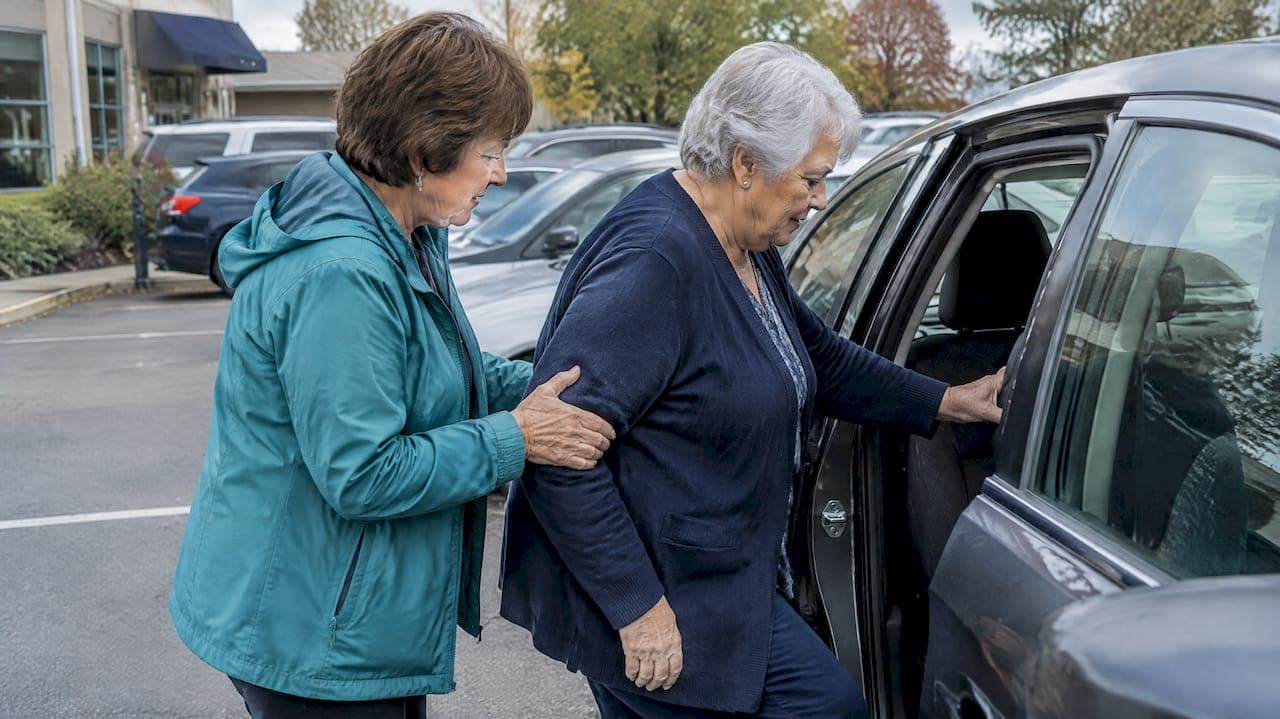
Yes, in some programs. State Medicaid self-directed waivers and VA Veteran-Directed Care often let the person receiving care hire and pay a trusted friend, but only if you qualify and your state allows it. Pay usually flows through the program's budget and a payroll intermediary, not as cash handed over. Your Area Agency on Aging, state Medicaid office, or VA social worker can tell you what exists near you.
TL;DR:
- Medicaid eligibility often depends on help with daily activities, while Veteran Directed Care may require nursing home level needs and VA approval.
- An approved service plan sets duties, rate, and budget; you or your representative remain the legal employer even when an FMS agent runs payroll.
- Friend eligibility can depend on relationship, household address, age, background checks, and training, so ask the program directly and request its answer in writing.
- The National Family Caregiver Support Program funds services such as counseling, training, and respite, but it generally does not put caregivers on payroll.
- Approval periods and reassessments vary by program, so ask about renewal dates and keep timesheets and service logs aligned with the approved plan.
Table of Contents
- How do Medicaid self-direction and Veteran-Directed Care let you hire a friend?
- Which programs commonly allow paying a friend, and who qualifies?
- What are the steps to pay a friend caregiver legally?
- Why do the rules change from state to state?
- How do you find out what's available in your county?
- Which friends can be paid, and which can't?
- How do you keep boundaries healthy when you pay a friend?
- How long do these programs last, and do you have to renew?
- How do you choose between programs for your situation?
- Where friendship and independence meet
- Want help mapping your options?
- FAQ
- Sources
How do Medicaid self-direction and Veteran-Directed Care let you hire a friend?
Picture your oldest friend stopping by on Thursday, as she often does. She's already driving you to appointments and sorting the pharmacy pickup. Somewhere along the way you wonder: could this be a real job, with real pay? In certain programs, it can be.
Under Medicaid, self-directed personal assistant services replace agency-assigned workers with a model you steer. Participants set provider qualifications, hire the people they choose, and decide pay within an approved budget. The emphasis is on trust and rapport, which is exactly what a long friendship already has.
The VA has its own version. Veteran-Directed Care gives a Veteran a flexible budget to hire personal care aides, including family or neighbors, and to buy approved goods and services. The VA Caribbean program page adds that the budget is set from the Veteran's needs with daily activities and that friends can be hired.
Here is how the money typically moves:
- A service plan and budget are approved for you.
- You hire your friend and agree on duties and an hourly rate within that budget.
- Your friend submits timesheets to a Financial Management Services (FMS) agent or payroll provider.
- The FMS handles wages, taxes, and employer paperwork.
One shift matters here. You, or your authorized representative, become the legal employer. That means hiring, training, supervising, and recordkeeping land with you. The same Medicaid page notes that FMS agents commonly handle payroll, taxes, and background checks, but they lighten the load rather than remove it.
Which programs commonly allow paying a friend, and who qualifies?
No single national program exists. Instead, a few main routes show up again and again:
- State Medicaid home and community based services (HCBS) waivers and consumer-directed programs. Program names and rules differ by state. Some allow paid friends or family for eligible recipients, and Medicaid is the place to see how states build them.
- VA Veteran-Directed Care. The VA is expanding the program toward nationwide availability for Veterans who need nursing home level care but prefer to stay home. VHA Notice 2024-01 lays out the clinical criteria, including nursing-home-level care or significant help with daily activities.
- VA Program of Comprehensive Assistance for Family Caregivers. For eligible caregivers, the VA Family Caregiver Assistance Program can provide a monthly stipend and other benefits. Enrollment takes a joint application and direct deposit setup.
- National Family Caregiver Support Program (NFCSP). This one generally does not put caregivers on a payroll. It funds information, access assistance, counseling and training, respite, and supplemental services, and you reach it through Area Agencies on Aging.
Common eligibility signals include needing help with daily activities such as bathing, dressing, or meals, a nursing-home level of care in some programs, and VA clinical and administrative criteria for Veterans. Because rules vary, treat these as clues to ask about, not a guarantee.
What are the steps to pay a friend caregiver legally?
Think of this as the path from "I'd like to pay her" to "she's paid, and it's all above board." Take it one phase at a time.
- Confirm which program fits. Call your state Medicaid office, your local Area Agency on Aging, or the VA social worker at your medical center. Ask which self-directed or consumer-directed option applies to you.
- Enroll and get your plan. You'll work with the program to build a person-centered service plan and an approved budget that allows hiring a friend.
- Hire and document. Complete the hiring forms, run background checks if the program requires them, and write a short care agreement tied to your service plan. Our guide on hiring a private caregiver safely covers agreements and safety checks, and our caregiver interview questions work even for a friend, since clear expectations protect the friendship.
- Set up payroll through the program's FMS or approved vendor. This is how taxes, withholding, and employer filings get handled correctly. If you're sorting out payroll on your own, this partner walkthrough of elder caregiver payroll steps explains the tax pitfalls families run into.
- Keep records. Timesheets, service logs, and correspondence should line up with the service plan, which helps you avoid overpayments or disputes later.
Pro Tip: Ask your FMS exactly which employer duties they handle and which stay with you, then keep a digital care binder with every timesheet, agreement, and email.
Why do the rules change from state to state?
Program names alone can be confusing. One state calls its model Consumer-Directed Services, another calls it a waiver, and a third runs a county-based program. Even within one state, counties may differ. Some states explicitly list paid family caregiving as allowed, while others restrict it.
A few models you may run into:
- Texas. Its Community First Choice pathways include a Consumer-Directed Services Model where individuals hire, train, manage, and fire attendants, with Financial Management Services handling payroll and employer supports. The same document shows that states vary in which consumer-direction features they offer.
- California. In-Home Supportive Services (IHSS) is the best-known program by name, and the state also runs other programs, such as CalAIM, that sit in the broader picture. Look up the current IHSS rules on your county's page.
- Everywhere else. Search for your state's Medicaid HCBS waiver or consumer-directed authority, and read how it treats friends and family.
Because many flexible options tie to specific waivers or pilots and may be county-limited, the local Area Agency on Aging is the most reliable way to learn what's open right now.
How do you find out what's available in your county?
Start with a few calls, in this order:
- Area Agency on Aging. Call or visit, and use the Eldercare Locator to find yours. It's the front door to the National Family Caregiver Support Program and local supports.
- State Medicaid office. Ask about your state's HCBS waiver and self-direction options, or browse Medicaid's self-directed services page.
- VA medical center social worker. If the care recipient is a Veteran, ask about Veteran-Directed Care and caregiver programs.
Before you dial, jot down four questions: What is the program called? Are paid friends or family allowed? How is payroll handled? What employer paperwork will I need?
Which friends can be paid, and which can't?
Not every friend qualifies in every program. Rules can turn on how a person is related to you, where they live, and what the program calls a permitted provider. Some programs bar a spouse or legally responsible relative from being paid, while a friend sits in a more flexible category. Others limit paid caregivers who live in the same household, or set rules about their age, background checks, and training.
The federal picture is changing in a helpful direction. ACL's 2024 update to its Older Americans Act regulations formally includes friends and neighbors in the definition of "family caregiver" for NFCSP purposes. That sets the tone for support services, though it doesn't turn NFCSP into a paycheck, and Medicaid and VA rules still govern who may be hired.
Residency can matter too. A program runs under a specific state or VA authority, so you generally must live where the program operates. Your friend may need to meet qualifications you and the program set, such as passing a background check or completing training. When you call, ask directly: "Can I hire a friend who is not a relative? Are there any limits on where they live or how they're related to me?" Get the answer in writing if you can.
How do you keep boundaries healthy when you pay a friend?
Money can quietly change a friendship. Maybe your friend feels she can't say no to an extra errand. Maybe you hold back a concern about her work because you don't want to hurt her. Naming this early makes it easier.
A few habits help. Keep the paid duties on paper, and keep unpaid friendship time separate: Thursday tea is tea, not a billable hour. Agree in advance on how either of you can raise a problem, and who has the final say on the schedule. Because you're the employer in a self-directed model, you may need to give feedback or even end the arrangement, and a plain, written agreement makes that conversation feel like business, not betrayal.

Conflicts of interest can also show up around money and decisions. If your friend also helps manage your finances or holds your power of attorney, tell your program coordinator, and keep timesheets that someone else can review. Transparency protects both of you. If it ever starts to feel like too much, a neutral third party, such as your plan coordinator or FMS contact, can help you reset.
How long do these programs last, and do you have to renew?
Most programs approve a service plan and budget for a set period, then review it. That review often includes a reassessment of your needs, and your budget can rise or fall with the result. Medicaid programs and VA programs each set their own timelines, so the length of approval depends on where you are and which program you're in.
What this means in practice: don't assume today's arrangement lasts forever. Ask at enrollment how often plans are renewed, what paperwork is required, and what happens if your needs change or you move. Keep your records current, because a smooth renewal depends on timesheets and service logs that match the plan.
Also ask what happens if the program ends or your friend can no longer work. Having a backup in mind before a gap appears keeps your care steady and spares the friendship from being the only safety net.
How do you choose between programs for your situation?
Begin with who you are and what you need. If you're a Veteran who needs significant help with daily activities, Veteran-Directed Care may fit, and the VA's decision aids can help you decide. If you aren't a Veteran, your state's Medicaid self-directed options are the likelier route, provided you meet its eligibility rules.
Then check local availability, since a great program on paper doesn't help if it isn't open in your county. Compare how each handles four things: whether friends can be hired, how much control you'd have over pay and schedule, who runs payroll, and how much employer work you'd carry yourself.

Think about your own comfort, too. Some people love managing a team of one. Others would rather hand most of the paperwork to an FMS or choose a program with more structure. A broader support planning guide can help you weigh options alongside everything else in your life. And remember you can start with one program while keeping others in view.
Where friendship and independence meet
Some afternoons I imagine two old friends at a kitchen table, tea going cold, one of them finally saying, "I'd feel better if you were paid for this." That sentence is a kindness, not a transaction. It says the help is worth something, and so is the friendship.
Two ideas make it hold. First, put a short agreement on paper that ties duties to the service plan and sets gentle boundaries. Second, line up a simple backup, whether respite or another paid helper, so no friendship carries a full-time load. Done well, this keeps you connected and on your own terms.
— Mike Crawford
Want help mapping your options?
Our Solo Aging Clarity Session is a one-on-one Zoom call for $97, and it's planning help, not a payroll service or a substitute for hiring one. It's for solo agers who want a clear head and a clear next step.
- Map the program options that may exist where you live
- Prepare the questions to ask Medicaid or the VA
- Draft a simple care agreement with a friend
Book your Solo Aging Clarity Session and walk into those calls ready.

This article is general information, not a substitute for advice from a qualified financial advisor. Consult a qualified financial professional about your own circumstances before acting on anything here.
FAQ
How do you pay a caregiver legally?
Pay runs through a program or payroll setup, not informal cash. In self-directed programs, you become the employer and a Financial Management Services agent usually handles wages, taxes, and filings, as Medicaid explains.
Can my mom pay me to be her caregiver?
It depends on the program and your state, and a parent paying a child can be treated differently from a friend. Some programs restrict paying certain relatives, so ask your Area Agency on Aging or state Medicaid office before you start.
Can I get paid to take care of a loved one in Missouri?
Possibly, through a state Medicaid self-directed option or, for Veterans, VA programs. Availability is state specific and can be county-limited, so start with your local Area Agency on Aging and your state Medicaid office to confirm what's open.
What can I do if caring for an elderly parent becomes too much?
Reach out for support early. The National Family Caregiver Support Program offers information, counseling, training, and respite through your Area Agency on Aging.
Sources
- Usa
- Self-Directed Personal Assistant Services 1915 (j) | Medicaid
- Veteran-Directed Care
- National Family Caregiver Support Program | ACL Administration for Community Living