
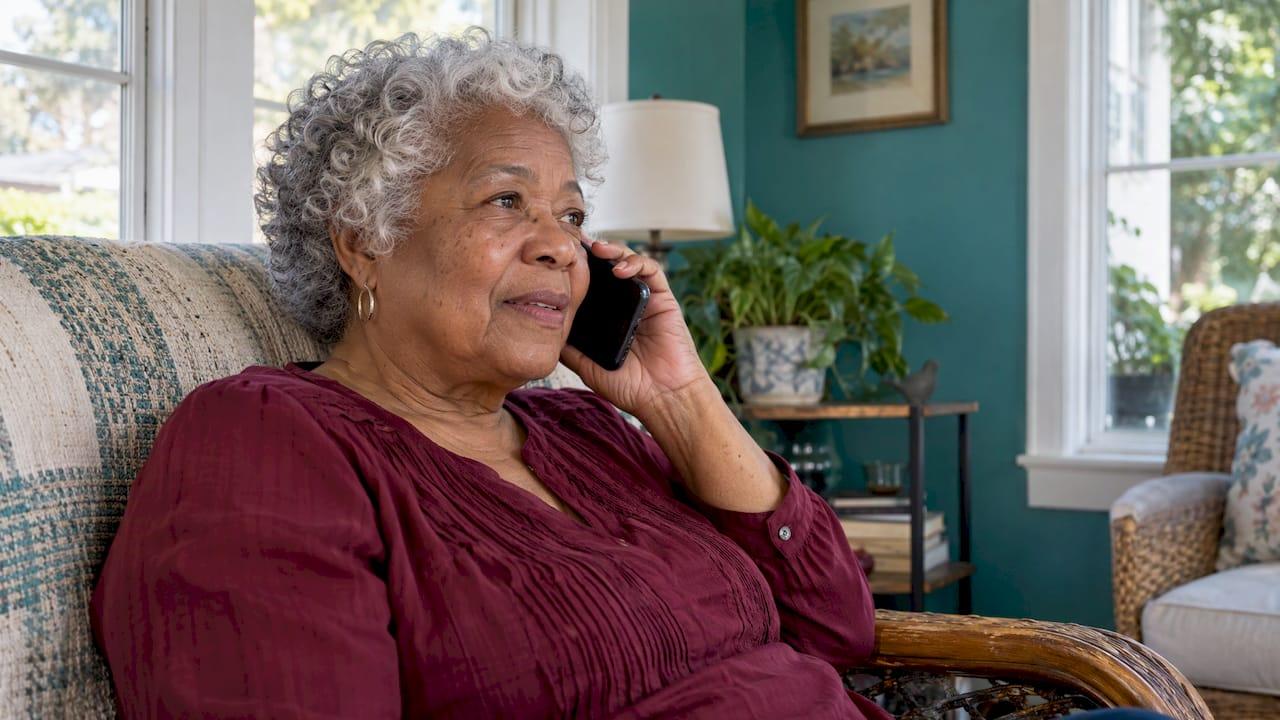
It's a Tuesday afternoon, and you're sitting in a waiting room with a clipboard-free hour ahead of you and nobody beside you. The receptionist asks for an emergency contact. You pause, smile, and give the name of a friend who lives three states away. Then the doctor walks in and calls you by the wrong name. That small moment tells you a lot. The right doctor isn't just a credential on a wall. For many of us who live on our own, a good doctor is one steady, familiar presence in a life we're running solo, and worth choosing with care.
The short answer: pick a primary care doctor who is board certified, takes your Medicare or Medicare Advantage plan, has real experience with older patients, and makes you feel heard. A family physician, an internist or a geriatrician can all be a good fit. What matters most is that you feel at ease asking the awkward question.
TL;DR
- Family physicians, internists and geriatricians all care for older adults. Choose by how complex your health is and how comfortable you feel, not by title alone.
- Check insurance first. Plans and networks limit your choices, and a doctor taking "Medicare" isn't the same as taking your specific plan.
- A short call to the office tells you a lot about how the practice treats patients, especially after-hours care and how you reach the doctor.
- Treat the first visit as a getting-to-know-you meeting. You're allowed to decide it isn't the right match and keep looking.
- Your doctor is one part of a wider circle of people who know you. It's worth building that circle around the life you enjoy.
Table of Contents
- Why this choice feels different when you live alone
- The kinds of doctors who care for older adults
- Start with how you want to feel in the room
- Check the practical side: Medicare, networks and board certification
- Make one phone call before you book
- Your first visit is a getting-to-know-you meeting
- A doctor is one person in a bigger circle
- When you'd like a thinking partner
- FAQ
- Sources
Why this choice feels different when you live alone
When you have a partner or grown children, someone else often listens in at appointments, remembers what the doctor said and notices when something is off. When you live alone, you carry more of that yourself. That isn't a problem to fear. It simply means you get to be choosy.
You're hiring a long-term partner in how you live. You want someone who remembers that you garden, travel, volunteer or take the early swim, and who wants to help you keep doing those things. The National Institute on Aging puts the idea plainly: you want a doctor you can talk to. That's the standard worth holding on to.
If you're thinking more broadly about living independently, our guide to independent aging for adults 50+ covers the wider picture of a full, self-directed life.
The kinds of doctors who care for older adults
People searching for a doctor often wonder whether they need a "senior doctor" at all. Here is the landscape.
MedlinePlus notes that you can choose among several types of primary care providers, including family practitioners, geriatricians, internists, and nurse practitioners or physician assistants. For older adults, the NIA says the doctors most often seen are family practitioners, internists or geriatricians. Even if you choose a family practitioner or internist, they may have plenty of experience with older patients. Johns Hopkins Medicine lists the same three.
Family physician
A family doctor sees patients of all ages. If you've had one for years, or you like the idea of a doctor who knows the wider picture of life, this can be a warm, long-lasting fit.
Internist
Internists focus on adult medicine. Many are very comfortable managing the ongoing conditions that often come with the decades after 50.
Geriatrician
Geriatricians specialize in older adults. The Cleveland Clinic explains that they usually focus on people over 65 with complex medical needs, and that they are typically internal medicine or family physicians with advanced training in geriatric medicine. The American Geriatrics Society describes them as physicians trained to evaluate and manage the unique needs and treatment preferences of older people, with a focus on well-being and independence.
That last phrase, independence, is worth noticing if you're a solo ager. A geriatrician's training is built around helping you keep living on your own terms. If you have several conditions, take several medications, or want someone who takes the big picture of your life into account, ask whether a geriatrician is available near you. If you're generally well, a family doctor or internist who enjoys older patients may suit you perfectly.
Nurse practitioners and physician assistants
Many practices pair doctors with nurse practitioners or physician assistants, and MedlinePlus counts them among the primary care choices. Some people love the extra access this brings. Ask how the practice divides visits so you know who you'll usually see.
Start with how you want to feel in the room
Before you open a directory, spend ten quiet minutes with a cup of tea and think about what you want. The NIA suggests listing the qualities that matter to you first. For example:
- Someone who explains things without hurrying you
- A doctor who asks about your life, not just your symptoms
- A practice where the front desk returns calls
- A location you can reach comfortably, by car, bus or ride
- A doctor who is comfortable with telehealth when a video visit makes sense
Johns Hopkins Medicine highlights the same sort of qualities: listening, communication, comfort with Medicare, a convenient and safe location, and training in conditions that come with aging.
There's no wrong answer. One reader may want brisk and efficient. Another may want someone who sits down and chats. Knowing which you are saves you from a mismatch later.
Communication matters across your whole care team, too, not only your main doctor. If you've ever avoided the dentist because you felt rushed or nervous, you'll recognize the value of a practice that explains things kindly. Preventive dental care is a good example of an area where a comfortable relationship keeps you coming back, which is the whole point.
What about a younger or older doctor?
People often ask this. There's no rule. A younger doctor may have trained recently and be at ease with patient portals and telehealth. An older one may offer decades of experience and a steady manner. What counts is experience with older adults, listening skills and whether you feel respected. Judge the person, not the birth year.
Check the practical side: Medicare, networks and board certification
This part is less romantic, but it saves a lot of frustration.
Does the doctor take your plan?
Not every doctor accepts every plan. MedlinePlus advises that many insurance plans limit which providers you can choose or give incentives to pick from a specific list, so check your coverage before you narrow your options. Medicare Interactive suggests asking whether the doctor is taking your insurance, noting that Original Medicare and Medicare Advantage work differently with "in-network" rules. Also ask whether the doctor is taking new patients and how easy it is to get an appointment.
A good wording for the office is: "I have [your exact plan name]. Are you in network, and are you accepting new patients?" Naming the exact plan matters, because the word "Medicare" alone can mean different things.
The Centers for Medicare & Medicare Services publishes comparison tools for doctors, facilities and plans, and notes you can check whether doctors accept the Medicare-approved amount as full payment. Your plan's own provider directory is another good place to start. Directories can be out of date, so a quick call to confirm is worth it.

Board certification
The NIA explains that board-certified doctors have extra training after medical school and have passed an exam certifying their expertise. The same page points to the AMA Doctor Finder and ABMS Certification Matters for looking a doctor up. Medicare Interactive also suggests asking whether the doctor is board certified and in what field.
Make one phone call before you book
The NIA recommends narrowing your list to two or three doctors and calling their offices. You can ask about education, qualifications, office policies and payment procedures, plus experience with older patients, communication, telehealth and involving family in decisions.
A call also lets you hear how people at the office treat you. MedlinePlus lists the friendliness of the staff, whether they return calls, convenient hours, and how easy it is to reach the provider, including by secure messaging through a patient portal.
If you live alone, a few questions become especially useful. The NIA's Questions to Ask Your Doctor worksheet suggests asking:
- How far ahead do I need to book appointments?
- What happens when I have an urgent problem?
- How do I reach the doctor in an emergency?
- Who covers after hours or when the doctor is away?
- Do you accept emailed questions, and is there a charge?
- How do I get my medical records?
The MSD Manual adds the question of how urgent problems at night or on weekends are handled, and how test results reach you.
Here's why these answers matter. When you live alone, you are your own messenger. A practice that sends results through a portal and answers messages quickly makes life smoother. Hearing a warm, clear answer on the phone is often all the reassurance you need.
What we believe about choosing a doctor
We hear from many people who've waited too long to find a doctor they like, because the process felt like one more thing to handle alone. We understand. Solo aging can be a rich, full life, and part of that is having people on your side who know you.
Our view is that a doctor is best thought of as a relationship, not a transaction. You bring your story, your preferences and the way you want to live. A good doctor brings knowledge and listens. Neither of you can do it alone.
We also believe the doctor doesn't have to be the only person who knows what matters to you. At Aging Solo Today, we help people build reliable support around them: friends who check in, a trusted person who can speak up if you can't, and clarity about your own wishes. When you've done that, walking into a doctor's office feels different. You aren't arriving empty-handed.
That is the heart of what we offer: guidance from someone who has lived this, helping you shape a life on your own terms.
Mike Crawford
Your first visit is a getting-to-know-you meeting
You don't have to commit after one appointment. Think of the first visit as a conversation where you're both finding out whether this fits.
The NIA suggests bringing a prioritized list of concerns, sharing your medical history along with former doctors' names and addresses so the new office can request records, and mentioning anything that has changed since your last visit, including medication changes. It also suggests asking the office to send you the medical history form beforehand, so you can fill it out at home without rushing. That's a kind gift to yourself: a calm kitchen table beats a crowded waiting room.
If you'd like a gentle walk-through, our short piece on preparing for a doctor's appointment as a solo older adult is made for exactly this.
After the visit, ask yourself a few things:
- Did I feel listened to?
- Did the doctor explain things in words I understood?
- Did I leave feeling more like myself, or less?
- Could I picture calling this office with a worry?
If the answers are mostly yes, you've found a keeper. If not, that's useful information, not a failure. Try the next name on your list.
A doctor is one person in a bigger circle
The best health care for a solo ager rarely comes from one person. It comes from a circle: a doctor you trust, a pharmacist who knows your face, a neighbor who waves, friends who laugh with you. Someone who can speak for you if you ever can't is part of that circle too, and our guide to choosing a health care proxy shows how to pick one and name a backup. A health advocate can also be a real comfort at bigger appointments.
None of this is about expecting the worst. It's about having people around you so you can spend your energy on the things you love: the book club, the trip you've been planning, the dinner out where you finally order dessert. If you want ideas for that side of life, our retirement lifestyle guide is a good place to wander.
When you'd like a thinking partner
Sometimes it helps to talk it through with someone who gets it. Our Solo Aging Clarity Session is a 45-minute Zoom conversation for $97, built around your situation as someone aging on your own. We founded Aging Solo Today on lived experience, and the session is a chance to sort out what matters to you and where you'd like more support, including how to build your circle of care.

You can book a Solo Aging Clarity Session whenever it suits you. And if you'd rather explore on your own first, our free checklists and resources are there to help.
FAQ
Do I need a geriatrician, or is a family doctor enough?
Many older adults do very well with a family physician or internist, especially if they are generally well. The Cleveland Clinic describes geriatricians as focused on older adults, particularly those over 65 with complex medical needs. If your health is more complicated, or you want someone whose training centers on aging and independence, ask whether a geriatrician is nearby.
Do all doctors accept Medicare?
No. Some doctors don't take new patients, and Medicare Advantage plans have networks. Medicare Interactive suggests asking directly whether the doctor takes your insurance and is accepting new patients. Name your exact plan when you call, and confirm before booking.
How do I find a doctor who is comfortable with older patients?
Start with your plan's directory, then narrow to two or three names. The NIA suggests calling the offices and asking about their experience with older patients and how they communicate. CMS also publishes doctor comparison tools you can use alongside your plan directory.
What if I don't click with my new doctor?
That's okay, and it's common. The first visit is a way to see if the match feels right. If you don't feel heard, you can go back to your list and try another office. A good fit is worth the extra effort.
What should I bring to a first appointment?
Bring your prioritized concerns, your medical history, the names and addresses of former doctors, and a note about any recent changes, including medications, as the NIA advises. Ask the office to send the history form ahead so you can fill it out at home.
Sources
- How To Choose a Doctor You Can Talk To, National Institute on Aging
- Choosing a primary care provider, MedlinePlus
- Elder Care, Johns Hopkins Medicine
- What Is a Geriatric Medicine Doctor or Geriatrician?, Cleveland Clinic
- Training For Geriatricians, American Geriatrics Society
- What to look for in a doctor, Medicare Interactive
- Find High-Quality Health Care Options, CMS
- Talking With Your Doctor Worksheet 2: Questions to Ask Your Doctor, NIA
- Making the Most of a Health Care Visit, MSD Manual
- How To Prepare for a Doctor's Appointment, NIA
- What Is Preventive Dental Care?, Florida Special Care Dentistry