
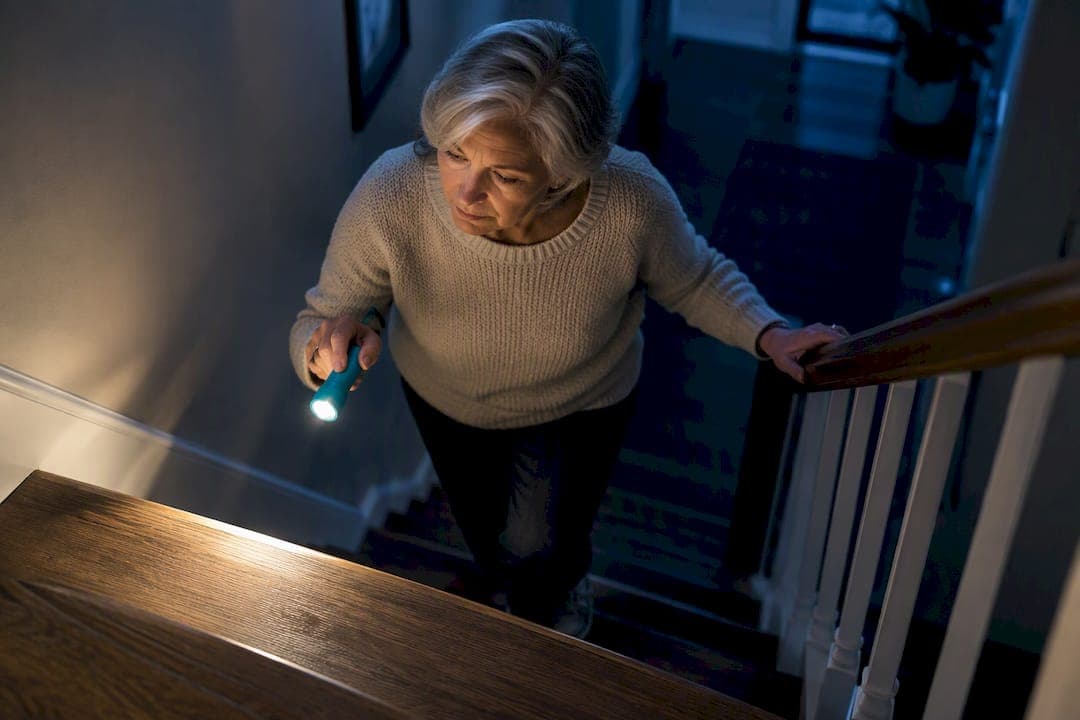
A home safety audit helps you spot the small, fixable things that lead to falls or injuries before they happen, and you can start tonight. Add brighter bulbs in hallways and stairwells, clear anything you might trip over from your walking paths, and check that your bathroom has something sturdy to hold onto. Those three moves alone cut a lot of risk. The room-by-room checklist below fills in the rest.
TL;DR:
- Most home hazards for older adults are simple and affordable to fix, such as securing rugs, improving lighting, and adding grab bars in bathrooms.
- Conducting a room-by-room walk-through simulates real tasks and highlights risks that only surface during daily movements, like standing or stepping.
- Prioritize quick fixes such as adding night lights, tightening handrails, and moving frequently used items to waist height before planning larger projects.
- A professional assessment is advisable after falls, health changes, or when using mobility aids, with Medicare often covering clinically necessary evaluations.
- Sharing your hazard list with a trusted person or clinician increases the likelihood of making effective, timely home safety improvements.
Table of Contents
- Room-by-room checks that actually catch hazards
- How to run the audit yourself, step by step
- Sorting fixes so you tackle what matters first
- When it's time to call in a professional
- Doing a remote check when you can't be there in person
- Checking medications as part of the walk-through
- Thinking honestly about what your body and mind can handle
- Sharing what you find with the people who care
- What this audit is really about
- Turning your audit into a plan with a Clarity Session
- Sources
- FAQ
Room-by-room checks that actually catch hazards
Walking through your home with fresh eyes, room by room, is how you find the things you've stopped noticing. More than half of falls among adults 65 and older happen inside the home, often during ordinary moments like getting up from a chair or stepping out of the shower. The good news is that most of these hazards have simple, affordable fixes.
Start in the living areas. Clutter, loose cords, and rugs without grip backing are the classics. Furniture that's too low can make sitting and standing harder on your knees and balance than it needs to be.
In the kitchen, the goal is keeping what you use most within easy reach so you're not climbing or stretching. A step stool with a handrail beats a wobbly chair every time, and any outlet near water should have GFCI protection.
The bathroom deserves the most attention, since it's where a lot of falls start. Non-slip mats, secure grab bars near the toilet and shower, and a shower seat can make a real difference. It's also worth setting your water heater to 120°F, a step CPSC recommends to help prevent scald burns.
- Bedroom: keep a phone or medical alert device within arm's reach, use a night light, and clear the path to the bathroom.
- Stairs and landings: install handrails on both sides, secure loose treads, and light the stairs evenly so no step disappears into shadow.
- Entry and exterior: level out uneven thresholds, add non-slip mats, light the walkway, and keep ice melt on hand once the weather turns.
For a deeper look at the household hazards that catch people off guard, this guide to common safety risks for solo agers walks through more examples room by room. And if bathrooms are your biggest worry, the bathroom upgrade guide goes deeper on grab bar placement and shower seat options.
Pro Tip: Do a nighttime walk-through with the lights off except what you'd normally use, since dark spots are much easier to spot after sundown than in daylight.
How to run the audit yourself, step by step
You don't need special training to do a thorough audit, just a method and a little time.
- Gather your tools. A flashlight, a tape measure, your phone camera, and the checklist above are enough. A second set of eyes helps, so ask a friend or family member to walk through with you if you can.
- Walk through and simulate real tasks. Sit down and stand up from your usual chairs. Carry a full cup of water across the kitchen. Step up and down a single stair. Hazards often only show up when you move the way you actually move day to day.
- Test and measure. Push on handrails to see if they wobble, note any room that feels dim even with the lights on, and check where your GFCI outlets are.
- Document and score. Sort what you find into three piles: do now, do soon, and monitor. Photograph anything you're not sure about so you can show it to a family member, contractor, or clinician later.
NIA recommends redoing this walk-through any time your mobility, vision, or health changes, and otherwise revisiting it every 6 to 12 months.
Fewer than half of older adults who fall tell their doctor about it, according to CDC's STEADI initiative, which means a lot of home hazards never get flagged until after an injury. Running your own audit closes that gap before it becomes a problem.
Sorting fixes so you tackle what matters first
Not every hazard needs to be fixed today, and trying to do everything at once is how good intentions stall out. Split your list into three buckets instead.
Do now covers anything cheap and fast: a night light, a rug you tape down or remove, a loose handrail you tighten this weekend. Do soon is for things that need a little planning, like buying a shower seat or scheduling a grab bar installation. Plan or monitor is for the bigger projects, a bathroom retrofit or a stair lift, that take budgeting and maybe outside help.
- Add night lights along the path from bed to bathroom.
- Secure or remove loose rugs and cords.
- Install grab bars near the toilet and shower.
- Tighten or repair any handrail that moves under pressure.
- Move frequently used items to waist height so you're not reaching or bending.
For bigger changes, your local Area Agency on Aging can point you toward financing help or community programs that cover part of the cost.
Pro Tip: Fix the cheapest, fastest items first. Momentum matters more than perfection, and a few quick wins make the bigger projects feel less daunting.
When it's time to call in a professional
Some situations call for more than a DIY walk-through, and that's not a failure, it's just the right tool for the job.
- After a fall, even a minor one, since it often signals something in the home or your body has changed.
- After a change in vision, balance, or memory, which can shift what's actually risky in a space that used to feel familiar.
- When your home layout is complicated or you're starting to use a cane, walker, or other mobility aid.
An occupational therapist brings something a checklist can't: a trained eye on how you specifically move through your specific home. NIA notes that occupational therapy assessments are considered the strongest option because they look at the fit between a person and their environment, not just a generic list of hazards, and they can document recommendations for funding or contractor work.
Medicare may cover a home safety evaluation when a clinician determines it's medically necessary. Ask your primary care provider for a referral and confirm your specific coverage before you book anything.
Doing a remote check when you can't be there in person
If you're supporting someone from a distance, a video walk-through is a reasonable first screen, especially if an occupational therapist has already given you specific things to look for.
- Ask for steady, wide shots of stairs, bathrooms, and any tight hallways rather than quick pans.
- Take still photos of anything questionable so you can zoom in later.
- Have the person perform a few simple movements on camera, like standing up from a chair or stepping into the shower.
Video has real limits. You can't test whether a handrail actually holds weight or how slick a floor gets when wet, so anything that looks even a little risky deserves an in-person follow-up.
Checking medications as part of the walk-through
A safety audit isn't only about rugs and railings. Medications are worth a look too, since side effects like dizziness or drowsiness can turn a manageable staircase into a real hazard.
While you're going room to room, take a few minutes to check where medications are stored and how they're organized. A cluttered medicine cabinet or a pile of half-labeled bottles makes it easy to take the wrong dose or skip one entirely. Good lighting near the storage spot matters too, since squinting to read a small label under a dim bulb is its own kind of risk.

CDC's STEADI guidance treats medication review as one part of a broader fall prevention plan, alongside home modifications and strength and balance work. If you're on several medications, especially ones for sleep, blood pressure, or anxiety, it's worth asking your pharmacist or doctor whether any combination increases your fall risk. That conversation belongs on your audit list just as much as a loose stair tread does.
Thinking honestly about what your body and mind can handle
A safety audit works best when it accounts for you, not just your house. The same rug that's harmless for one person can be genuinely dangerous for someone with slower reflexes or reduced peripheral vision, so it helps to be honest about where you're at.
Notice how your balance feels first thing in the morning versus later in the day. Pay attention to whether you're gripping railings more than you used to, or avoiding certain rooms because they feel harder to navigate. None of this is about labeling yourself as frail. It's about matching your home to how you actually move through the world right now, which might be different from how you moved through it five years ago.
This is also where memory and attention matter. If you've noticed yourself forgetting whether the stove is off or losing track of medication timing, those patterns matter as much as a loose stair tread. They're worth mentioning to a clinician, since cognitive changes often call for different safety solutions than physical ones alone.
Sharing what you find with the people who care
Once you've done the walk-through, don't let the list sit in a drawer. Sharing it, even with one person, makes it far more likely the fixes actually happen.
If you have a family member, close friend, or care manager in your corner, walk them through what you found and why it matters to you specifically. A short conversation, or even a text with photos attached, does the job. If a clinician is involved, bring your notes to the next appointment so they can weigh in on anything medical, like whether a new balance issue needs its own evaluation.
For solo agers without someone nearby to loop in automatically, this step takes a little more intention, but it's worth building the habit. A trusted friend, a neighbor, or even a primary care provider can serve as your sounding board. The guide to staying safe and independent while living alone has more on building that kind of support without giving up your independence.
What this audit is really about
I think about the small trip to the bathroom at 2 a.m., feeling for the wall in the dark, more than people realize. That moment isn't really about falling. It's about whether your home still feels like it's on your side.
A safety audit isn't a sign that something's wrong with how you're living. It's a way of making sure your home keeps up with you, so you can keep doing the things that make your life yours: cooking for yourself, sleeping through the night without worry, having people over without a second thought. Fixing a loose handrail isn't preparation for decline. It's an investment in the ordinary, good days ahead.
Share the checklist with a friend or a clinician if that feels right. You don't have to carry the whole thing alone.
— Mike
Turning your audit into a plan with a Clarity Session
Finding the hazards is one thing. Knowing exactly what to prioritize, who to call, and how to pace the fixes is another, and that's where a lot of solo agers get stuck without a second set of eyes.

A clarity session is a 45-minute consultation designed to help turn your audit findings into a prioritized plan you can follow. It's especially useful if you're navigating this without a spouse or nearby family member to talk it through with.
- Get help sorting your list into what to fix this week versus what can wait.
- Talk through which local resources or contractors might fit your situation.
- Leave with a plan instead of a pile of sticky notes.
The session costs $97 one time, no ongoing commitment. If you'd like a companion for the next step, book a Solo Aging Clarity Session.
This article is general information, not a substitute for advice from a qualified doctor. Consult a qualified healthcare professional about your own circumstances before acting on anything here.
Sources
- CPSC — Older Americans Are More Likely to Suffer Fatalities from Falls and Fire (report & checklist)
- NIA — Preventing falls at home: room by room
- CDC STEADI clinical resources
FAQ
What is a home safety assessment for seniors?
A home safety assessment is a structured walk-through of a home to spot hazards like poor lighting, loose rugs, or missing grab bars that raise the risk of falls or injury. It can be done informally using a room-by-room checklist or more formally by an occupational therapist who evaluates how a person moves through their specific space.
How often should an 82 year old shower?
There's no single medical rule for shower frequency at any age, since it depends on skin condition, mobility, and personal comfort rather than a fixed number. What matters more for safety is making sure the shower itself has grab bars, a non-slip surface, and a seat if standing for long periods feels unsteady.
Does Medicare cover home safety assessments?
Medicare may cover a home safety evaluation, often through occupational therapy, when a clinician determines it's medically necessary. Ask your primary care provider for a referral and confirm the specifics of your coverage before scheduling one.
How much does a safety audit cost?
A self-guided audit using a free checklist costs nothing beyond your time, while a professional occupational therapy evaluation typically involves a clinical visit that may be covered by Medicare when medically indicated. If you want personalized guidance turning your own audit into a plan, a Solo Aging Clarity Session costs $97 for a one-time 45-minute consultation.