
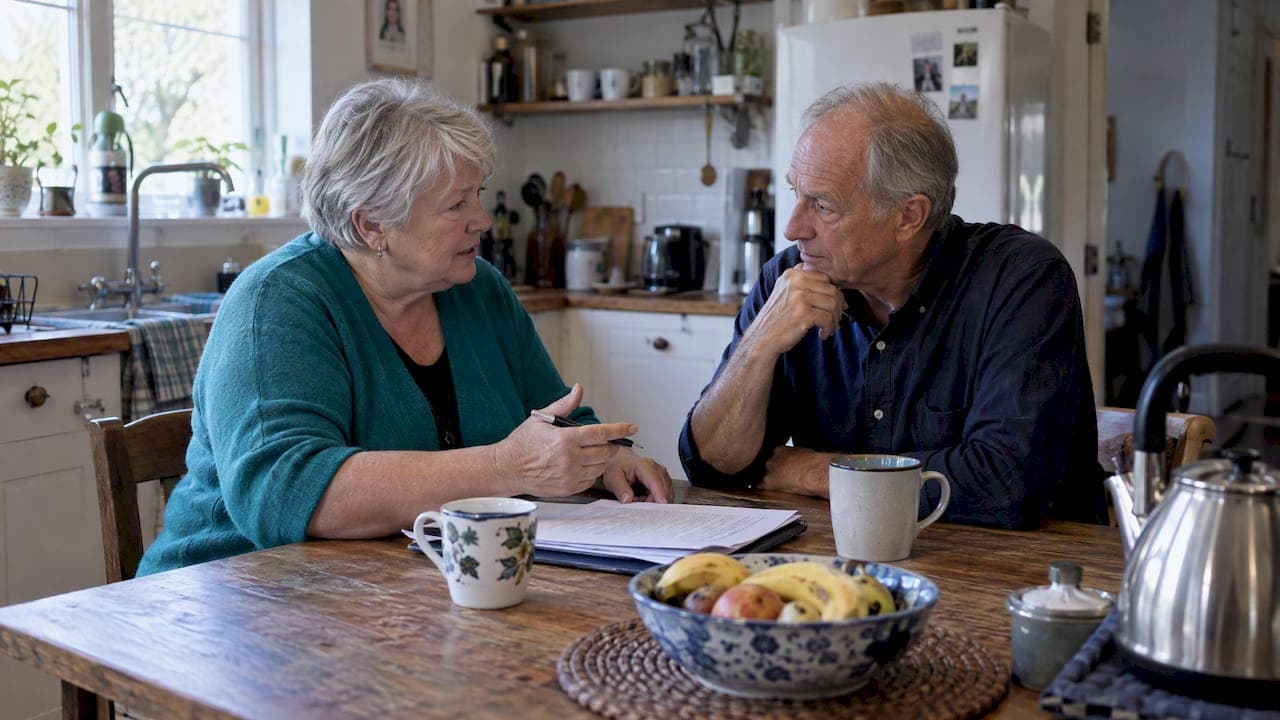
Yes, put it in writing. A senior roommate agreement should name the money, the services, the house rules, how you'll check in with each other, and what happens if someone's needs change. Program managers and senior-living advisors recommend covering these basics to help avoid misunderstandings, and a written agreement can help keep the friendship on track.
TL;DR:
- Spell out rent, due dates, utilities, service hours, guest rules, privacy, notice periods, safety contacts, and what triggers reassessment if health needs change.
- Before accepting rent or paid help, ask a benefits counselor how the arrangement could affect SSI, SNAP, Medicaid, or housing vouchers, since local rules differ.
- HUD identifies about 60 homeshare programs nationwide, and the National Shared Housing Resource Center lists programs that can match homeowners with prospective housemates.
- Make service exchanges measurable by naming tasks and hours, record payments and help hours, and sign dated amendments whenever the terms change.
Table of Contents
- Why a written agreement helps you keep your independence
- What to include in your senior roommate agreement, clause by clause
- Rent, taxes and benefits: what to check first
- How homeshare programs find you a match
- Turning a template into your own agreement
- A note from us on the nerves and the hope
- Get one-on-one help shaping your agreement
- FAQ
- Sources
Why a written agreement helps you keep your independence
Picture the first afternoon with a new housemate. The kettle's on, you're both a little nervous, and neither of you wants to be the one who brings up money. That's exactly why the paper matters. It lets you say the awkward things once, kindly, and then get on with enjoying each other's company.
Geriatric care managers describe a roommate agreement as a relationship tool, not a legal wall between you. Pair it with a weekly or monthly check-in and small annoyances get named before they grow. Clear expectations also make it easier to stay in your own home as your needs change.
Here is what a good agreement gives you:
- Shared costs: rent and utilities split in a way you both understand.
- Companionship: someone to talk to over breakfast, with space for privacy too.
- Help with chores: tasks and hours spelled out, so nobody feels taken for granted.
- Predictable days: quiet hours, guest plans and routines you can count on.
Researchers call homesharing a promising way to ease isolation and housing insecurity for older adults. An agreement can help you work out how to live together day to day.
What to include in your senior roommate agreement, clause by clause
You don't need legal language. You need plain sentences that two people can read and say yes to. Work through these in order:
- Money terms. Write the exact rent, the due date, how it's paid, the deposit and what happens if a payment runs late. Example: "Rent of $___ is due on the 1st by check or transfer. Payments more than five days late trigger a conversation, not a surprise."
- Utilities and shared costs. Say which utilities are included, how you'll split the rest, and who covers small recurring things like groceries or streaming subscriptions.
- Service exchange. If help replaces some rent, list the tasks, set hours per week, and decide how you'll track them and adjust them. "Meal prep and errands on an agreed schedule" is clearer than "helps out."
- House rules. Cover guests, overnight stays, pets, smoking, parking, quiet hours and shared spaces like the kitchen and living room.
- Duration and ending. Choose a fixed term or month to month, set a notice period, and agree on what happens if someone leaves early, including who helps search for a replacement.
- Health and transition triggers. Decide what happens if a roommate's independence declines: who gets told, what temporary supports are used, and when you'll sit down and reassess the whole arrangement. Practitioners suggest specific clauses about communication and changing needs work better than generic templates.
- Access and safety. Note who holds keys, where the emergency contact list lives, where medical information is kept, and what stays confidential.
Some clauses are easy to skip and costly to miss:
- Privacy in bedrooms and personal belongings.
- Who handles repairs and calls the landlord, if there is one.
- How you'll talk when something bothers you, such as a calm sit-down rather than notes on the fridge.
- Any accommodations either of you needs for mobility, hearing or vision.
Pro Tip: Read each clause aloud together. If either of you hesitates, that's the one to talk through before signing.
If you're welcoming someone into your home, a few simple fixes help it feel settled for both of you. Our home safety audit checklist is a good place to start. Some households also choose an optional location device for peace of mind, such as a GPS tracker with alerts, as long as everyone agrees to it openly.
Rent, taxes and benefits: what to check first
This is the part many people skip, and it can matter most. Money a host receives from sharing a home is often counted as taxable income. Policy analysts warn that it can also cost older adults income-based benefits, a pattern known as the "cliff effect."
Programs that may care include SSI, SNAP, Medicaid and housing vouchers. Rules differ by program and by place, so don't guess. Before you accept rent or a paid service exchange:
- Talk with a benefits counselor or case manager and ask them to run a hypothetical, using your real numbers.
- Ask each program directly how it counts shared-housing income.
- Keep written records of every payment and every hour of help.
- Ask whether a service exchange, with less cash changing hands, fits your situation better.
Researchers also note that home sharing programs aim to support economic security and aging in place, so counselors in your area may already know how to structure it.
How homeshare programs find you a match
You don't have to find a housemate alone. HUD describes about 60 homeshare programs across the country that act as go-betweens for people offering a room and people looking for one. Many older adults are "house rich but cash poor," and the same study suggests checking how local benefits could be affected before you formalize any money arrangement.

Homeshare programs can act as intermediaries to match people offering a room with people seeking one. Ask a program what matching and follow-up support it provides.
The National Shared Housing Resource Center keeps listings of programs, which is a good first stop. If nothing exists nearby, ask a case manager, check the bulletin board at a local senior center, or match privately with care: meet more than once, ask for references, and put everything in writing. Our housing options overview and our post on homeshare for solo agers can help you weigh the choices.
Turning a template into your own agreement
A template is a starting point, not a script. Here's a simple way to finish one with confidence:
- Replace every blank with a real number, name or date.
- Make service hours measurable, such as "three hours, Tuesdays and Saturdays."
- Name one primary contact for questions and changes.
- Meet once to read it together, with tea if you like, and note anything that feels off.
- Sign and date it, and add a witness or notary if you'd like extra peace of mind.
- Give each person a copy and store one somewhere easy to find.
At an initial meeting, cover money, chores, guests, quiet hours and the check-in plan. Households can agree on a check-in routine, such as weekly or monthly. Decide who starts the conversation, and write down any change as a dated amendment both of you sign.
Pro Tip: Put the first check-in on the calendar before you sign. A date on the calendar makes it feel routine, not like a complaint.
A note from us on the nerves and the hope
When I picture a first meeting between two housemates, I picture warm mugs, a slightly too-tidy kitchen and that flutter of hope and worry together. That flutter is normal. It means you care how this goes.
An agreement is not red tape. It protects your dignity and your independence, and it lets companionship grow without anyone quietly keeping score. Living with someone can be a lovely part of a full life, and being a solo ager doesn't mean being alone in your own home. If benefits or fit are weighing on you, reach out. We're glad to talk it through.
Get one-on-one help shaping your agreement
If you'd like a private conversation about your own situation, our Solo Aging Clarity Session is a Zoom call for $97, one time. We help you sort out your living-arrangement priorities and think through how a financial arrangement might touch your benefits.
A Solo Aging Clarity Session is a good fit if you:
- Want to adapt an agreement to your own home and habits.
- Have complicated benefit questions and want to talk them through.
- Prefer a calm, private chat to a stack of forms.
Book your Solo Aging Clarity Session here.
FAQ
Can you provide an example of a roommate agreement?
A simple example lists rent and its due date, shared bills, service hours, house rules, a notice period and a plan for check-ins. A sample line might read: "We will check in regularly to talk about what's working."
Where do seniors go if they can't afford assisted living?
Many look at shared housing, independent living or homesharing. HUD notes that homeshare programs focus on affordable housing and reducing isolation. A case manager can help you compare options in your area.
At what age do most people stop having roommates?
There isn't a set age. Many people share a home at any stage of life, and plenty of older adults choose it for company and shared costs. What matters is whether the arrangement fits your needs, not your birthday.
What is the golden rule for roommates?
Talk early and kindly, before small things become big ones. A written agreement and regular check-ins give you a natural time to do that. Respect for each other's space does the rest.
Sources
- Home Sharing | HUD USER
- Homesharing Programs: A Promising Resource to Prevent Homelessness Among Newly Unhoused or Housing Insecure Older Adults in the United States - California State University, Sacramento
- Policy Disincentives to Home Sharing: A Focus on Income and Housing
- Senior Living Roommates: How to Find Your Perfect Match | U.S. News
- Nationalsharedhousing