
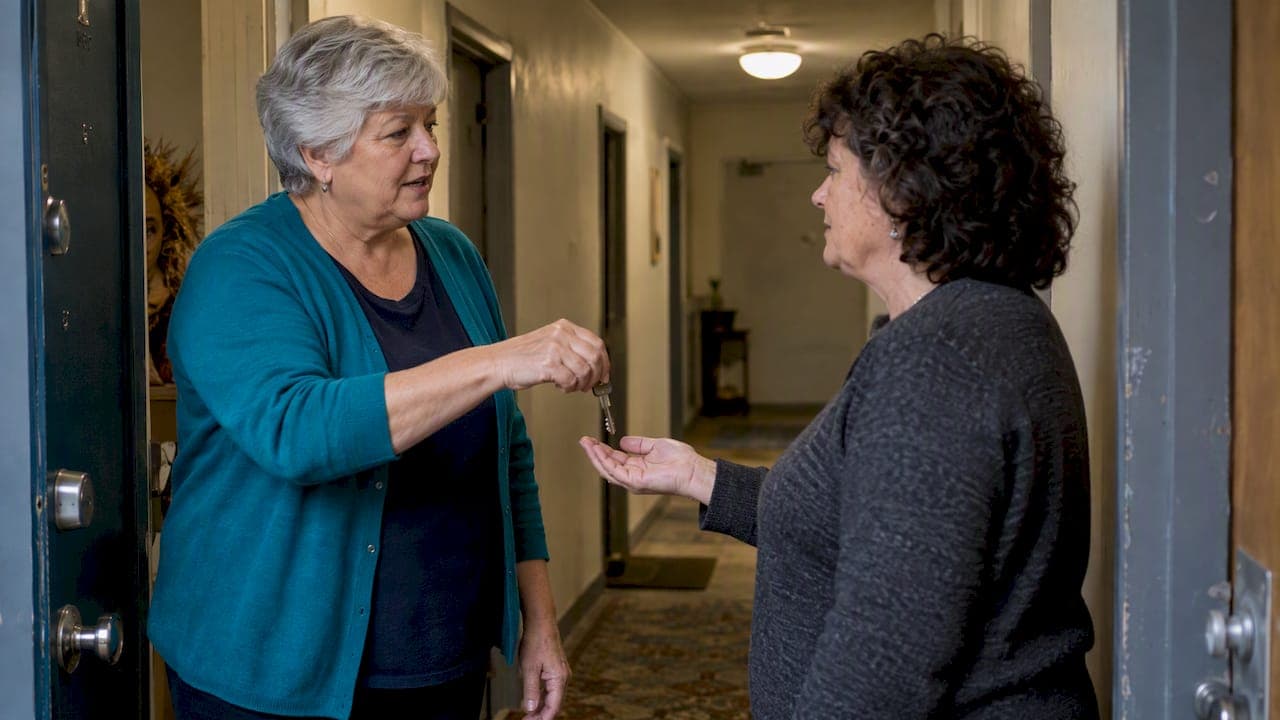
Give one trusted local person a spare key, then back it up with a registered fire department lockbox or a smart lock with a revocable code. That combination keeps your home private day to day, lets help in without a broken door during an emergency, and puts you in control of who can get in and when.
TL;DR:
- Register a lockbox or smart lock in addition to a trusted neighbor to ensure reliable emergency access without risking home security.
- Confirm registration or re-verify your lockbox annually and rotate smart lock codes regularly to maintain security and operational reliability.
- Keep clear records of key holder contacts, medical details, and access rules, storing this information in a quick-to-find location for responders.
- Pair a trusted person with a registered lockbox to cover daily needs and emergency access without over-relying on a single method.
- Regularly test your emergency plan and update contact details to adapt to life changes and technology updates.
Table of Contents
- What a spare-key plan includes: roles, rules, and records
- Practical options and trade-offs: trusted person, lockbox programs, and smart locks
- Decision framework: pick the right spare-key setup for your life
- Security and maintenance: keep the plan current and reduce risk
- Where the spare-key plan fits into your emergency and support plan
- The afternoon I finally asked my neighbor for a favor
- How Aging Solo can help you build the fuller plan
- FAQ
- Sources
What a spare-key plan includes: roles, rules, and records
A spare key isn't just a piece of metal you hand off. It's an agreement, and agreements work better when they're specific. Start by naming three roles: a primary trusted contact who holds the key, a backup contact in case the first person is traveling or unreachable, and the emergency responder access path, whether that's a lockbox or a smart lock code shared with dispatch.

Once the roles are set, write down the rules. When should your key holder actually use the key? Most people land on "only if you don't answer a call or text within a set window" or "only if a neighbor or responder flags a problem." Decide together whether they should call you first, knock, or just let themselves in if something feels wrong.
Then keep a record. Note names, phone numbers, and any medical details a responder would need in a hurry.
- Primary and backup contact names and numbers
- Clear rule for when the key gets used
- Medical notes relevant to an emergency entry
- Where this information is stored and who else can find it
A digital, wallet, and fridge emergency contact plan makes this information easy to find fast.
Practical options and trade-offs: trusted person, lockbox programs, and smart locks
Most solo agers end up choosing between three approaches, and each one trades something for something else.
A trusted person holding a physical key is the simplest option. You know exactly who has access, and there's a real human who can check on you, not just unlock a door. The downside: keys get lost, people move, and a single key holder can become unavailable at the worst moment.
Residential lockbox programs, often called Knox boxes or HomeBox systems, solve the forced-entry problem. Many fire departments run these programs, including Phoenix Fire Department's lockbox program, which stores a house key in a tamper-resistant box mounted outside your home. Responders can open it without breaking a window or door, and registration usually means your local dispatch knows the box exists before anyone needs it. Municipal programs like the Danvers Residential Key Box Program are frequently free or low-cost for seniors, though installation and a signed waiver are usually part of the deal.
Smart locks and keypad codes add flexibility. You can issue a code to a caregiver, revoke it the moment it's no longer needed, and check entry logs remotely. The trade-off is technical: a dead battery or a power outage can leave you locked out if you haven't planned a backup.
- Trusted person: high control, but a single point of failure
- Lockbox: no forced entry, needs registration and upkeep
- Smart lock: flexible and revocable, but battery and power dependent
Pro Tip: Pair methods instead of picking just one. A trusted neighbor with a key plus a registered lockbox for responders covers both daily life and emergencies.
Decision framework: pick the right spare-key setup for your life
Choosing a setup doesn't need to be complicated. Walk through these steps once, and revisit them yearly.
- Assess your situation. How quickly would someone need to reach you in an emergency? How much do you value privacy versus convenience? Are you comfortable with an app and a code, or would a physical key feel simpler? Check whether your local fire department runs a lockbox program at all.
- Ask your potential key holder three questions. Are they willing to check in on a regular basis? Are they usually around, or do they travel often? How will they keep the key secure at their own home?
- Act on what you learn. Register a lockbox if one's available, or install a smart lock and set a revocable code. Write the plan down, share it with your backup contact, and put a reminder on your calendar to review it once a year.
This isn't a one-time decision. Life changes, key holders move, and technology ages. A short annual check keeps the plan matching your actual life.
Security and maintenance: keep the plan current and reduce risk
A spare-key plan only works if it stays current, and a surprising number of people set one up and then forget it exists.
Skip the predictable hiding spots. Under the mat, inside a fake rock, above the door frame: these are the first places anyone looking for a way in will check, and AARP's home security guidance specifically recommends upgrading to keypad or smart locks instead of relying on hidden keys.
If you've gone the lockbox route, confirm your registration is still active with dispatch. Some fire departments require annual re-verification to keep a box's code live in their systems, so don't assume a one-time sign-up covers you indefinitely. If you've gone the smart lock route, rotate codes periodically and test them with your key holder rather than assuming the technology still works.
- Avoid hidden spare keys in predictable outdoor spots
- Re-register or re-verify your lockbox annually
- Test smart lock codes with your key holder, not just in theory
- Keep a short, waterproof summary of the plan where responders can find it
Pro Tip: Store a laminated card with your key holder's name and number near your front door. It takes responders seconds to read and saves precious time.
Where the spare-key plan fits into your emergency and support plan
A spare key means little on its own. It matters because of what it connects to: your medications, your emergency kit, and the people who'd step in if you needed them.
Attach your key holder's information to your emergency kit and your medical list, so anyone who enters knows what you take and when. If you have a pet or service animal, include feeding and care notes too. Ready recommends exactly this: a support network where at least one trusted person has a key and knows where your supplies are kept.
Once a year, run a short live test. Call your key holder, walk through what they'd do, and confirm the lockbox or code still works. Decide ahead of time when a municipal lockbox makes more sense than calling a neighbor, and notify dispatch if your local program requires it.
- Attach contact and medical info to your emergency kit
- Include pet or service animal care notes
- Test the plan once a year with your actual key holder
For more on tying this together, our guide to living alone emergency planning walks through the fuller picture.
The afternoon I finally asked my neighbor for a favor
I brought over a plate of cookies, which felt a little silly, but it broke the ice. We talked about her garden for a while before I got to the real reason: would she hold a spare key?
She said yes before I even finished the sentence. We agreed she'd call first if she ever used it, only in a real emergency, and we'd check in with each other every few months just to keep it current.
Walking home, I didn't feel more fragile. I felt more connected, like I'd added a thread to a web that was already there, just waiting to be noticed.
— Mike
How Aging Solo can help you build the fuller plan
A spare key is one piece of a bigger picture, and figuring out the rest on your own can feel like a lot to carry alone. That's where a Solo Aging Clarity Session comes in: a focused, personal conversation about your specific situation, where we help you choose between a lockbox, a smart lock, or a trusted neighbor, and fold that decision into a broader plan that covers your health, your home, and your people.
Before booking, try a couple of our free tools:
- My Plan Tracker, for keeping key holder details and emergency notes in one place
- The 30-Day Connection Plan, for building the kind of relationships a spare-key arrangement depends on
If you're ready for guided support, book a Solo Aging Clarity Session and let's map out a plan that fits your actual life.
FAQ
Who should hold a spare key when you live alone?
A trusted local person you see or talk to regularly, such as a neighbor, friend, or nearby family member, makes the most practical primary key holder. Back that up with a backup contact and a registered emergency lockbox or smart lock code so access never depends on just one person.
How does a fire department lockbox program work?
A small, tamper-resistant box is mounted outside your home and holds a spare key, letting emergency responders enter without breaking a door, as programs like Phoenix Fire Department's lockbox program describe. Registration with your local fire department or dispatch is usually required, and some programs, like Danvers' Residential Key Box Program, offer free installation for seniors.
Are smart locks a good alternative to a physical spare key?
Smart locks and keypad codes let you grant and revoke access remotely, which gives you more control than a physical key that could be lost or copied. Plan for failure points like a dead battery or power outage so you're not locked out when the technology fails.
How often should I update my spare-key plan?
Review and test your plan once a year, including confirming your lockbox registration is still active and rotating any smart lock codes. The NIA's guidance on services for older adults living at home also recommends keeping emergency contacts current as part of this same checkup.
What does a Solo Aging Clarity Session cost?
A Solo Aging Clarity Session is a one-time $97 session held over Zoom, booked directly through Aging Solo.
Sources
- Ready
- Phoenix Fire Department - Lockbox Program
- Danvers Residential Key Box Program
- Services for older adults who want to live at home | NIA