
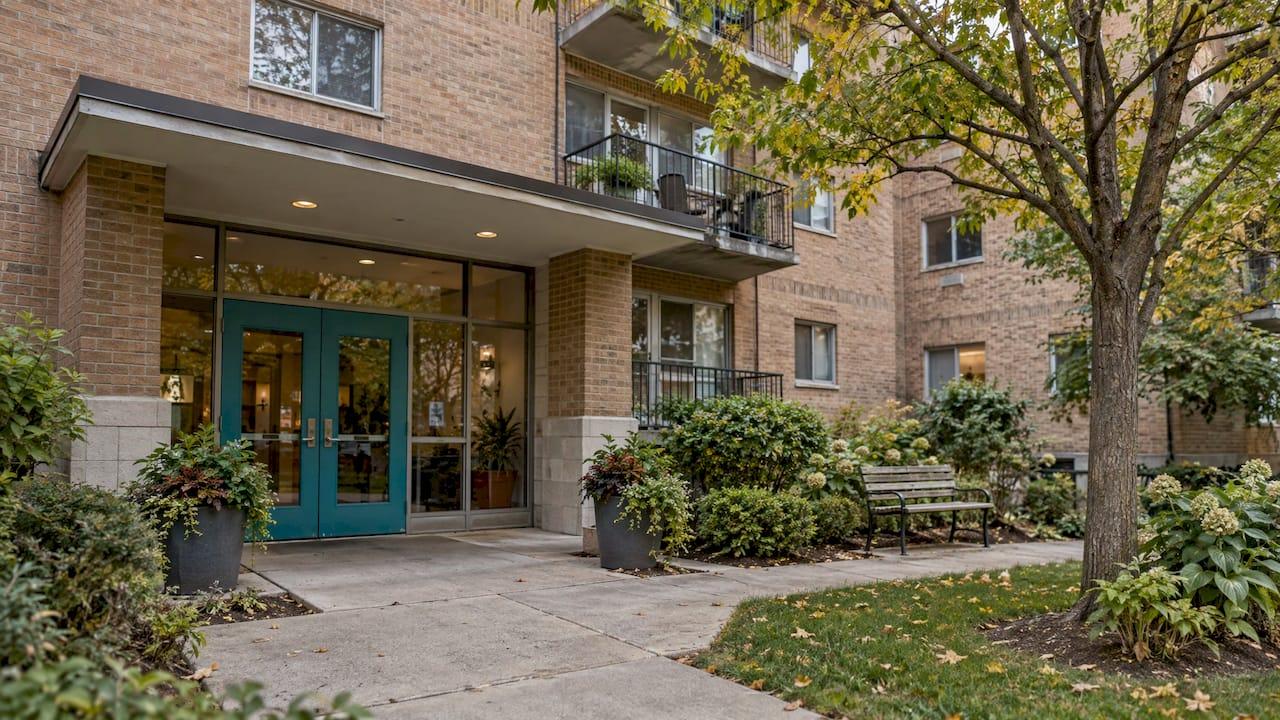
Picture a Tuesday evening in a community room. Someone has left a plate of lemon bars by the coffee urn, and a retired schoolteacher is arguing, cheerfully, about whether the lobby needs new chairs. Nobody is running the meeting for them. The people in the room own the building together, and they are the ones deciding. If you live alone, that scene can sound like a lot, or it can sound like exactly what has been missing.
Senior cooperative housing is a building or community where residents 55 or older (sometimes 62 or older) buy a membership share instead of a deed or a lease, pay a monthly charge, and own and run the place together. For a solo ager, the draw is less about the real estate than about belonging: neighbors who know your name, a say in how home works, and a place that is yours without being isolated.
TL;DR
- A senior housing co-op is resident-owned. You buy a share, pay a monthly charge, and take part in running the building.
- Age rules are federal: communities generally qualify as 55+ or 62+, and a 55+ community must have at least one occupant 55 or older in 80 percent of occupied units.
- Your monthly charge is your share of the building's budget, which can include taxes, a mortgage, repairs and maintenance.
- Co-ops give you voice and neighbors, and they ask for some time in return. Think about how much participation feels good to you.
- Co-ops are one of several ways to live in community. Cohousing and home sharing feel different, and it helps to know which one fits your life.
Table of Contents
- What a senior co-op feels like from the inside
- How it differs from cohousing, home sharing and other options
- Who can live there: the age rules in plain English
- What it costs, and what the money is actually for
- Why solo agers are drawn to co-ops
- What it asks of you
- Thinking ahead without letting it run the show
- Finding a co-op and getting to know it
- A worked example: two ways to picture it
- Talking it through with us
- FAQ
- Sources
What a senior co-op feels like from the inside
Most people picture housing as one of two things: you own your place, or you rent it. A cooperative sits in between. You do not own your apartment outright. You own a share in the nonprofit or resident-run corporation that owns the building, and that share comes with the right to live in your unit.
In practical terms, a county planning guide describes the model this way: residents buy shares, a bit like a down payment or an up-front rental payment, then keep making monthly equity payments that are returned when the member leaves. Members jointly own the cooperative and make policy decisions together.
That last part is what changes daily life. You are not a tenant waiting for a landlord to answer. You are a member, and members sit on committees, vote on budgets, welcome new neighbors and sometimes plant the flower beds.

For many solo agers this is the quiet appeal. Living alone and feeling alone are different things, and a building where people share ownership gives you built-in reasons to cross paths. A committee meeting is a perfectly good excuse to sit across from someone and talk.
How it differs from cohousing, home sharing and other options
The terms get mixed up, so here is the plain version, following the American Society on Aging's explanation.
- Senior housing cooperative: members buy shares in the cooperative that owns the building. The ASA notes that the first nonprofit senior housing cooperative opened in 1978 in Minnesota.
- Senior cohousing: you rent or buy a private home in a neighborhood designed around shared spaces, including a common house, to encourage social contact and mutual support.
- Home sharing: two or more unrelated people live together in the same house.
Each one answers a different wish. A co-op suits you if you like the idea of owning together with a larger group, in a building with its own management structure. Cohousing suits you if you want a closer, more hands-on neighborhood. Home sharing suits you if you want a housemate and perhaps a little income. We have written about each: co-housing and childless aging, homeshare for solo agers and what a senior roommate agreement looks like. Our housing options page puts the whole range side by side.
Who can live there: the age rules in plain English
A senior co-op is age-restricted. That is legal because the Fair Housing Act has an exemption for "housing for older persons." The federal rules in 24 CFR Part 100, Subpart E set two main paths:
- 55 or older: at least 80 percent of occupied units must have at least one person who is 55 or older.
- 62 or older: the housing is intended for, and solely occupied by, people 62 or older.
What does that mean for you? If you are 58 and living alone, a 55+ co-op is open to you. A 62+ co-op would wait a few years. Because the 55+ rule is about households, a younger partner or a visiting adult child would not necessarily be a problem, but each co-op writes its own bylaws and occupancy rules, so ask for them in writing.
What it costs, and what the money is actually for
Here is where it helps to slow down. Two kinds of money are involved.
The share. This is your up-front buy-in. It is not a fee you lose. Part of it works as equity in your home. Share prices vary widely by region and by community, so look at the specific co-op's current price sheet rather than a national average.
The monthly charge. Under the occupancy agreement at one senior cooperative, each member pays only a pro-rata share of the budgeted costs, which may include taxes, mortgage payments, repairs and maintenance. If utilities are not part of the co-op budget, members pay them directly. That detail matters when you compare two places, because one co-op's monthly charge may include heat and another's may not.

The same co-op notes that member-owners have no personal liability, which is a reassuring piece of structure for someone managing money on one income.
If you want to think the money through before you commit, our financial safety checklist for adults 50+ living alone is a gentle place to start, and it is free.
Why solo agers are drawn to co-ops
Let's be honest about what many people living alone are really weighing. Home is quiet, and sometimes the quiet feels heavier than expected. A co-op does not fix that for you, but it does change the odds.
Neighbors with a shared stake. People who own a building together have a reason to know each other. It is a different kind of connection from the one you get when you simply live near people.
A voice. The planning guide linked above says members make joint policy decisions. For someone who has spent years making every decision alone, being part of a group that decides together can feel surprisingly good, and sometimes a relief, because you are no longer carrying the whole house on your own shoulders.
Community that welcomes you as you are. Belonging matters more when a place is open to who you are. Some people look for inclusive community spaces where they can relax and be themselves, and it is fair to ask any co-op how it welcomes people of every background and relationship history.
Shared upkeep. Repairs and maintenance are paid through the budget, so you are not hunting for a contractor every time something breaks.
If building a circle is your real goal, you might also like our piece on social connection for seniors, and our look at the benefits of solo ager community groups.
What it asks of you
Co-op living is a trade. One housing guide for cooperatives frames it this way: more control and a vote compared with renting also means more responsibility. In daily life that looks like attending some meetings, reading a budget, and being willing to work things out with neighbors.
For some people that is the best part. For others, it is a question worth asking yourself honestly: do you want a community that needs a little of your time? If you answer yes with a smile, a co-op may suit you well. If you picture yourself wanting the lightest touch possible, you might feel more at home in a different setup, and that is a fine answer too.
Thinking ahead without letting it run the show
It is natural to wonder what happens if your health or mobility changes. It is worth asking, once, and then getting back to enjoying your life.
A co-op is a housing model, not a care provider. Researchers studying senior cohousing in the Netherlands found that communities may not automatically cope with increasing care needs, and that some people move to a higher level of care when dependency becomes severe. That study looked at cohousing, not co-ops, but the lesson carries over: a good community is a wonderful foundation, and it works best alongside your own plan for support.
So ask each co-op you visit a few friendly questions:
- Can I bring in home care or a helper if I ever want one?
- Are there units on the ground floor or with elevator access?
- How do neighbors look out for one another, informally or through a committee?
- What happens to my share if I move on?
Those questions are about keeping your options open, not about worry. We cover the support side in our guide to senior support and in independent aging for adults 50+.
Finding a co-op and getting to know it
Senior co-ops are not on every corner. They cluster in certain states and regions, and many are small. A few ways to start looking:
- Search by region and age rule. Look for 55+ or 62+ resident-owned communities near you, and include the words "housing cooperative" so you do not land on condo listings.
- Ask your local area agency on aging. These public agencies often know which senior housing options exist in your county.
- Check your state or regional cooperative housing association. Many keep lists of member communities.
Once you find a few, go visit. Come on a day when something is happening, if you can. Eat in the common room, if there is one. Notice whether people say hello to each other in the hallway.
Then ask for the paperwork: the bylaws, the occupancy agreement, the most recent budget, the current share price, what the monthly charge covers and how a share is sold when someone leaves. Reading it slowly, perhaps with a trusted friend, is time well spent. A real estate attorney in your state can review the documents with you before you sign, and that is a sensible step for any purchase of this size.
A worked example: two ways to picture it
Imagine two neighbors, both 66 and living alone.
Ruth has a house she loves but a yard she is tired of. She does not want a roommate. She wants to be around people on her own terms. She visits a 55+ co-op, reads the budget, and notices that the monthly charge includes the building's taxes and maintenance. She likes that the lobby has a coffee hour and the garden has a waiting list. For her, the share is a way to trade yard work for belonging.
Denise rents a small apartment and wants more say in where she lives. She is drawn to the idea of owning with others but does not want to attend many meetings. She asks how much participation is expected and finds out most members join one committee. That feels right to her.
Neither one is making a safe choice or a risky choice. Each is choosing the kind of everyday life she wants to wake up in.
Our view: home is a place to be known
When people ask us about housing, they usually begin with square footage and end with something else: Will I know anyone? Will someone notice if I'm gone for a weekend, and will I want them to? We think those are the real questions.
We started Aging Solo Today because a solo life can be a complete life, full of friendship, curiosity and ordinary joy. A co-op can be a lovely setting for that life, and so can many other homes. What matters is that you choose on purpose, with your eyes open, and with room to change your mind as your needs change.
That is why we like to talk through housing before the paperwork starts. A clear conversation about what you want your days to feel like makes every brochure easier to read.
Mike Crawford
Talking it through with us
If you are weighing a co-op against staying put, cohousing or home sharing, it can help to say it all out loud to someone who understands solo aging. The Solo Aging Clarity Session is a 45-minute Zoom conversation for personalized solo ager planning, offered at $97 one time. You bring the questions, and you leave with a clearer sense of what you want your next chapter to look like.

You can book a Solo Aging Clarity Session when you are ready. If you would rather start on your own, Solo Aging 101 is a clear starting point, and our book goes deeper.
FAQ
Is a senior housing co-op the same as a condo?
No. In a condo you own your unit outright. In a co-op you buy a share in the cooperative that owns the building, and that share gives you the right to live in your unit. Members jointly own the cooperative and make policy decisions together.
Can I live in a senior co-op if I am 55?
Often yes, if the community is a 55+ community. Federal rules require at least 80 percent of occupied units to have someone 55 or older, while 62+ communities are intended for and occupied only by people 62 or older. Check each co-op's own rules.
What does the monthly charge cover?
It is your pro-rata share of the co-op's budget, which may include taxes, mortgage payments, repairs and maintenance. Utilities are included in some co-ops and paid directly by members in others, so ask what is in the budget.
How is a co-op different from cohousing?
In a co-op, members buy shares in the cooperative that owns the building. In cohousing, you rent or buy a private home in a neighborhood built around shared spaces like a common house, designed to promote social contact and mutual support.
What if I want a quieter, more private life in a co-op?
That is welcome in most communities. Co-ops ask for some participation, but how much varies. Ask what members are expected to do, and visit to see whether the pace feels like yours.
Sources
- Housing: Aging-friendly Housing Planning Strategies, Chester County Planning Commission
- Aging Better Together, Intentionally, ASA Generations
- 24 CFR Part 100 Subpart E, Housing for Older Persons, eCFR
- Pullman Place FAQs
- Co-op Housing Guide, CooperativesFirst
- Senior Co-Housing in the Netherlands: Benefits and Challenges